



















• Follow Us On :
GERMANY MEDICAL PG ADMISSIONS

Build Your Medical Career In Germany with World-Class PG Training

Achieve your dream of pursuing Medical PG in Germany through structured guidance, German language training, licensing support, and hospital placement assistance. Start your journey toward an internationally recognized medical career.

Start Your Medical PG Journey

Fill out the form below and our expert counsellors will contact you to discuss eligibility, language training, licensing, and the complete Medical PG pathway in Germany.

MASTERS IN GERMANY

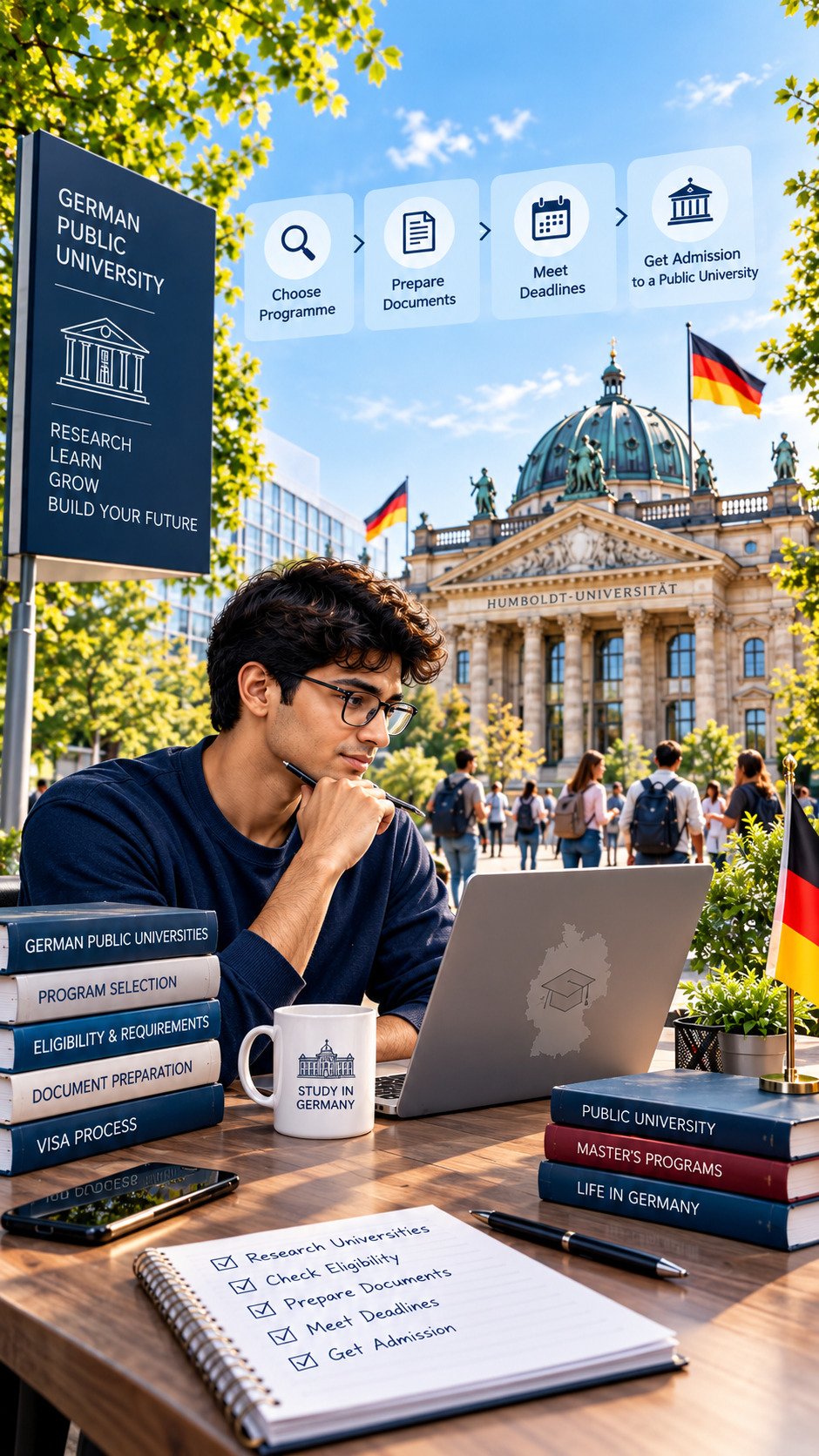
Study Masters in Germany – In a Public University

Seize Your Success if :
  • Are you an undergraduate who envisions himself with a strong career?
  • Are you dedicated and hard-working, and have faith in your capabilities?

MissionGermany handles applications exclusively for German public universities with a wide range of masters programs that are absolutely free.

Contact Form Main

Applications open for Winter 2027

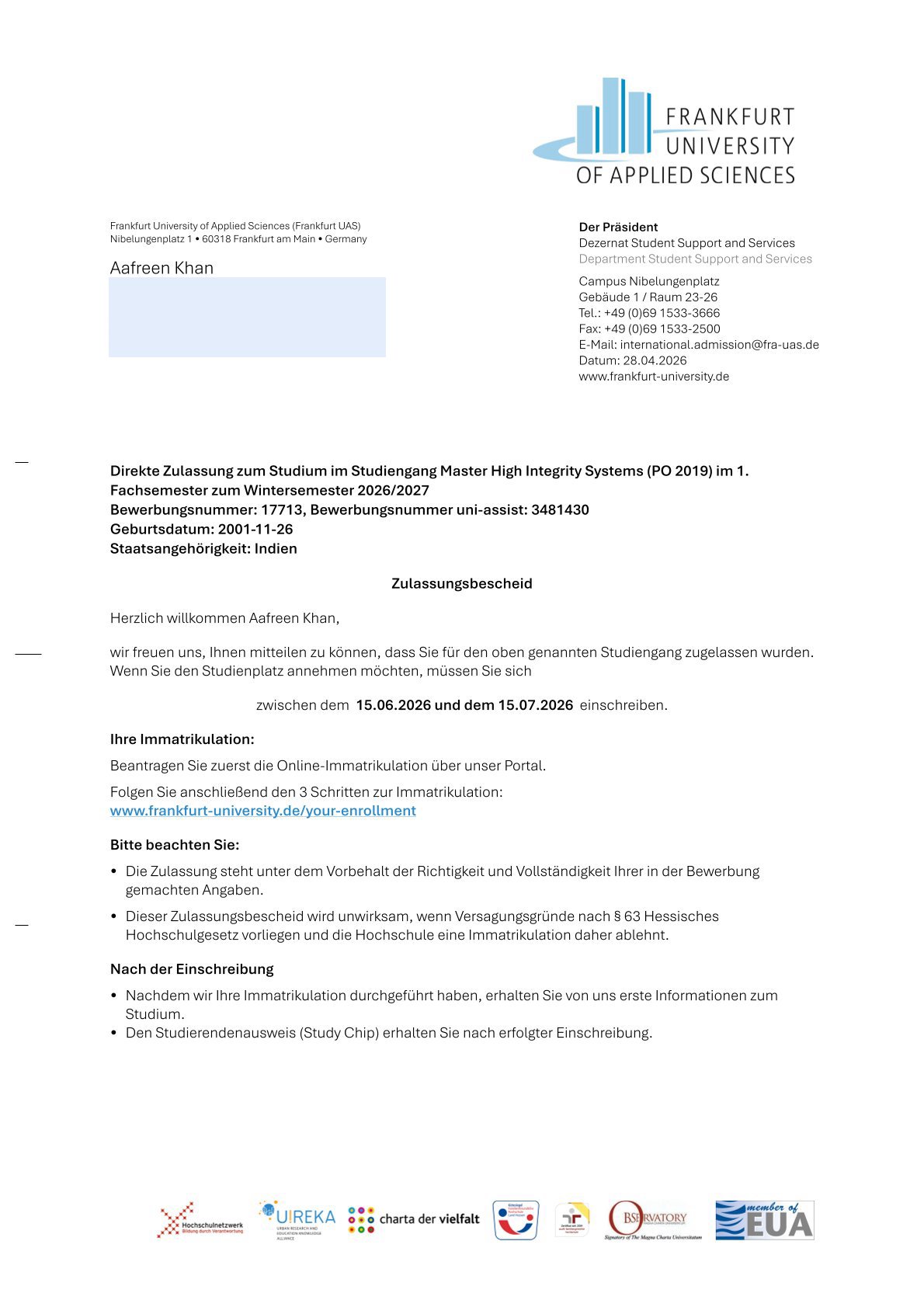
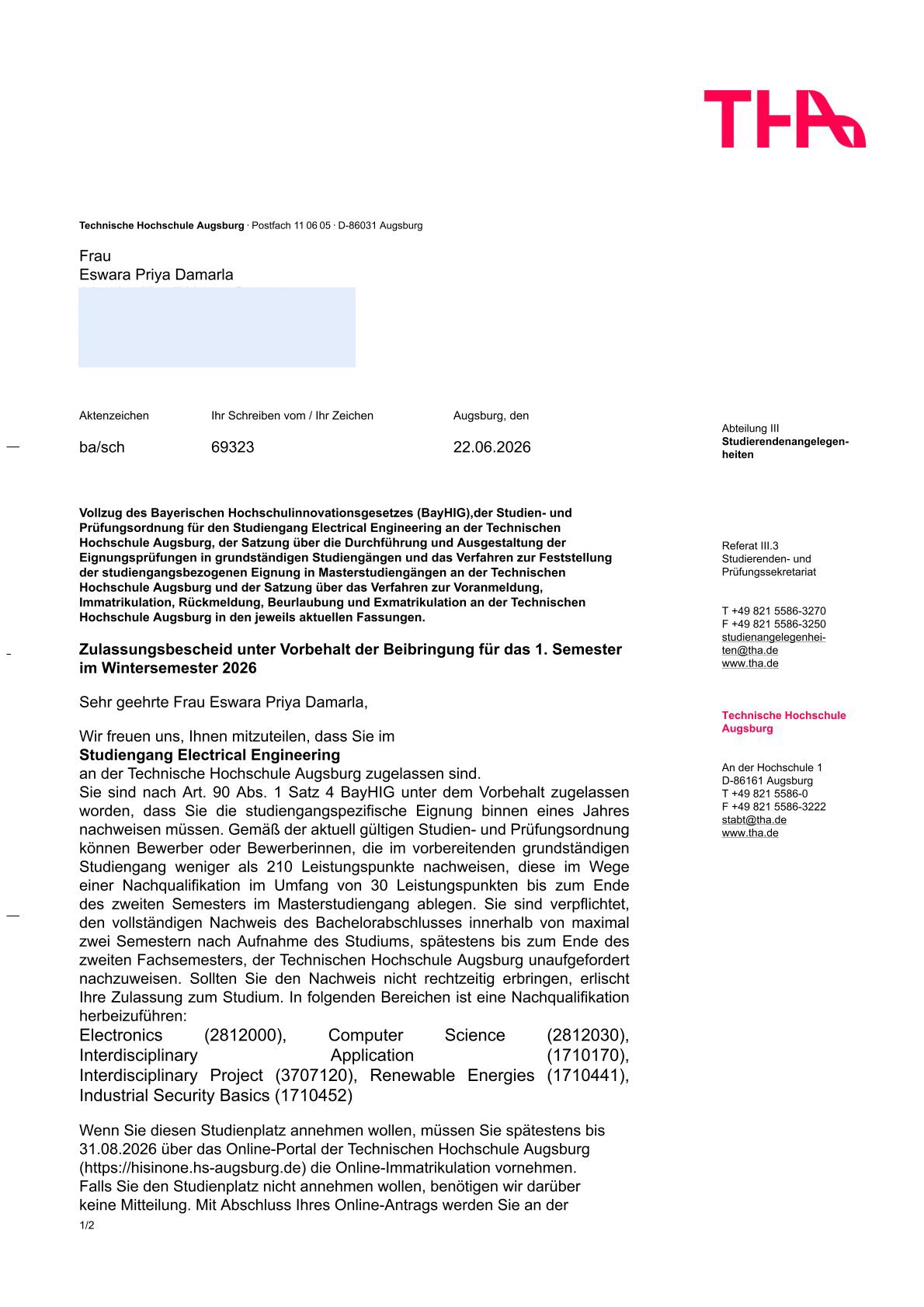
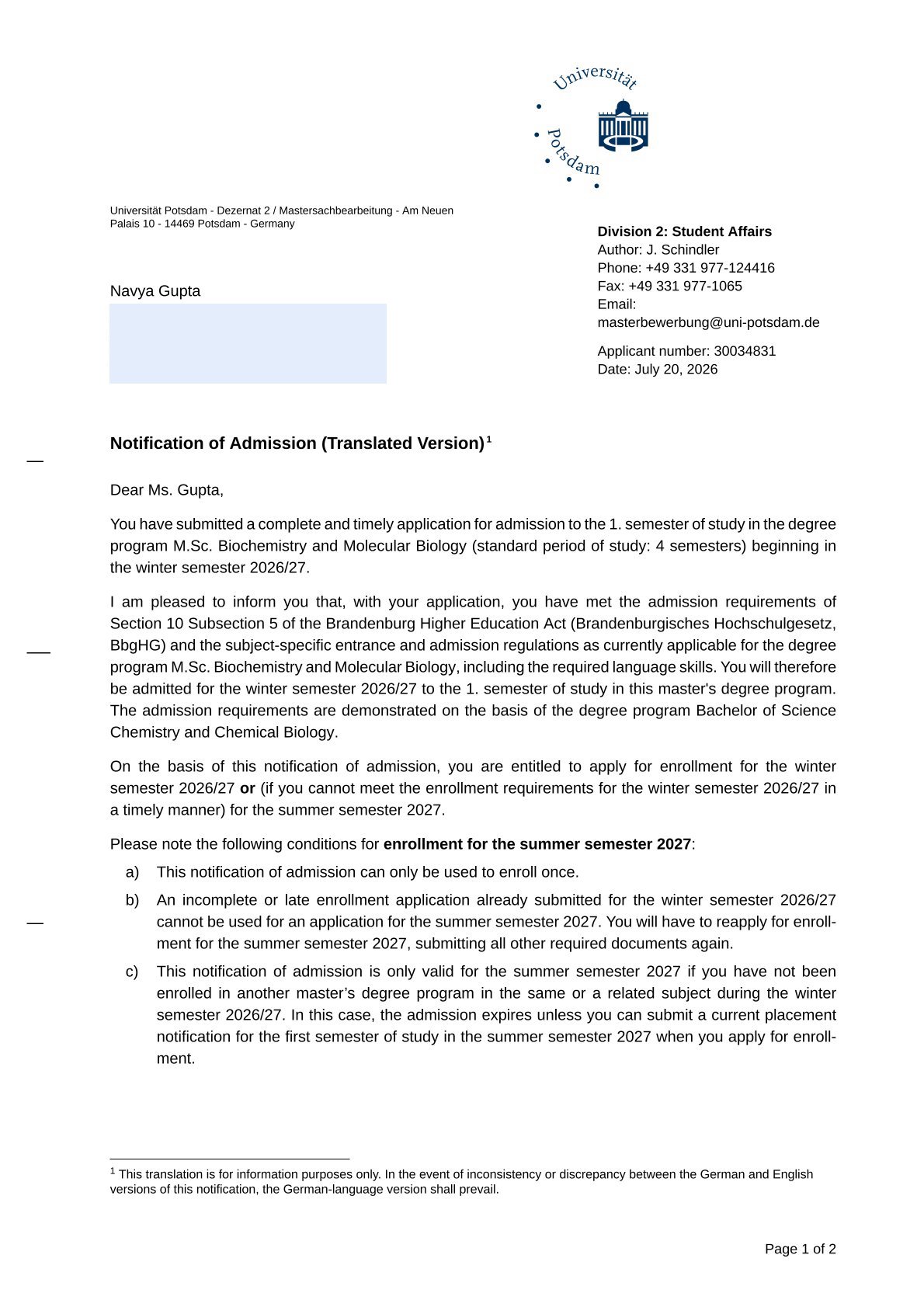
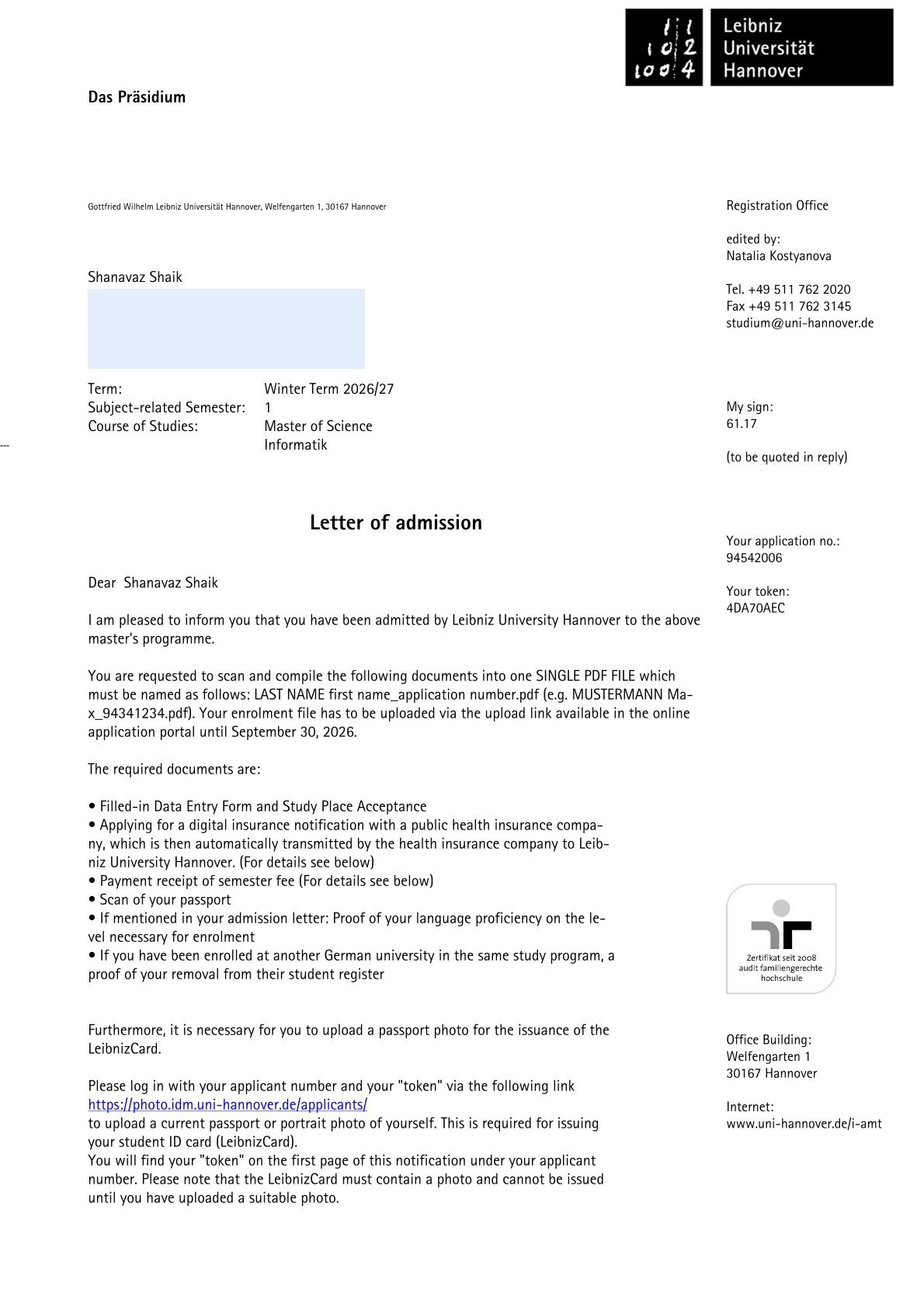
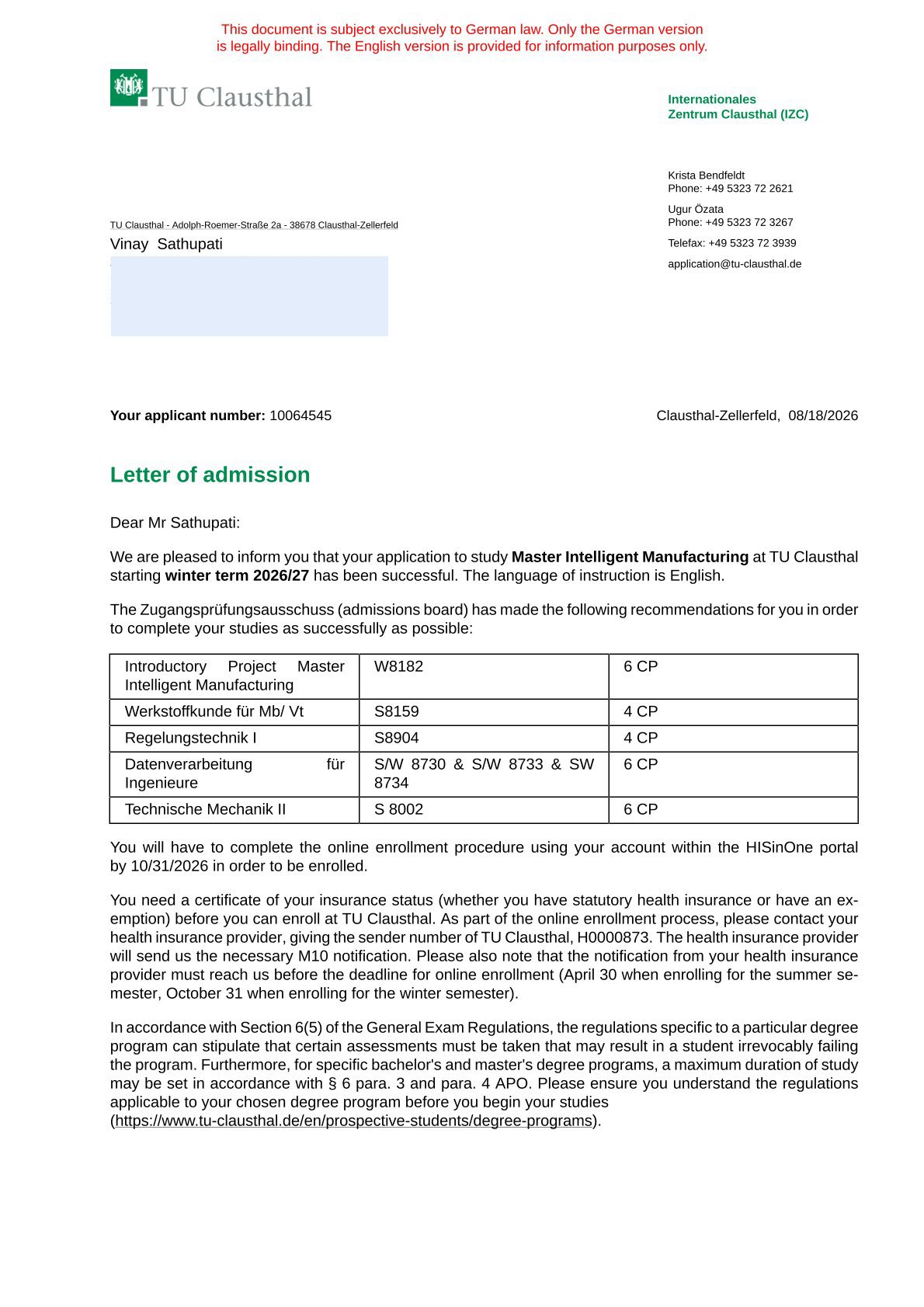
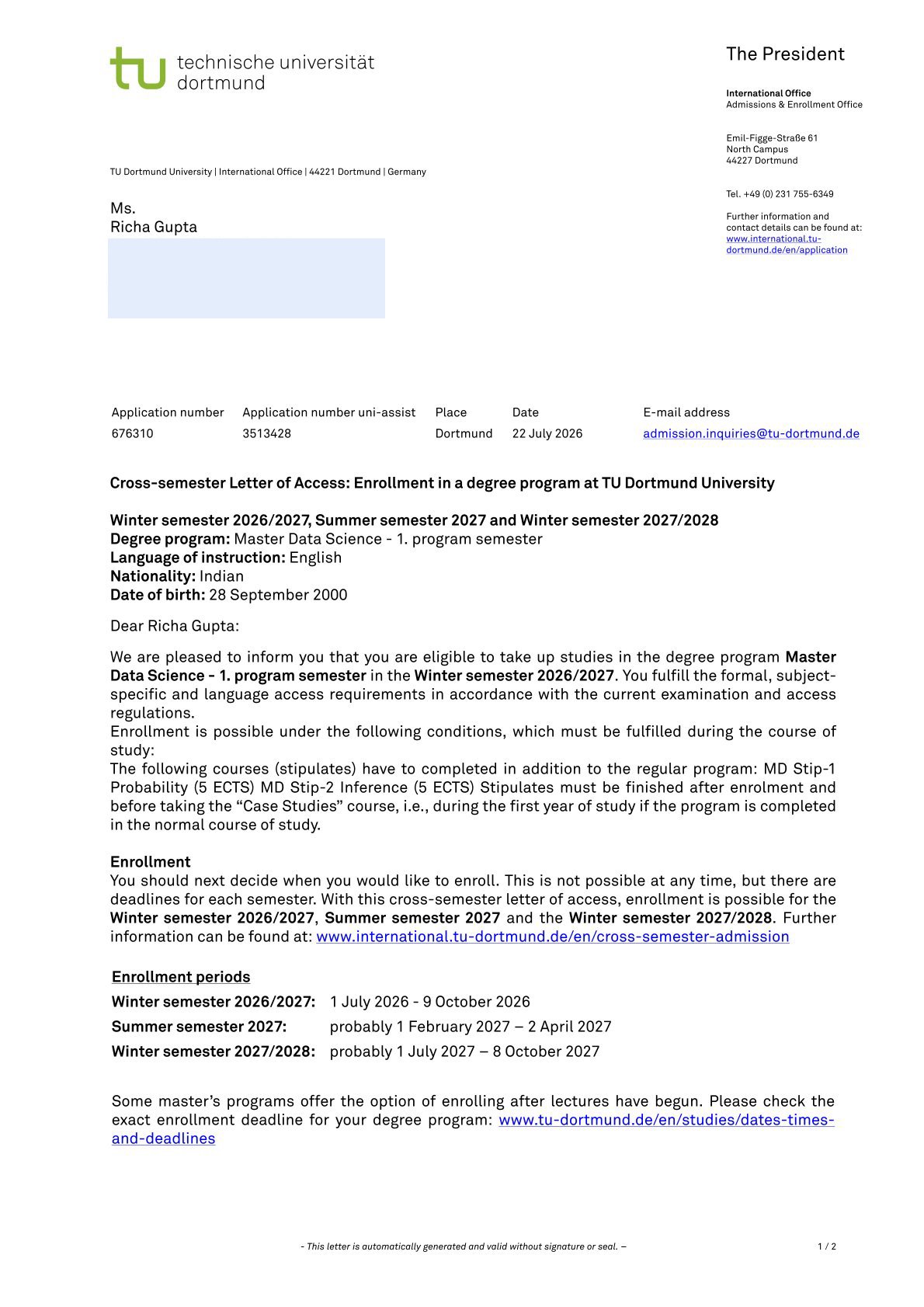
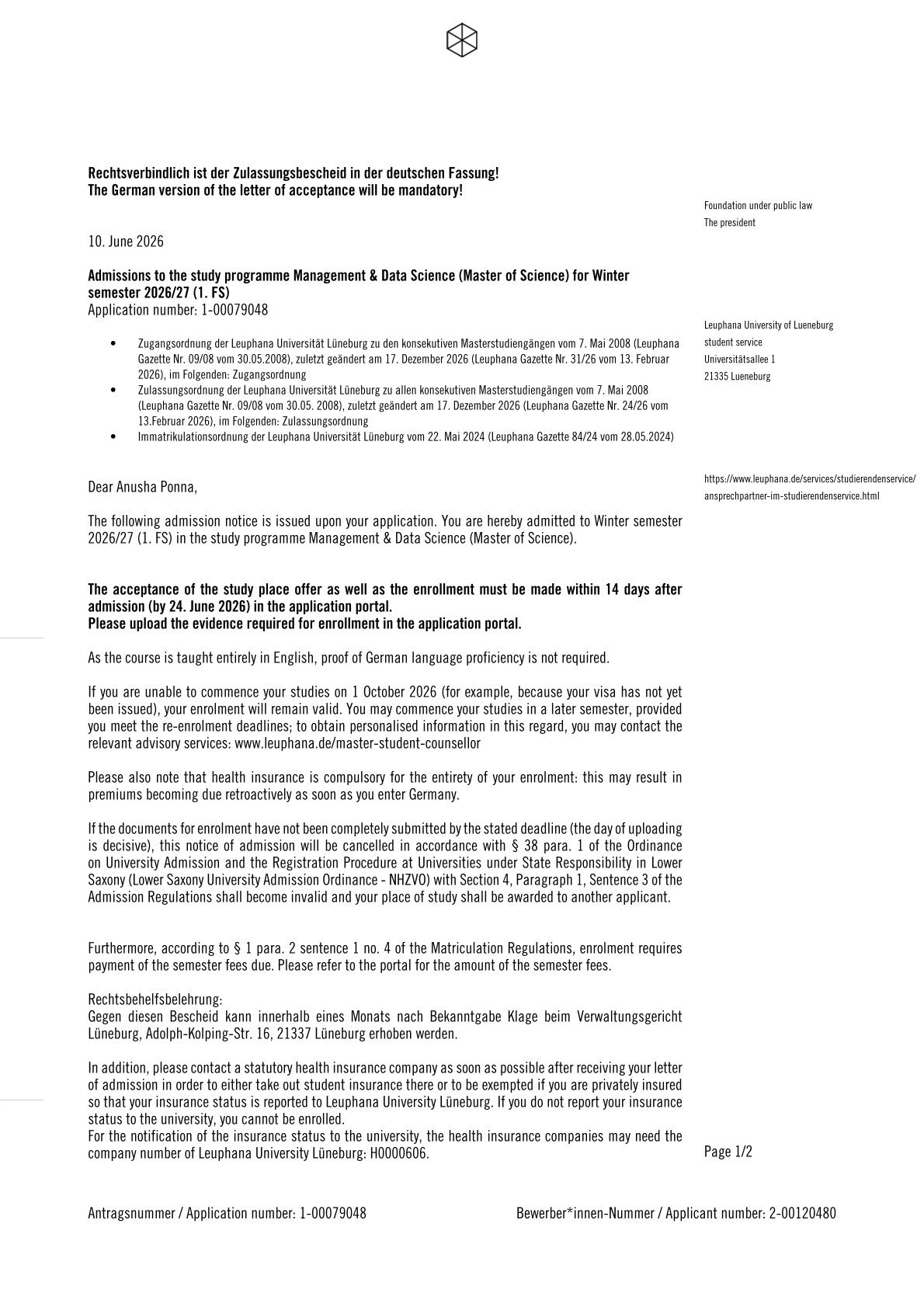
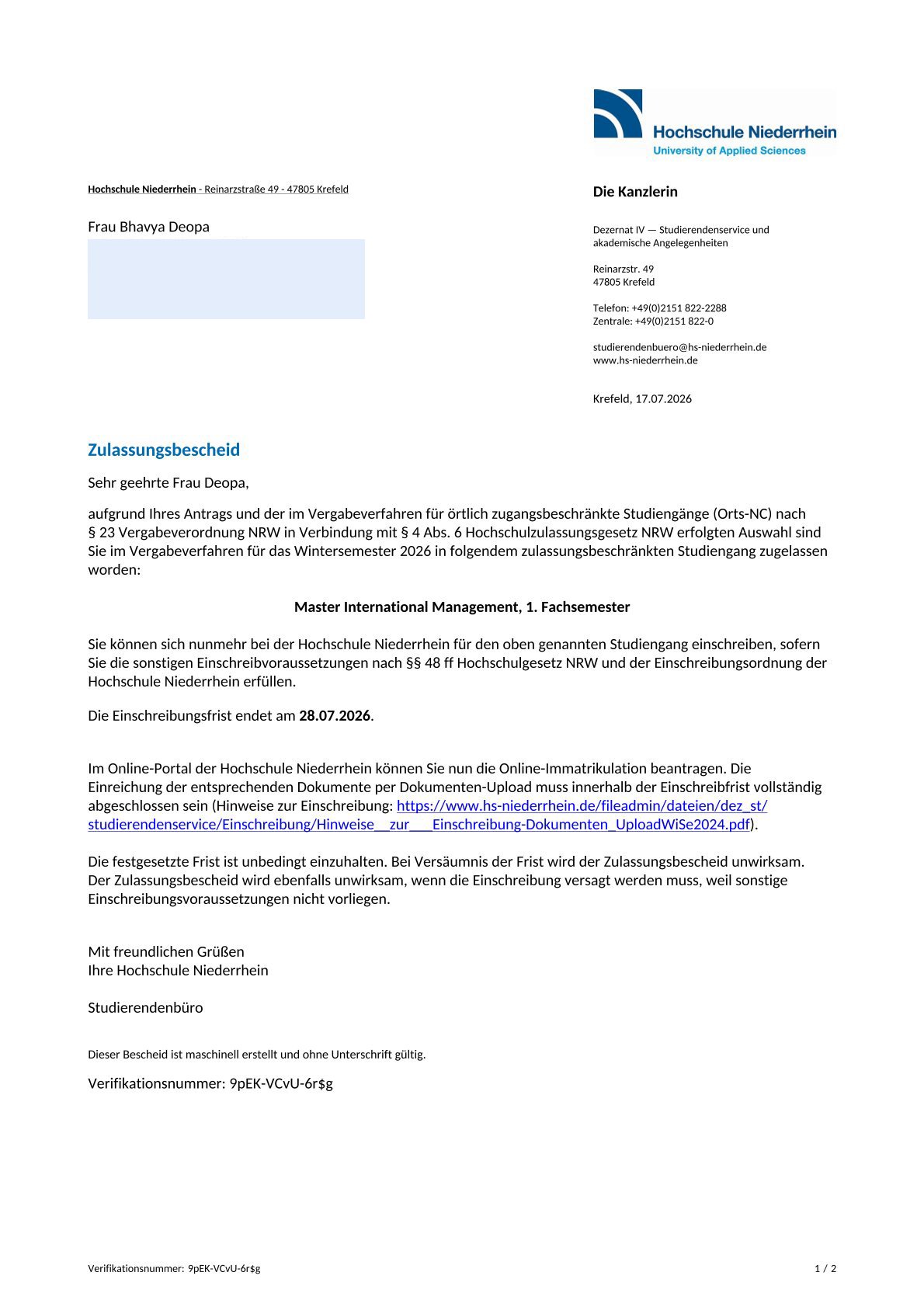
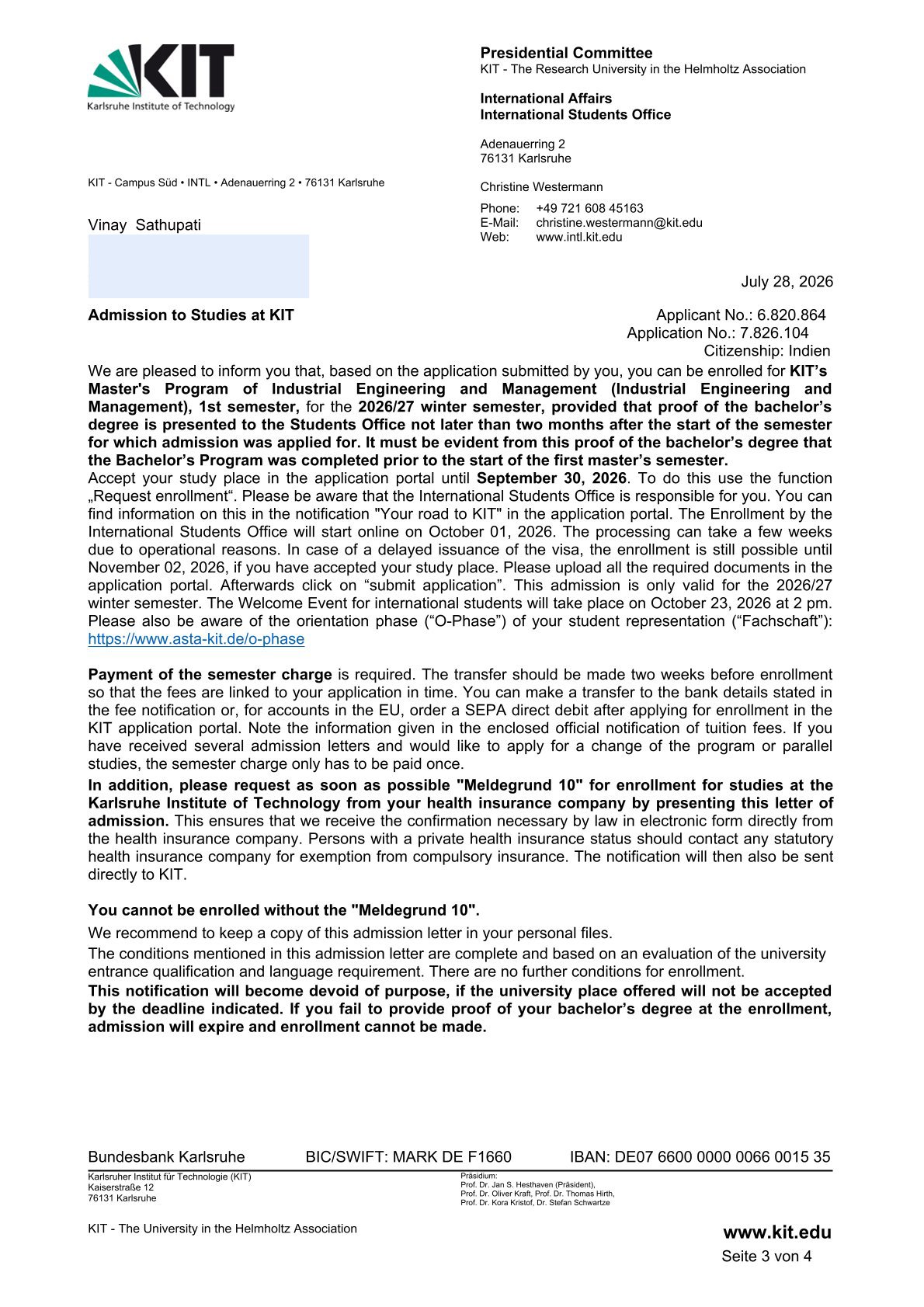
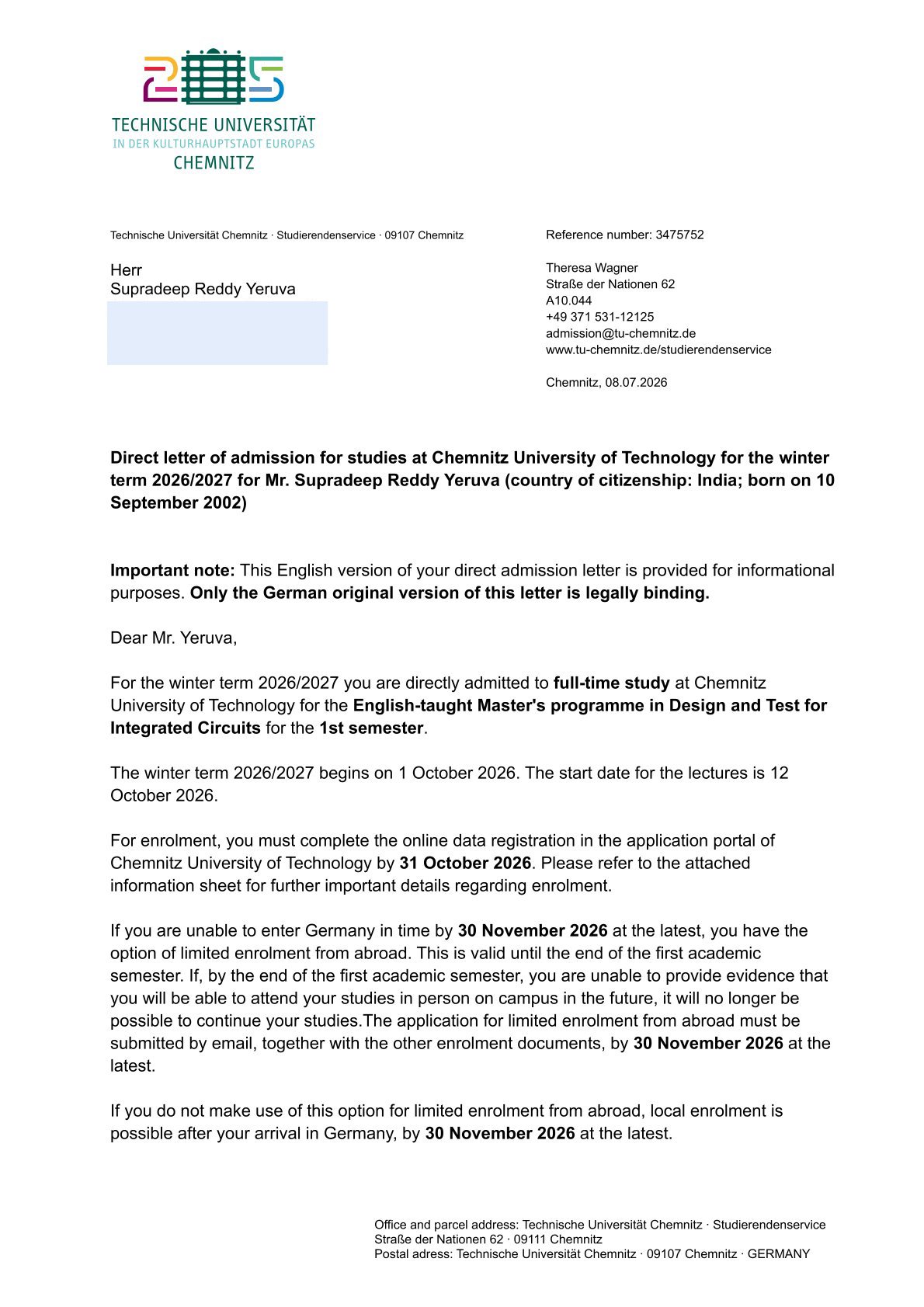
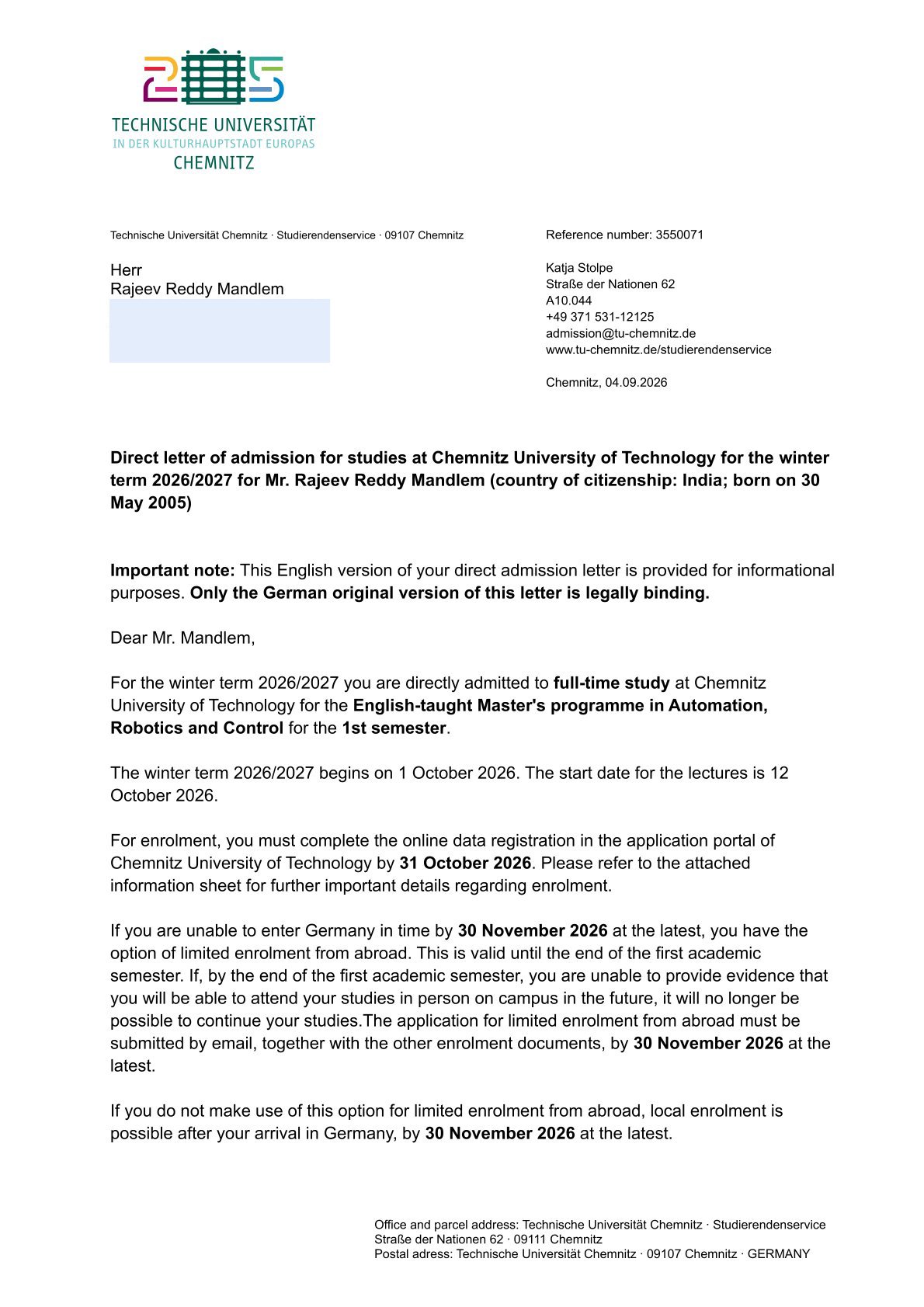
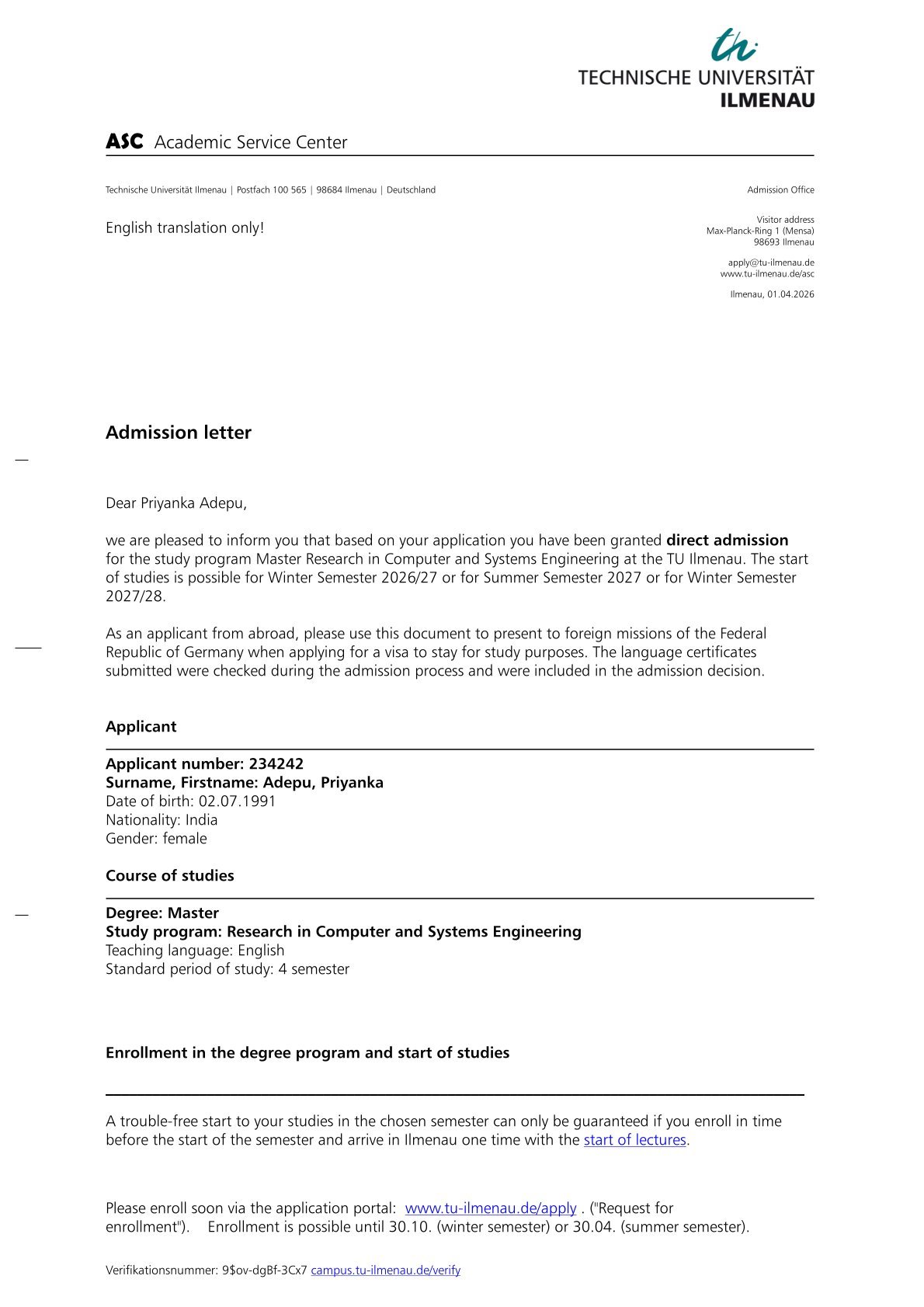
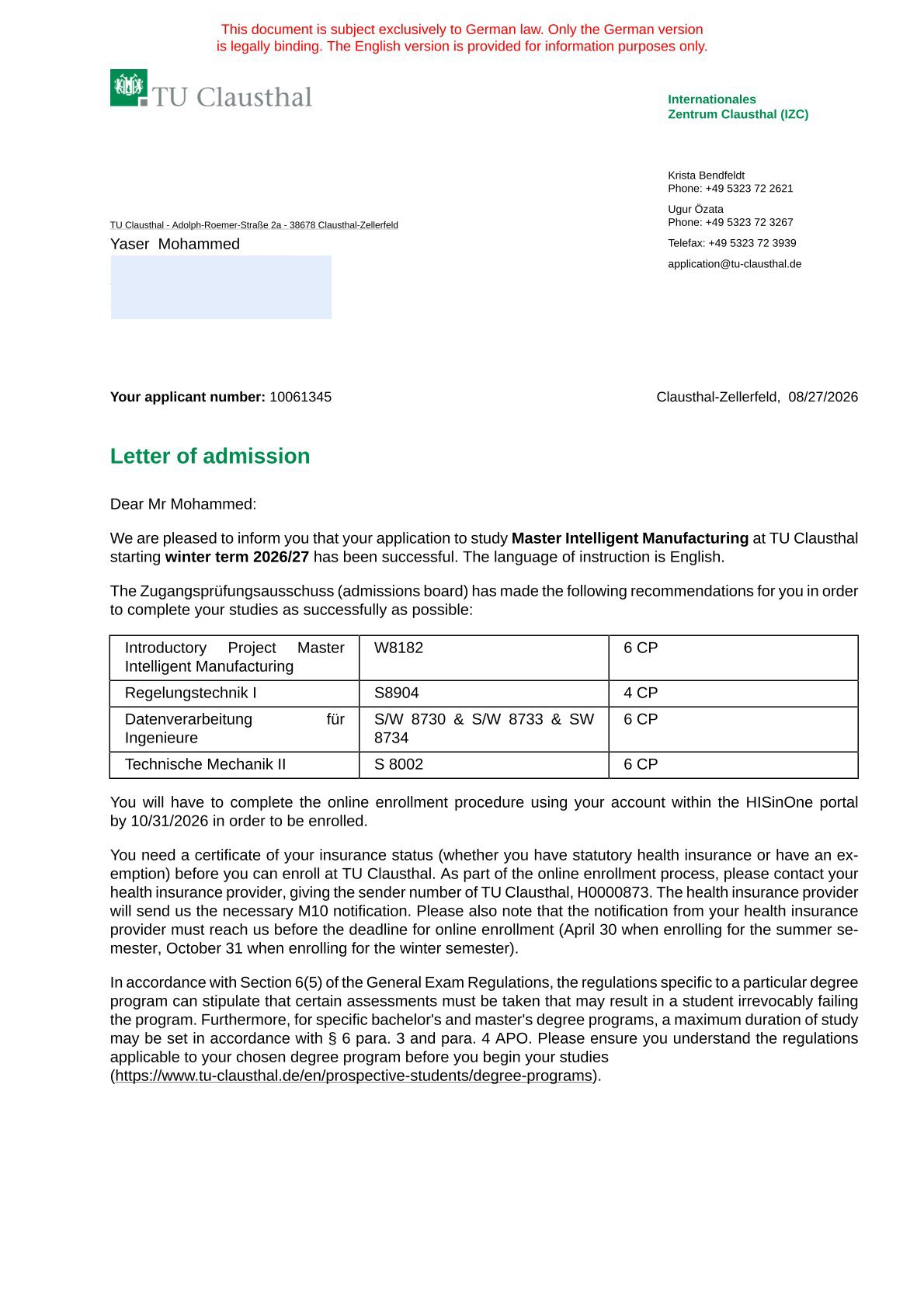
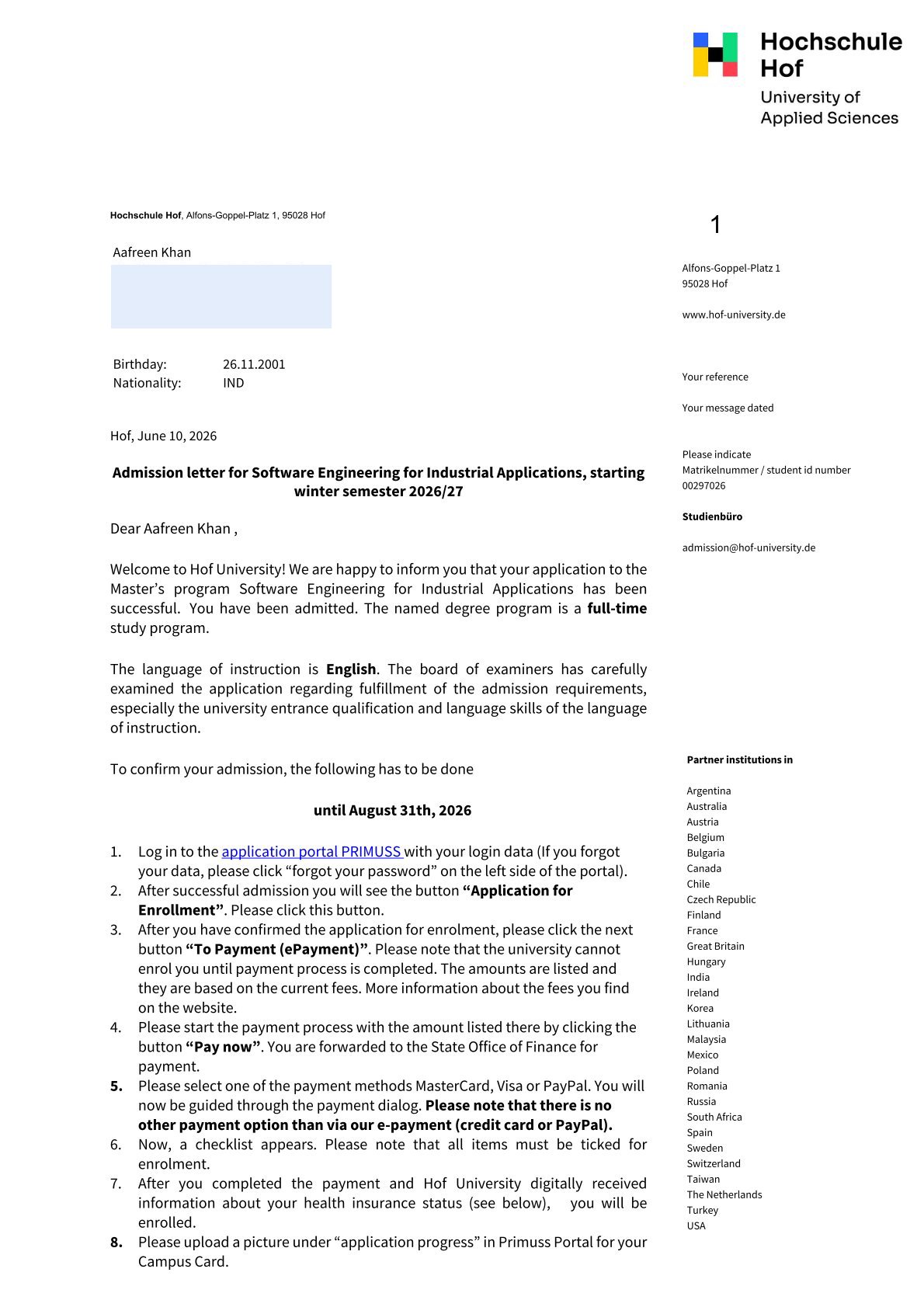
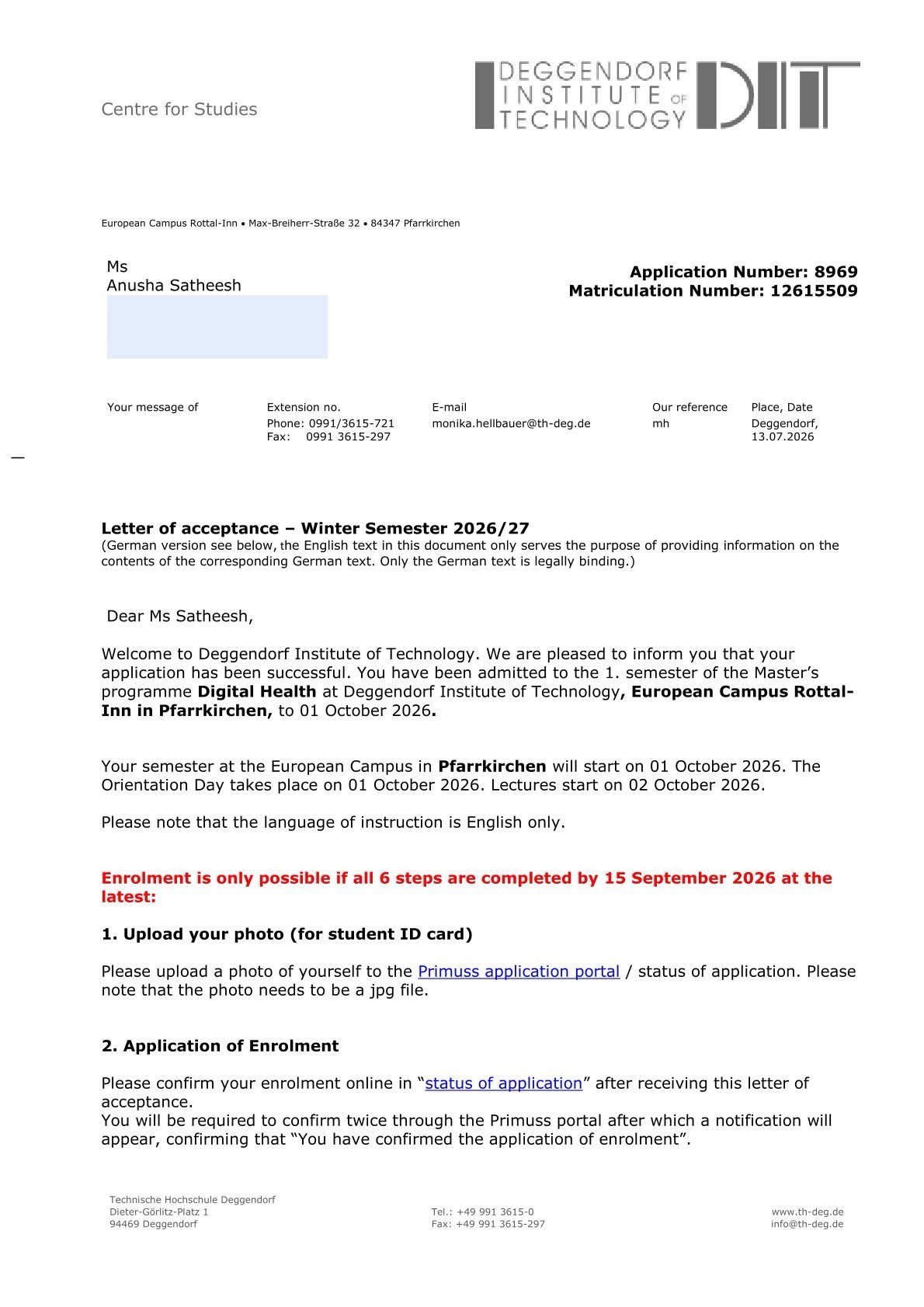
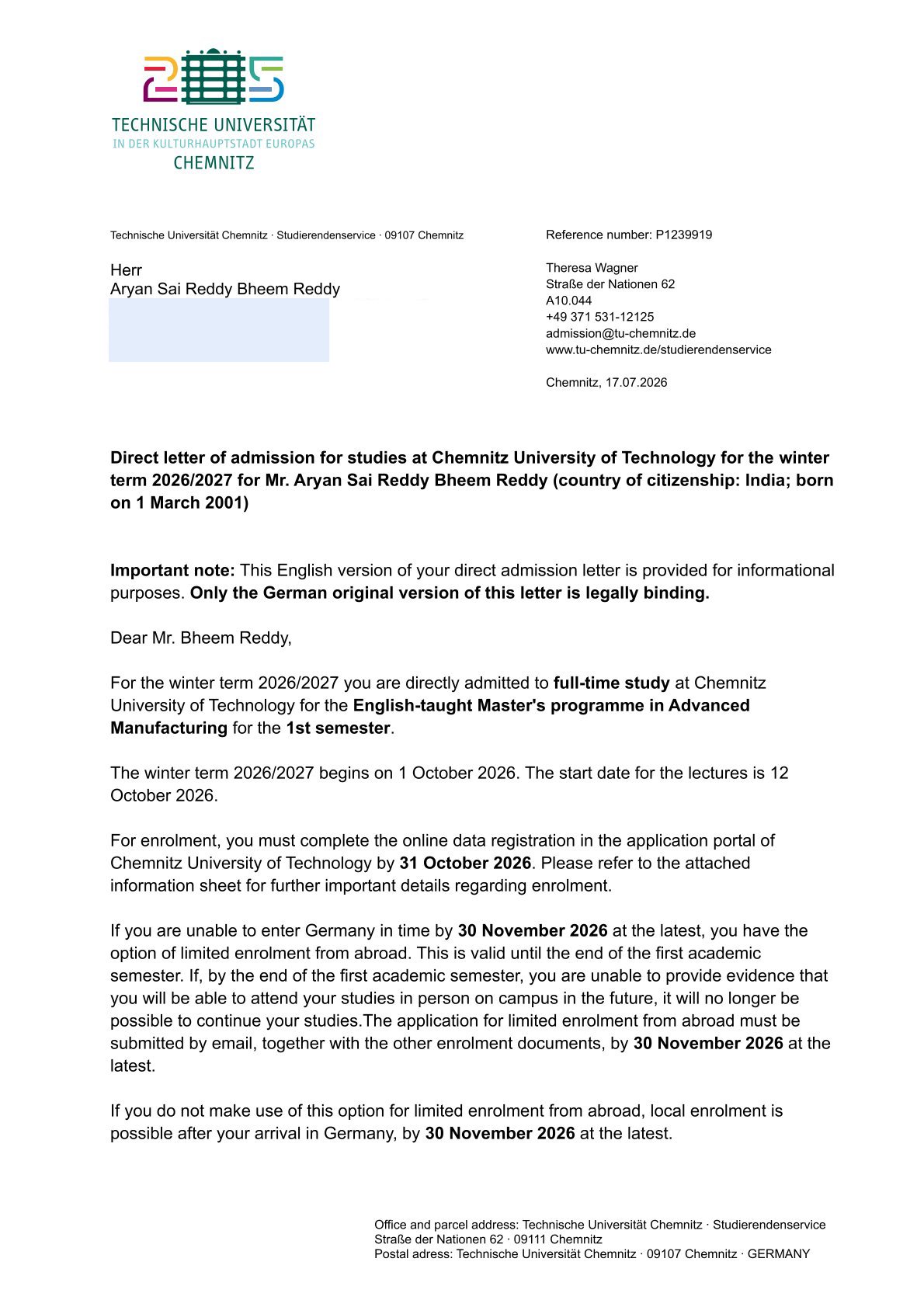
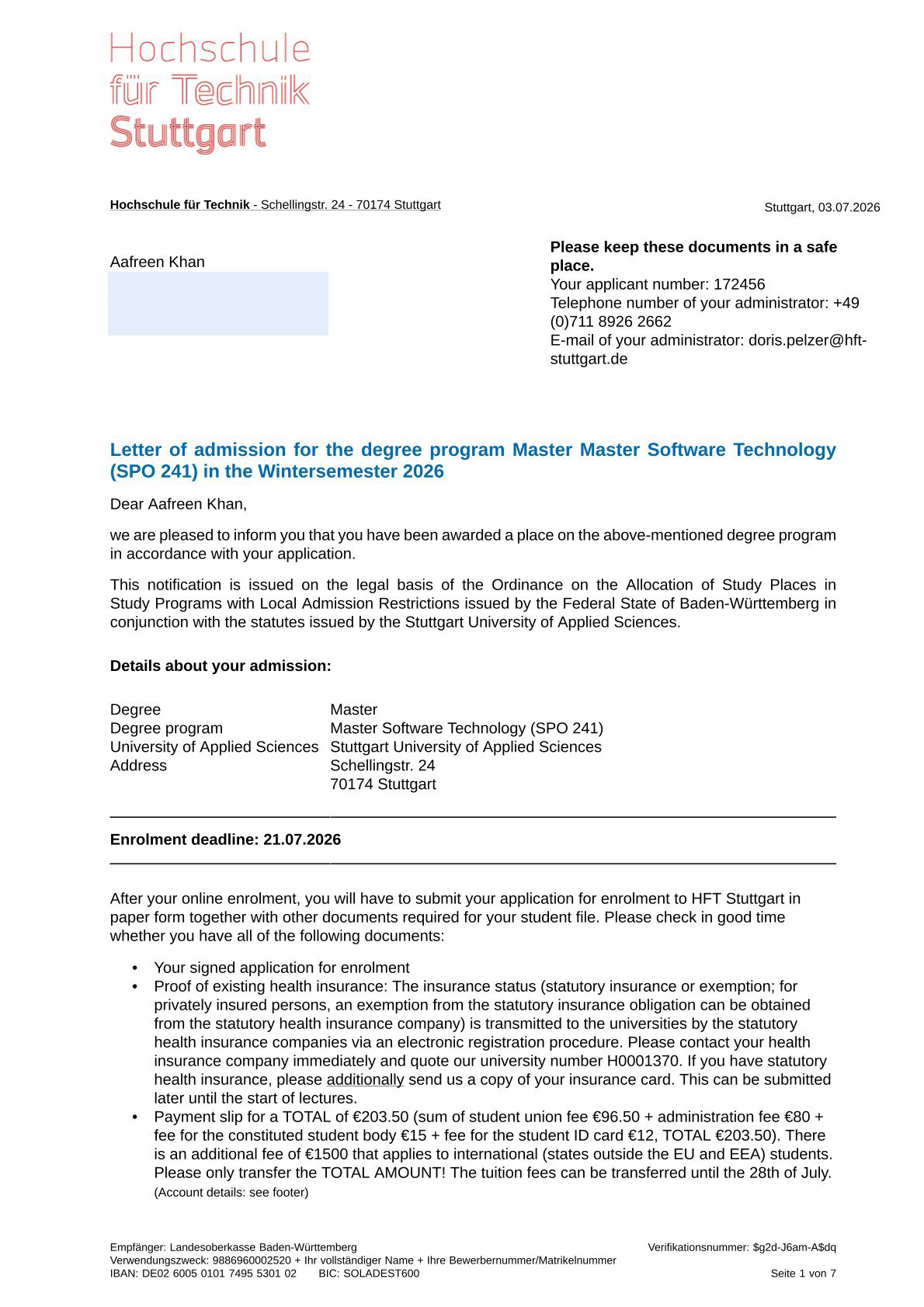
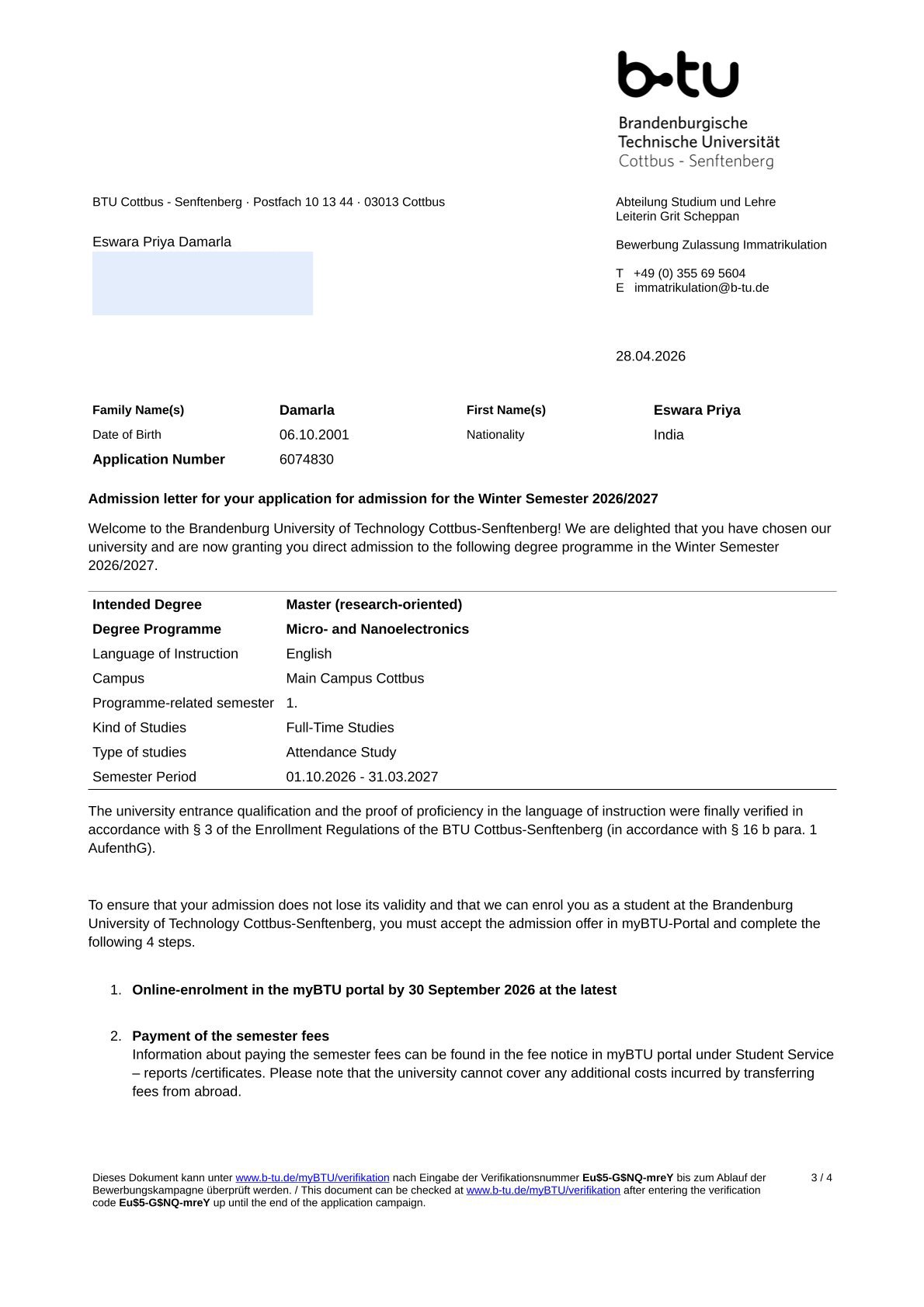
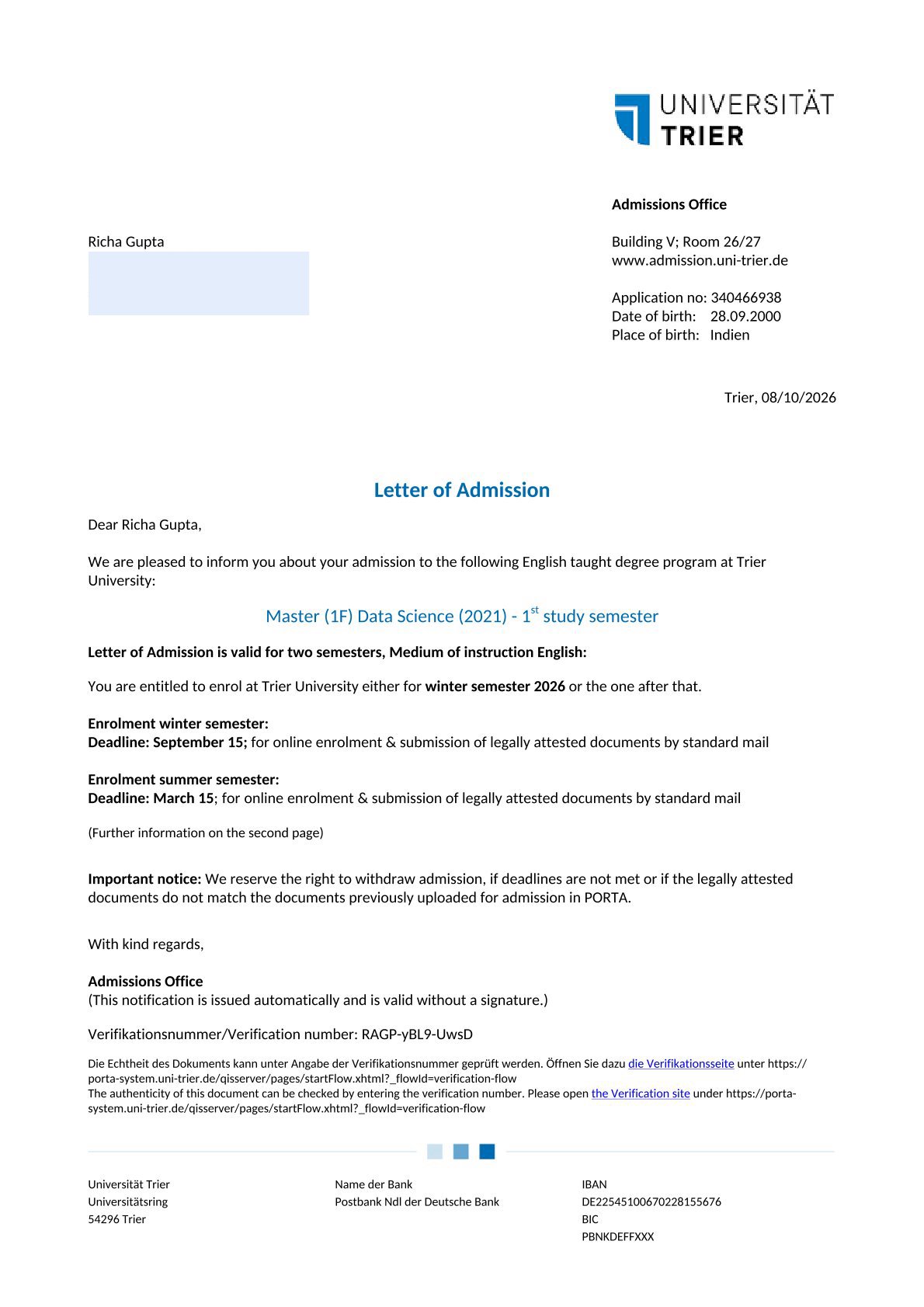
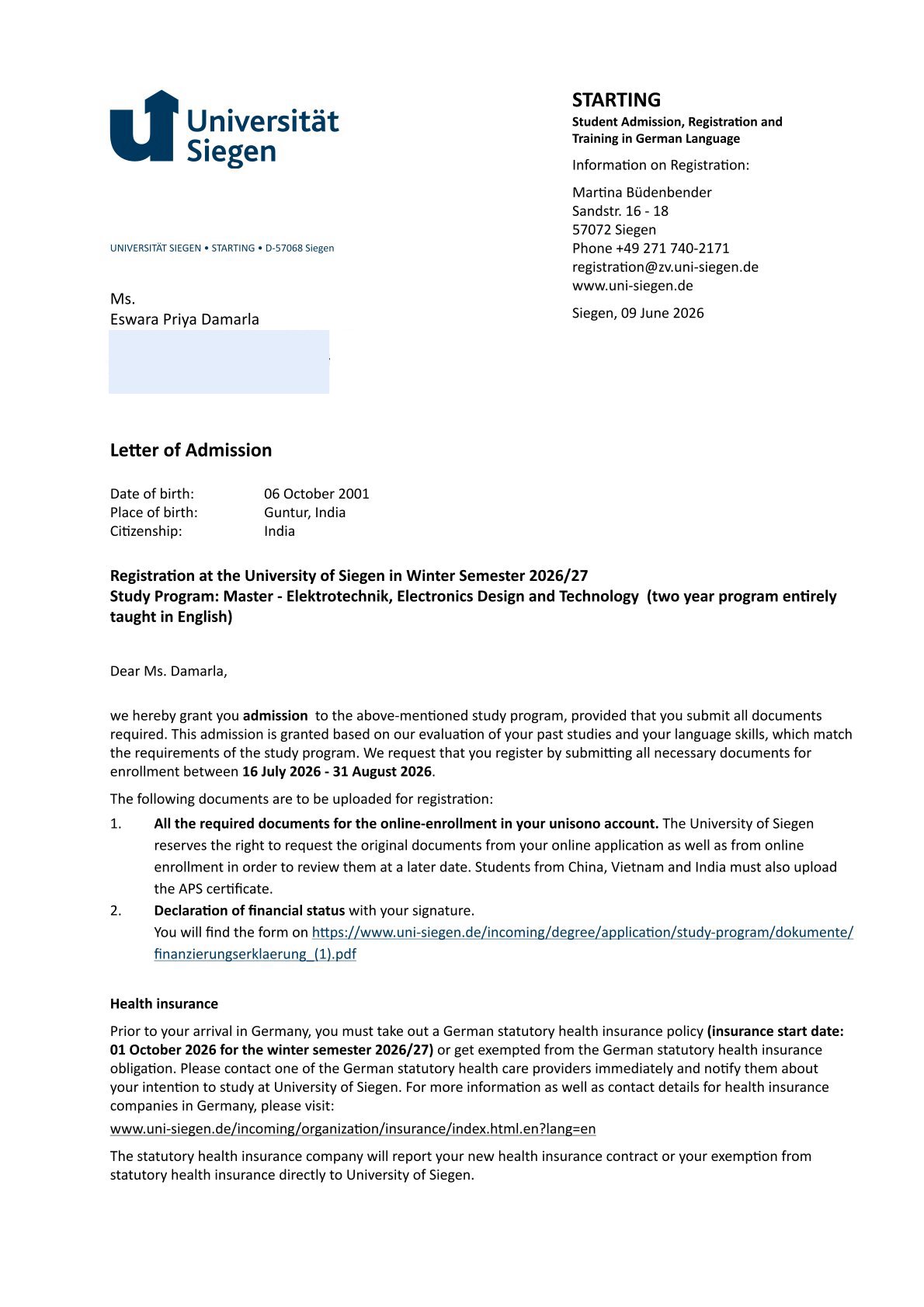
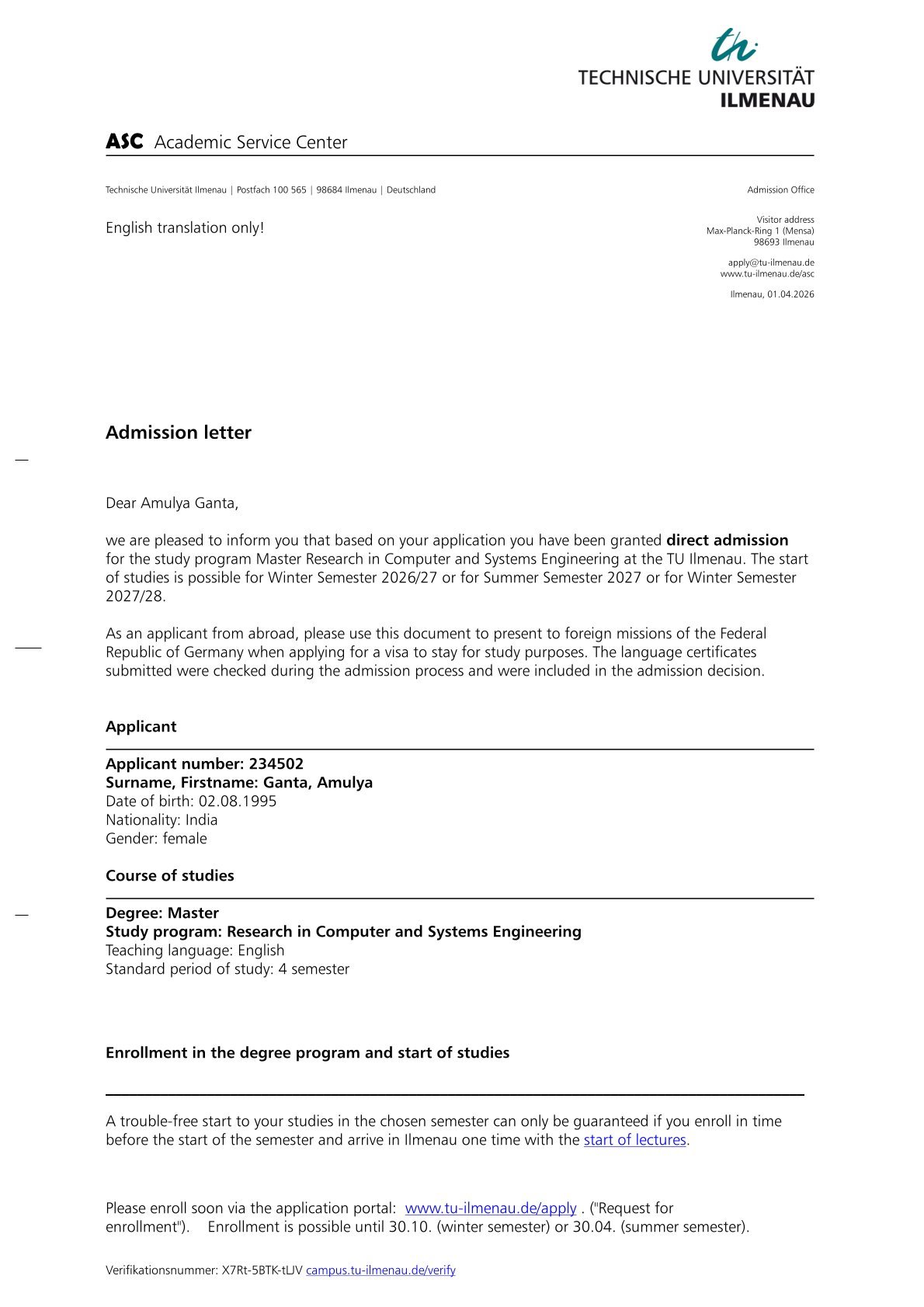
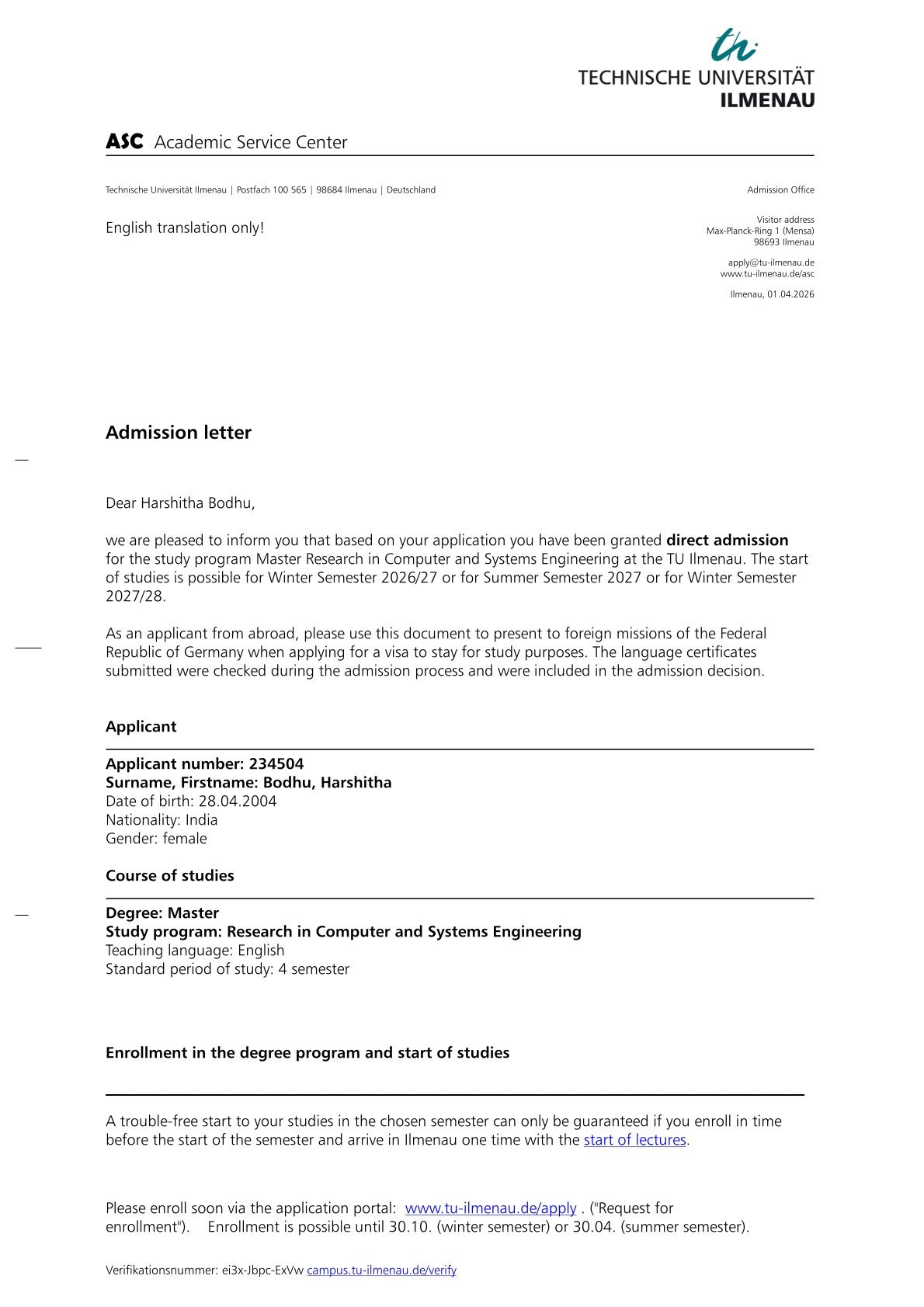
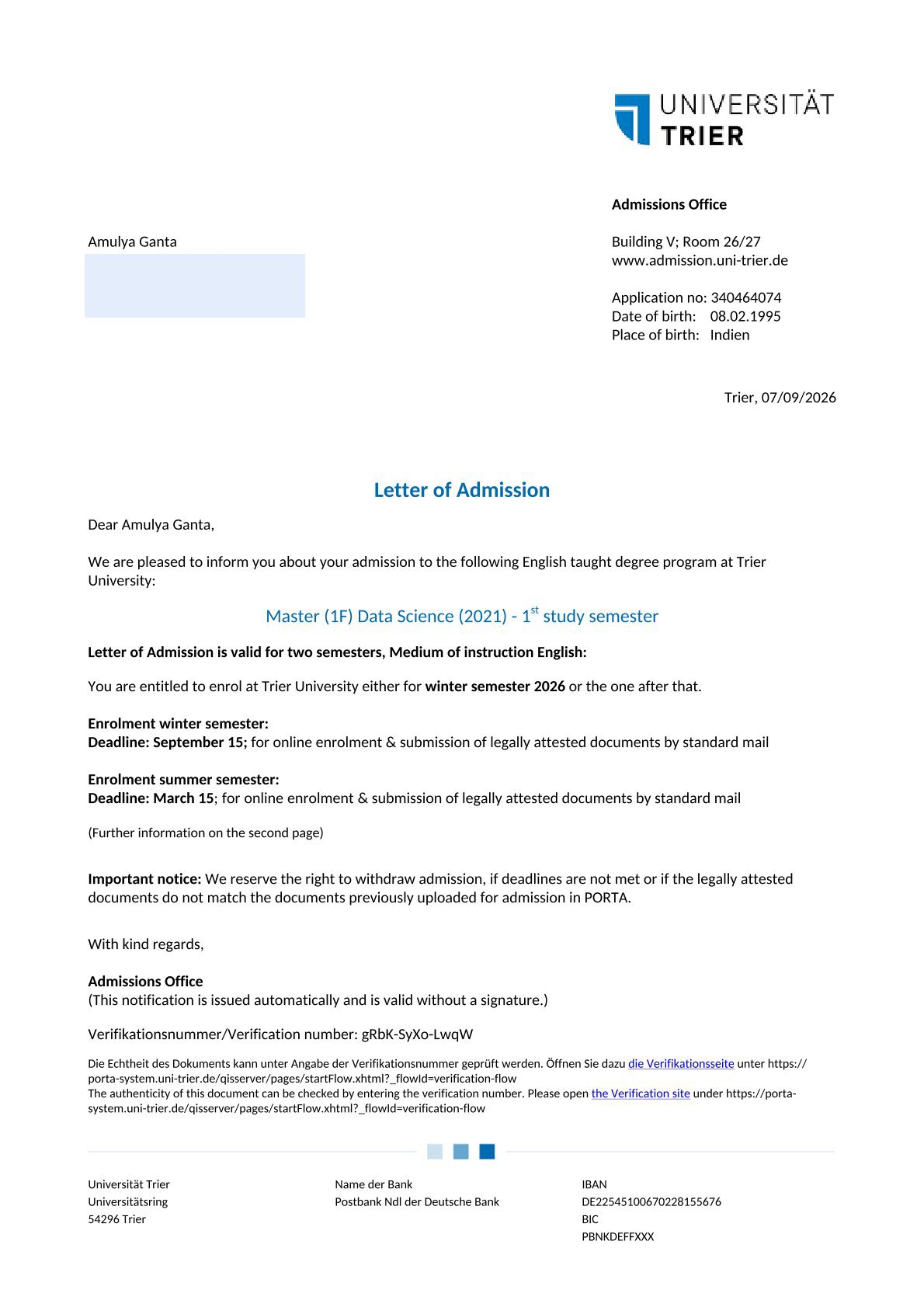
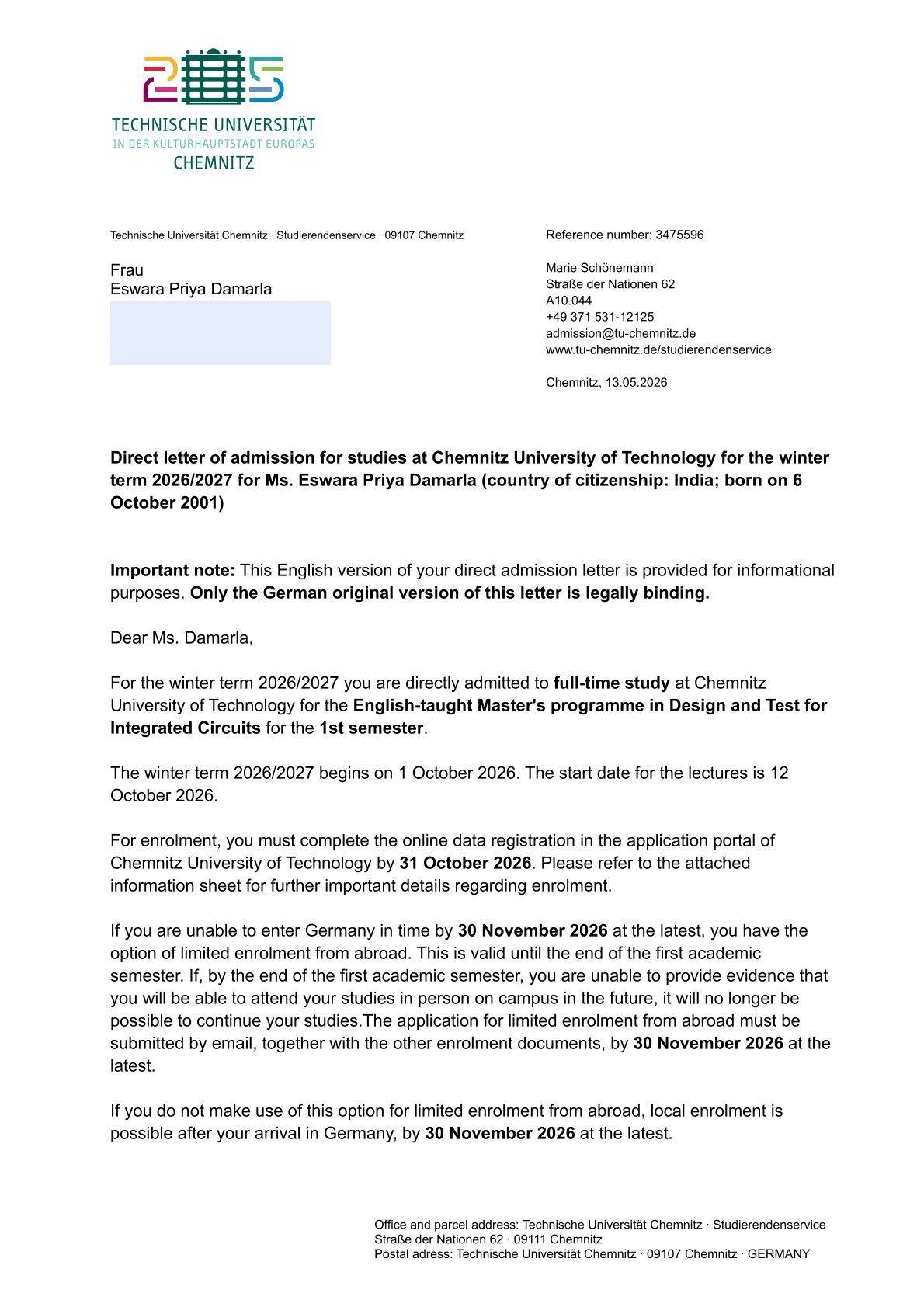
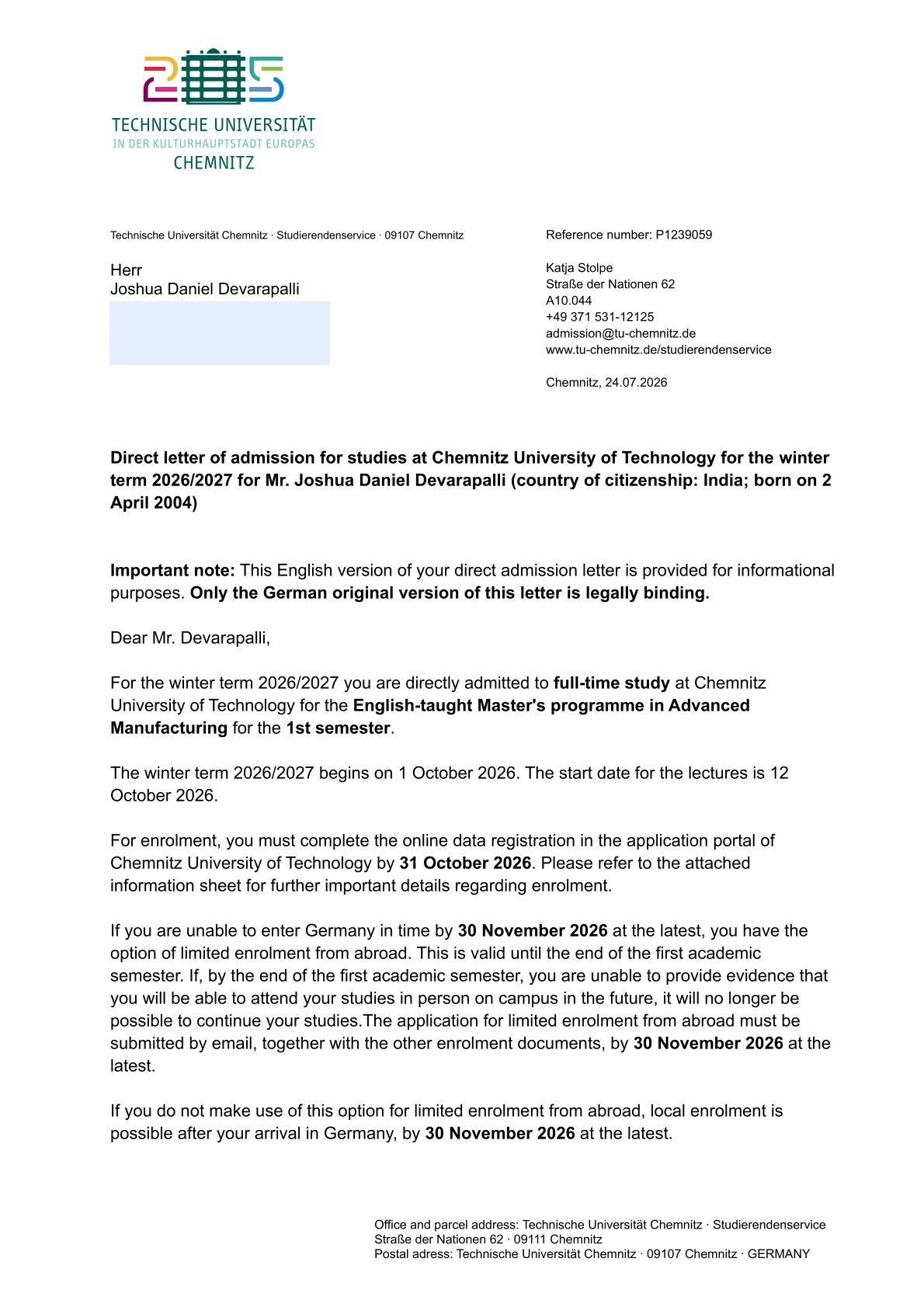
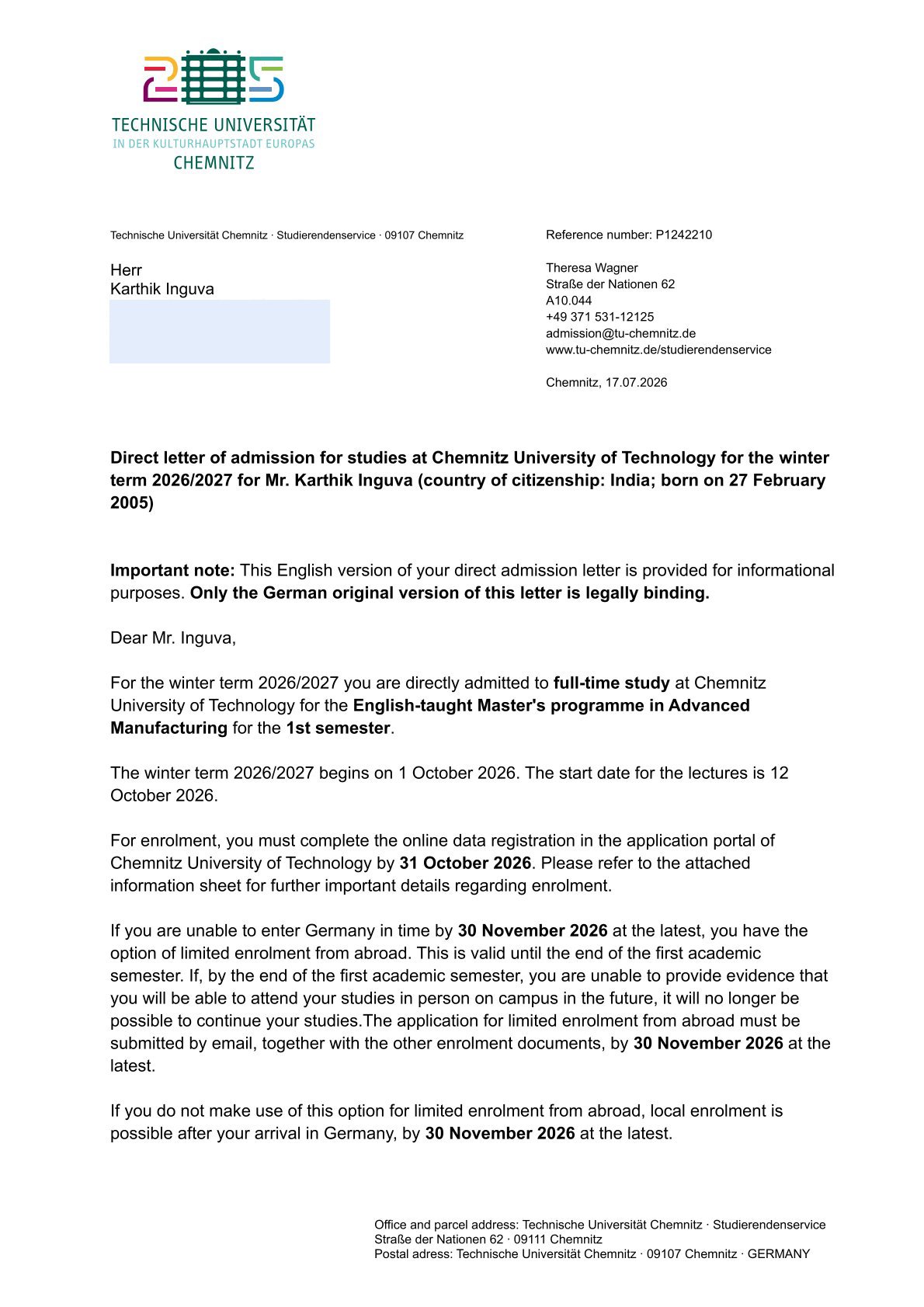
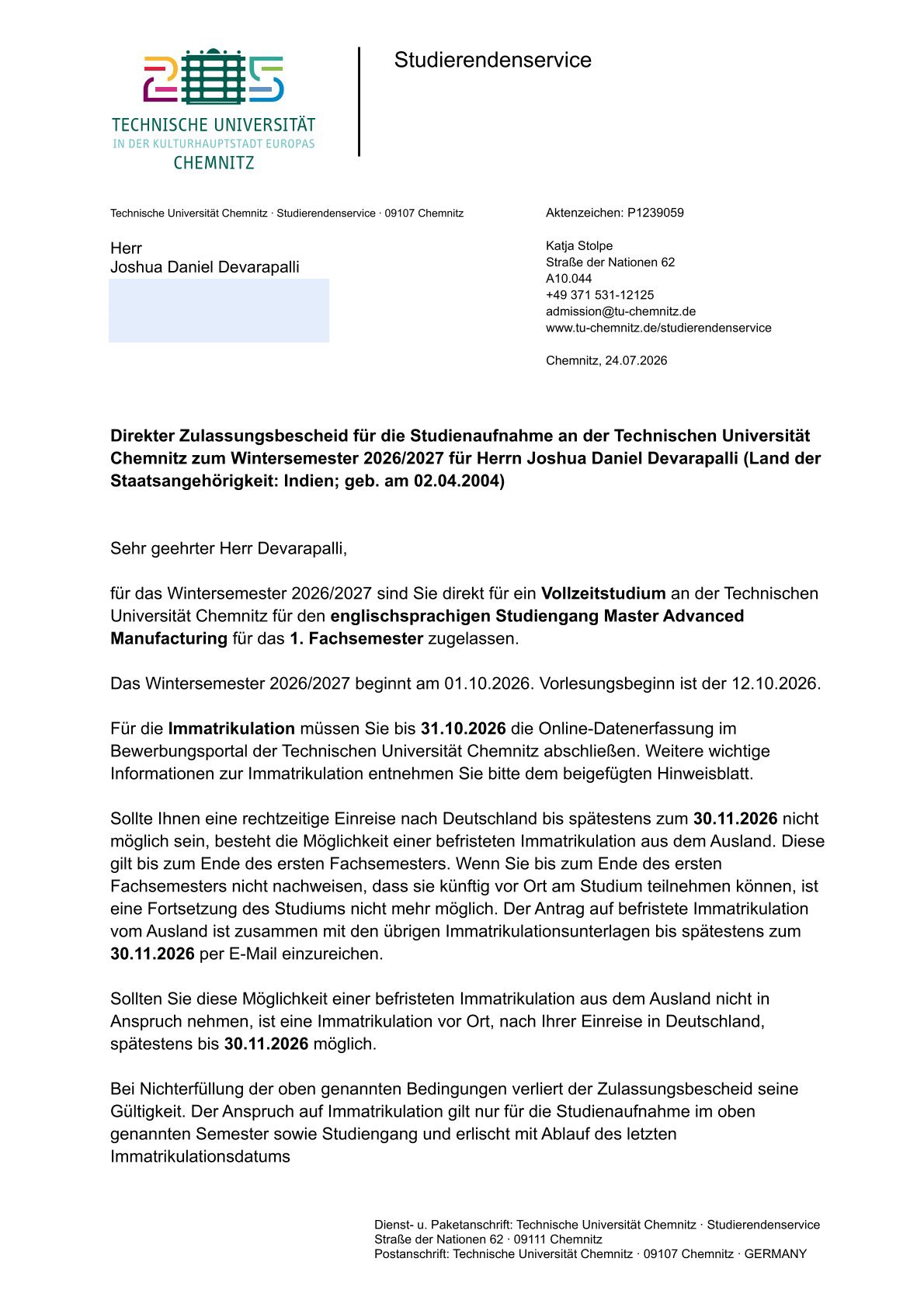
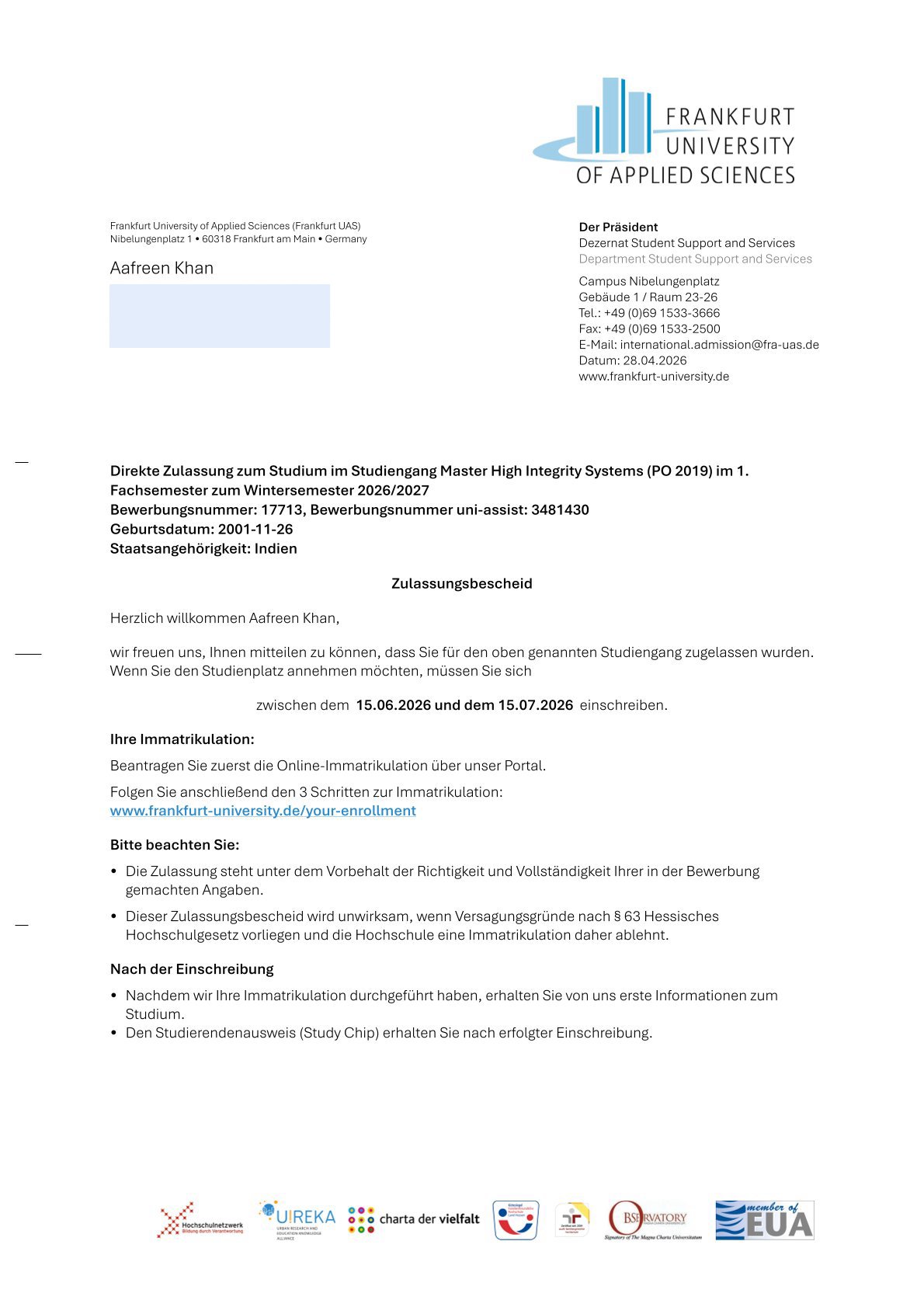
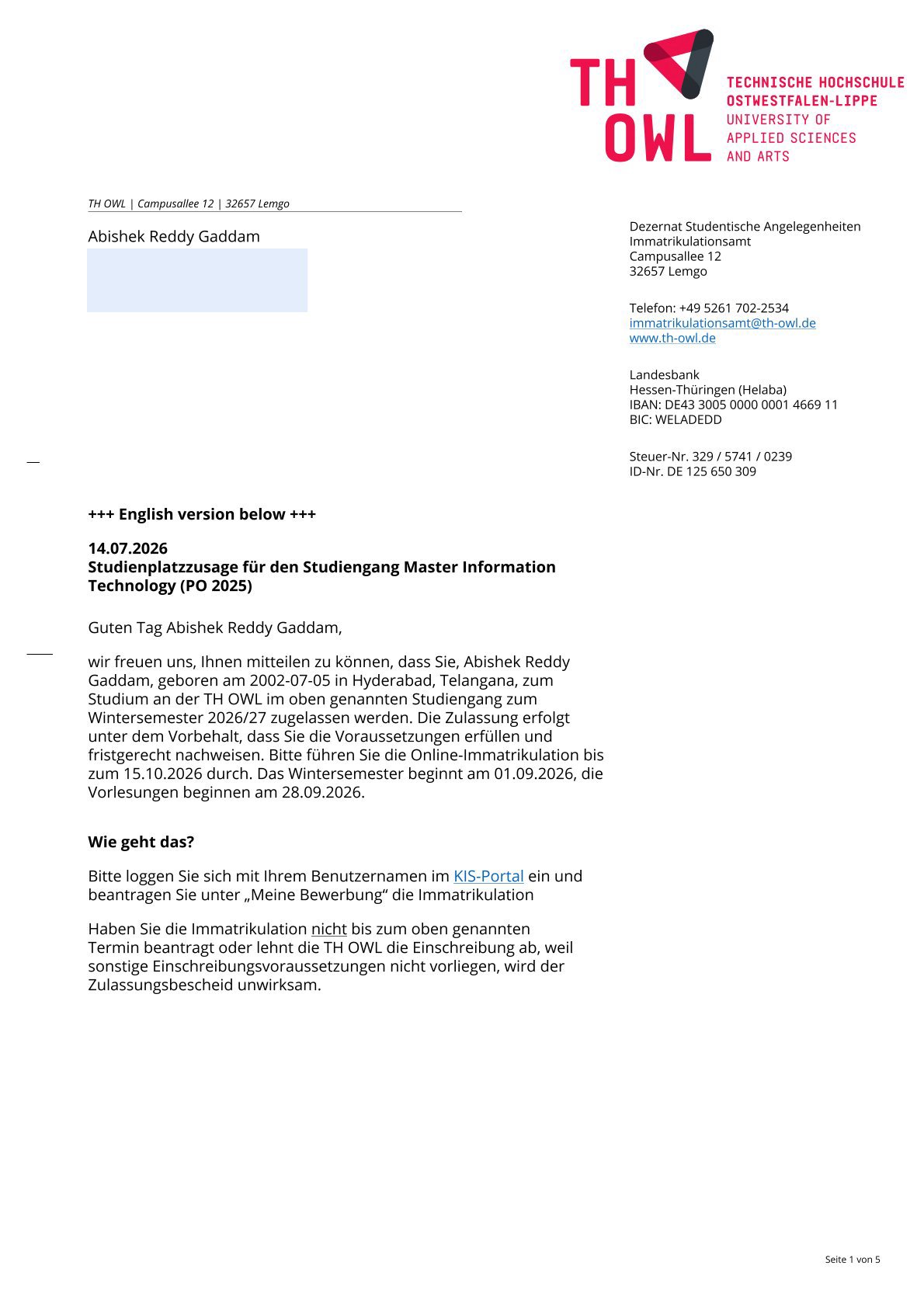
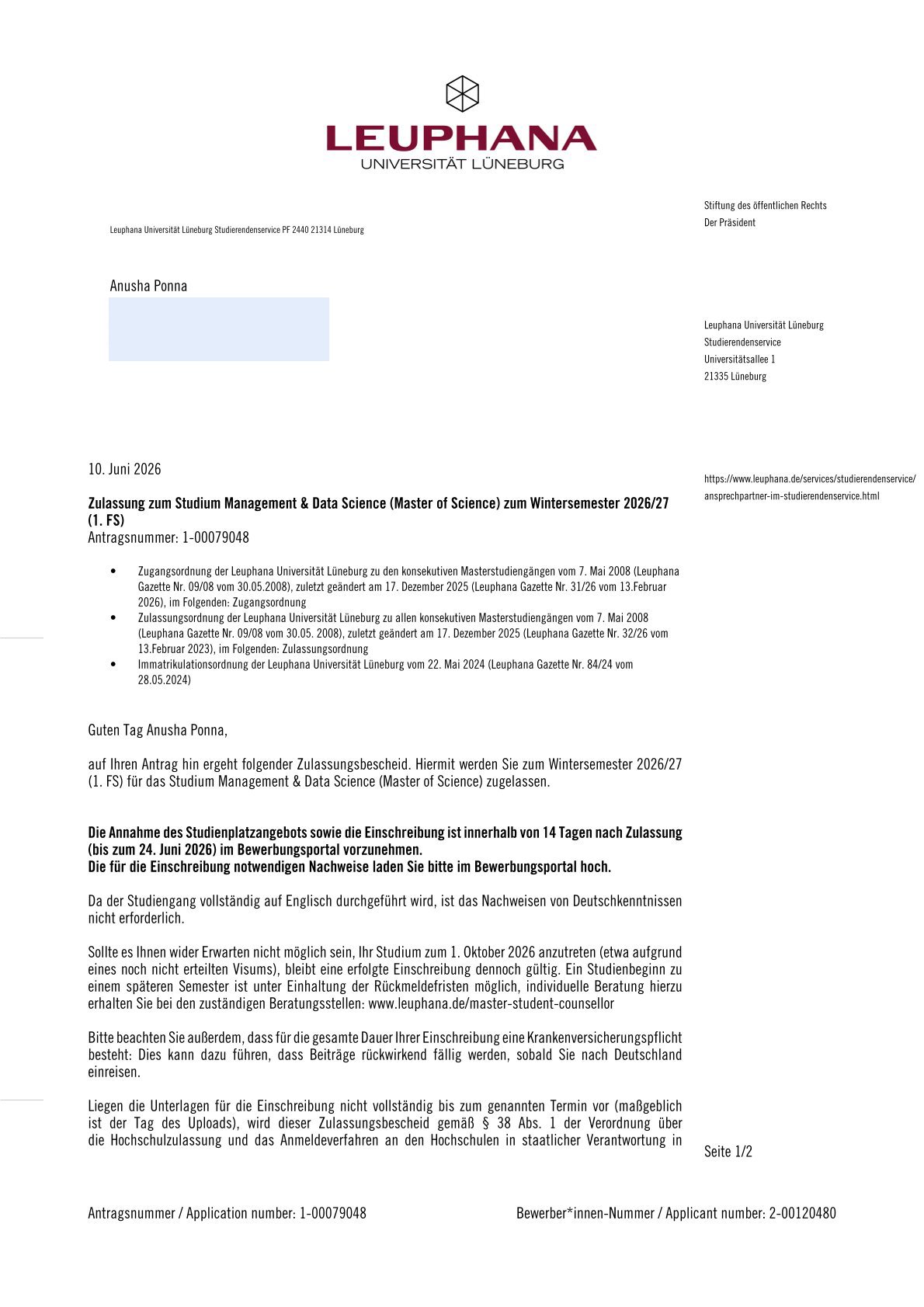
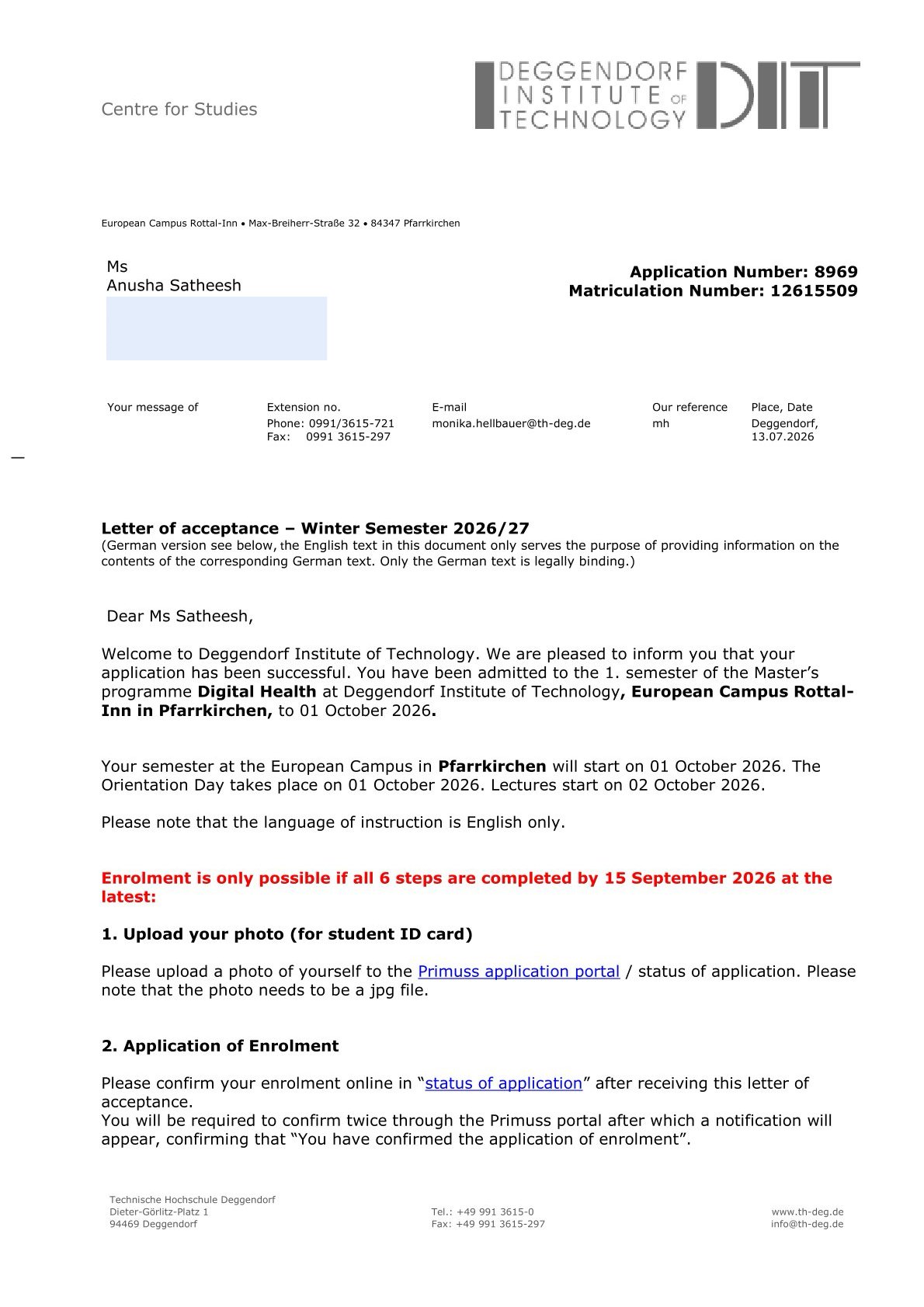
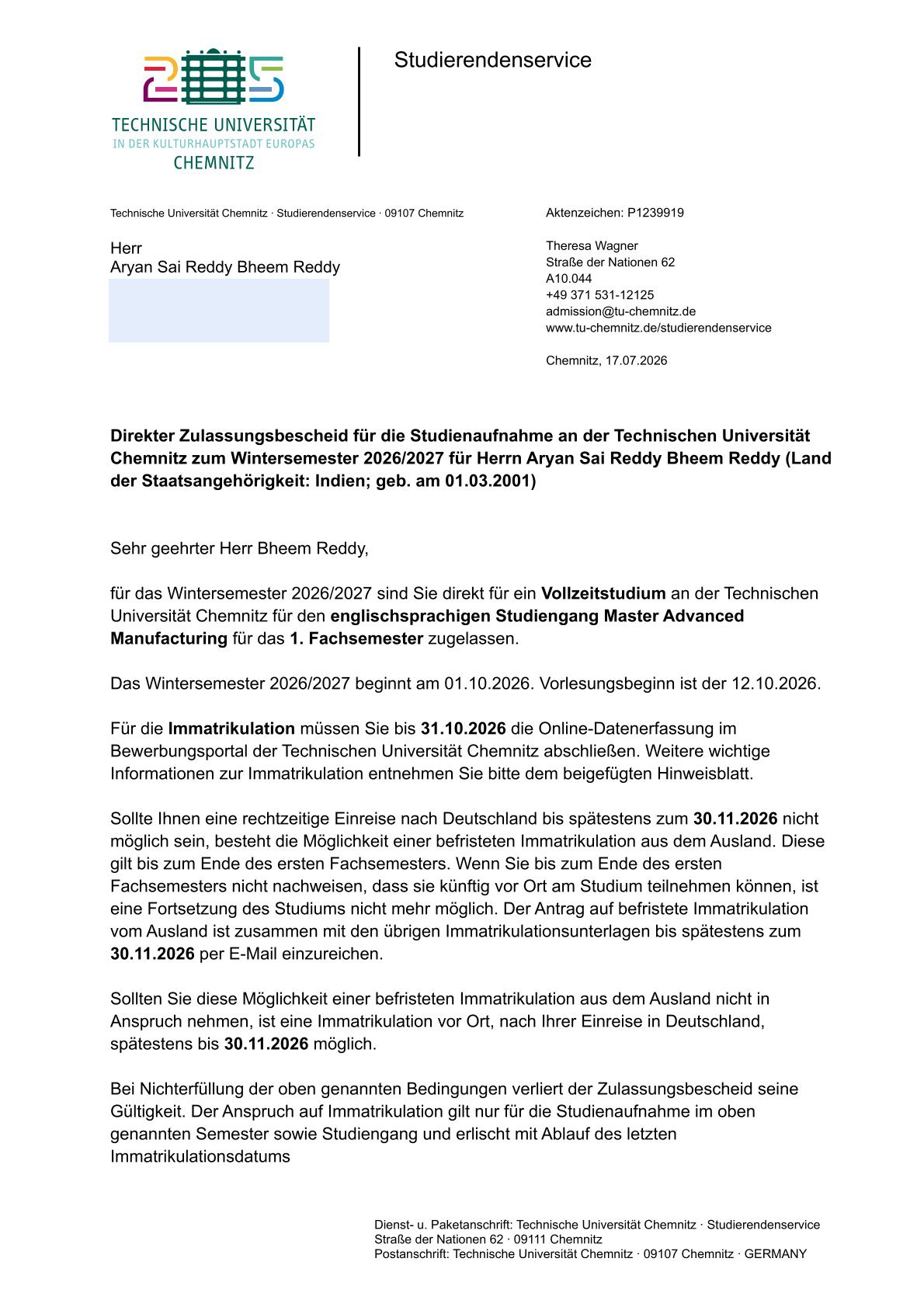
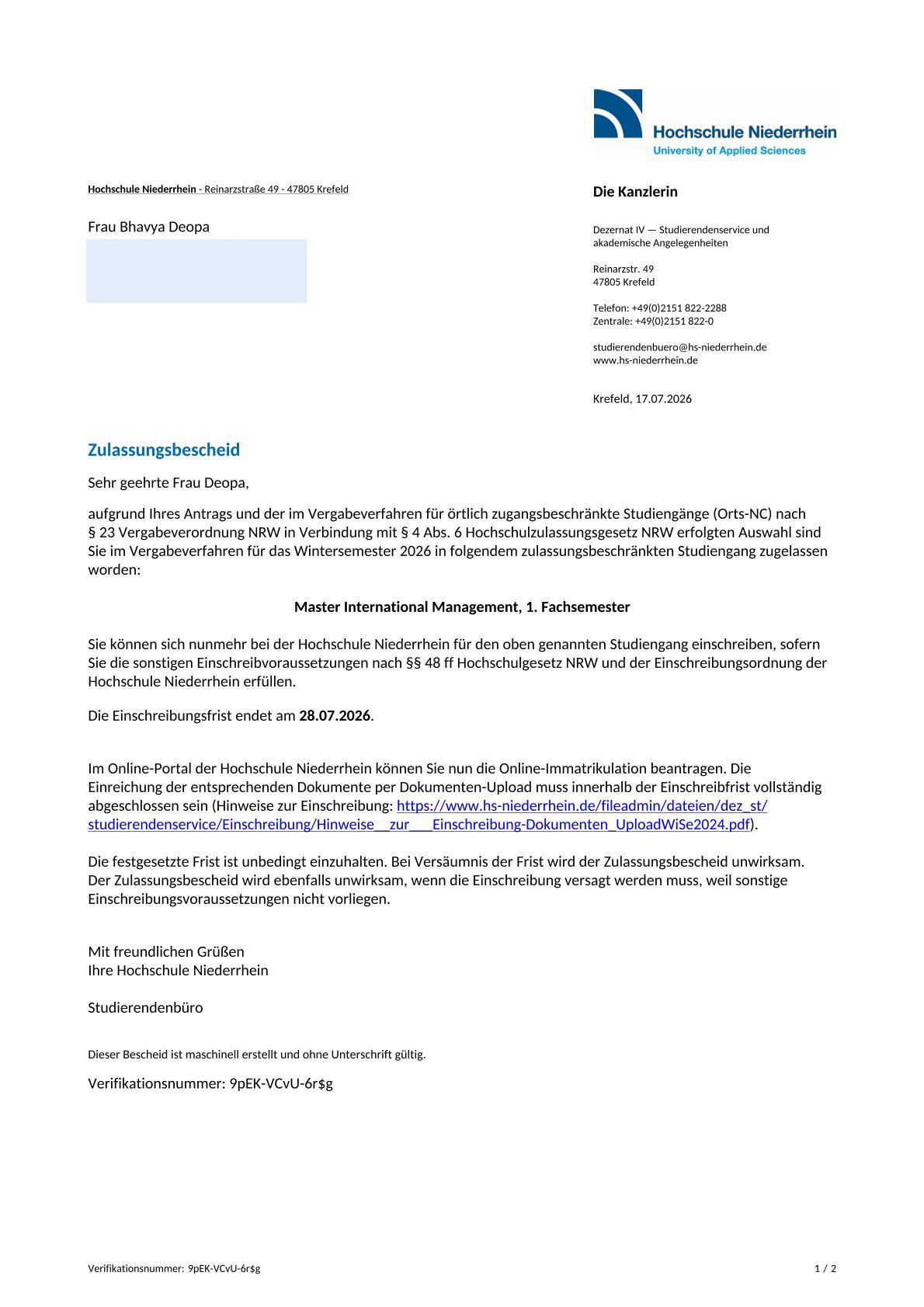
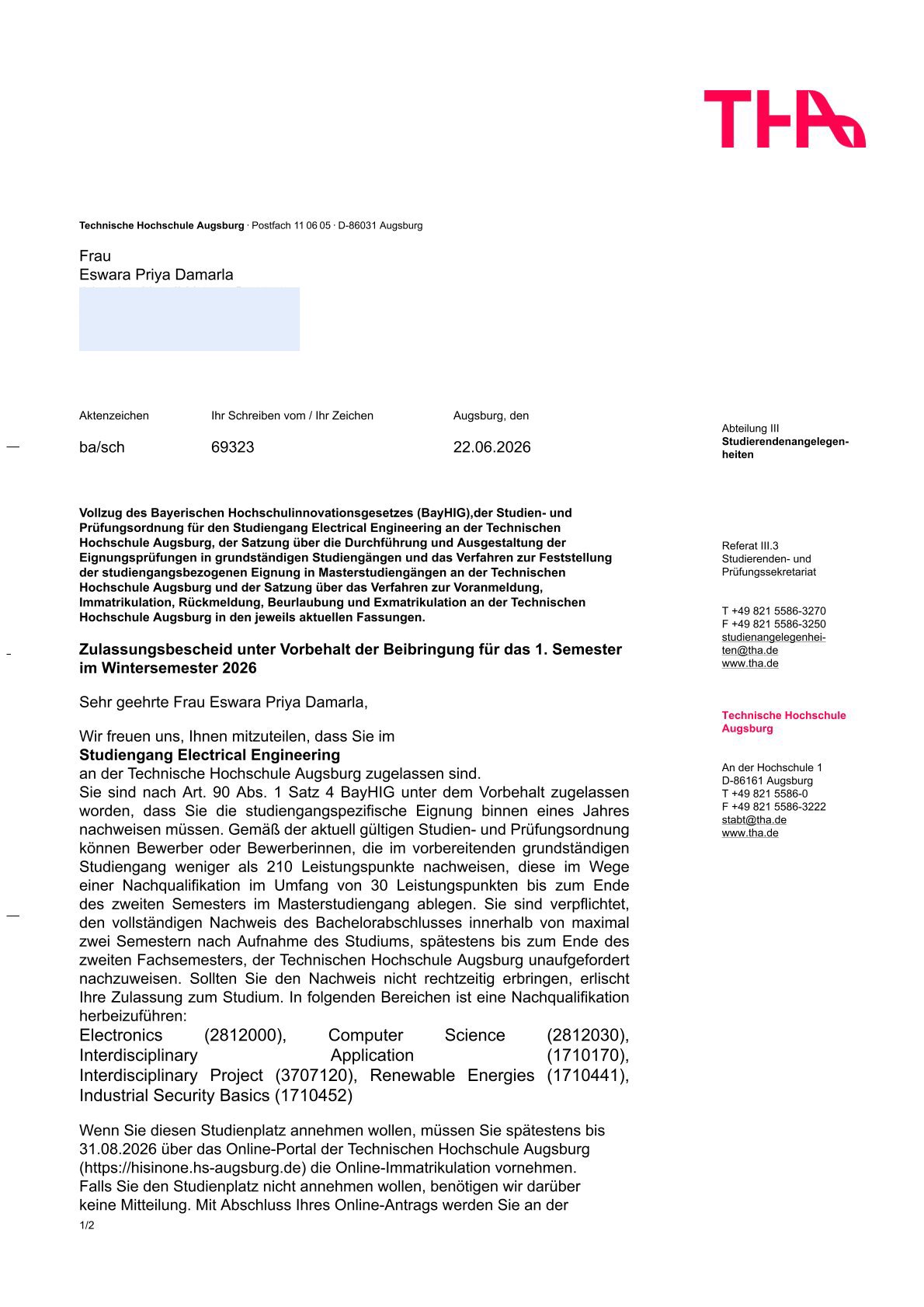
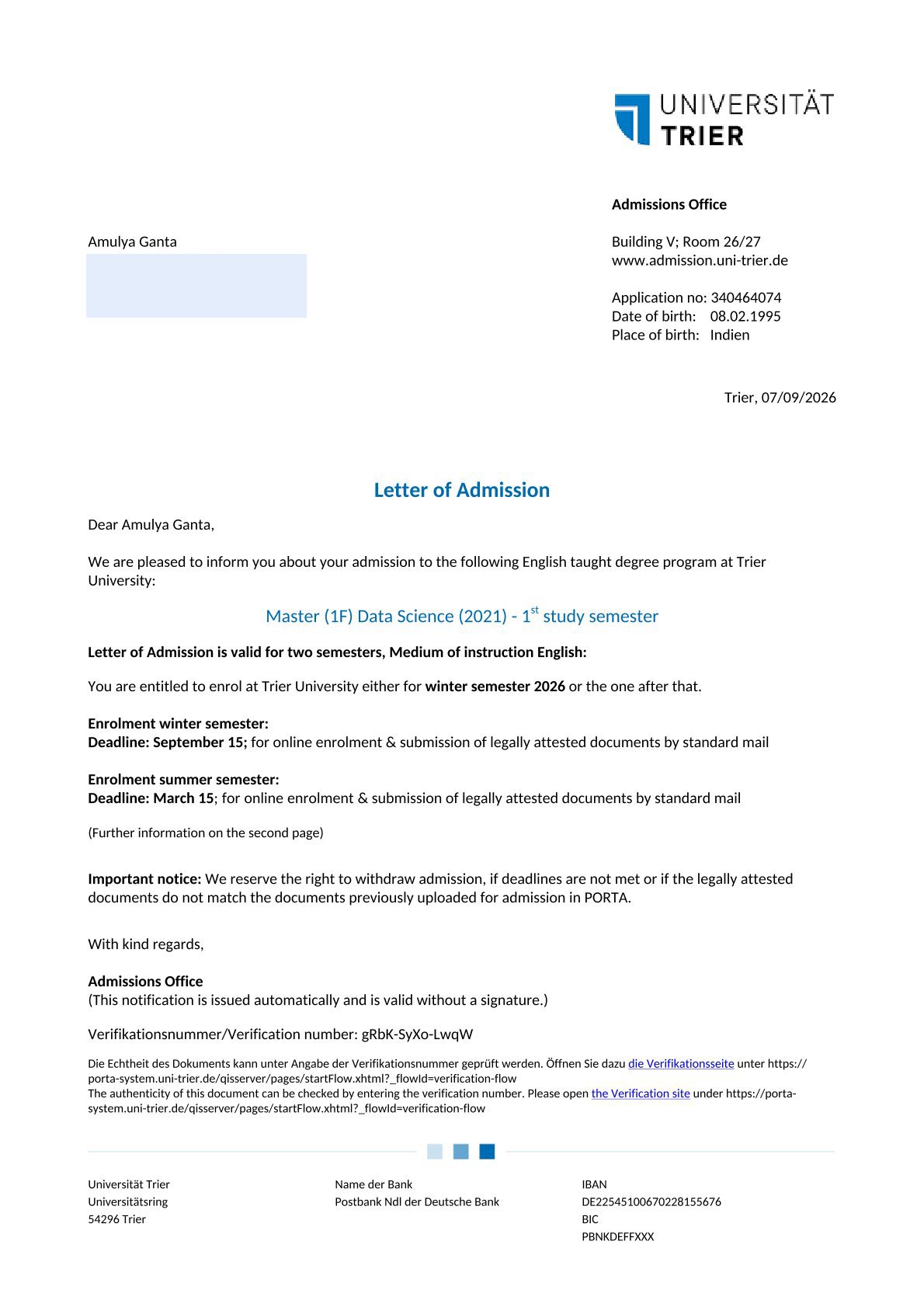
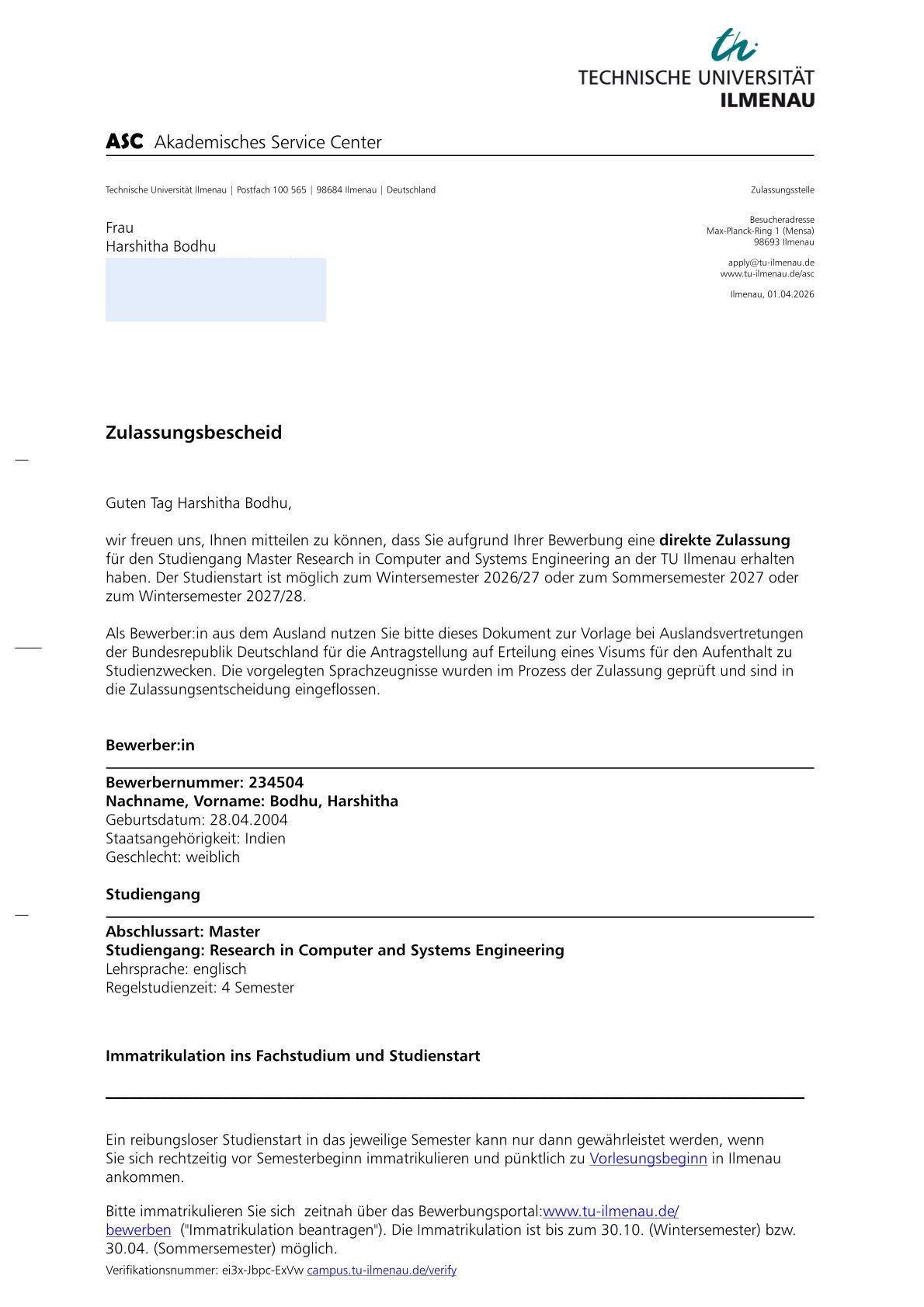
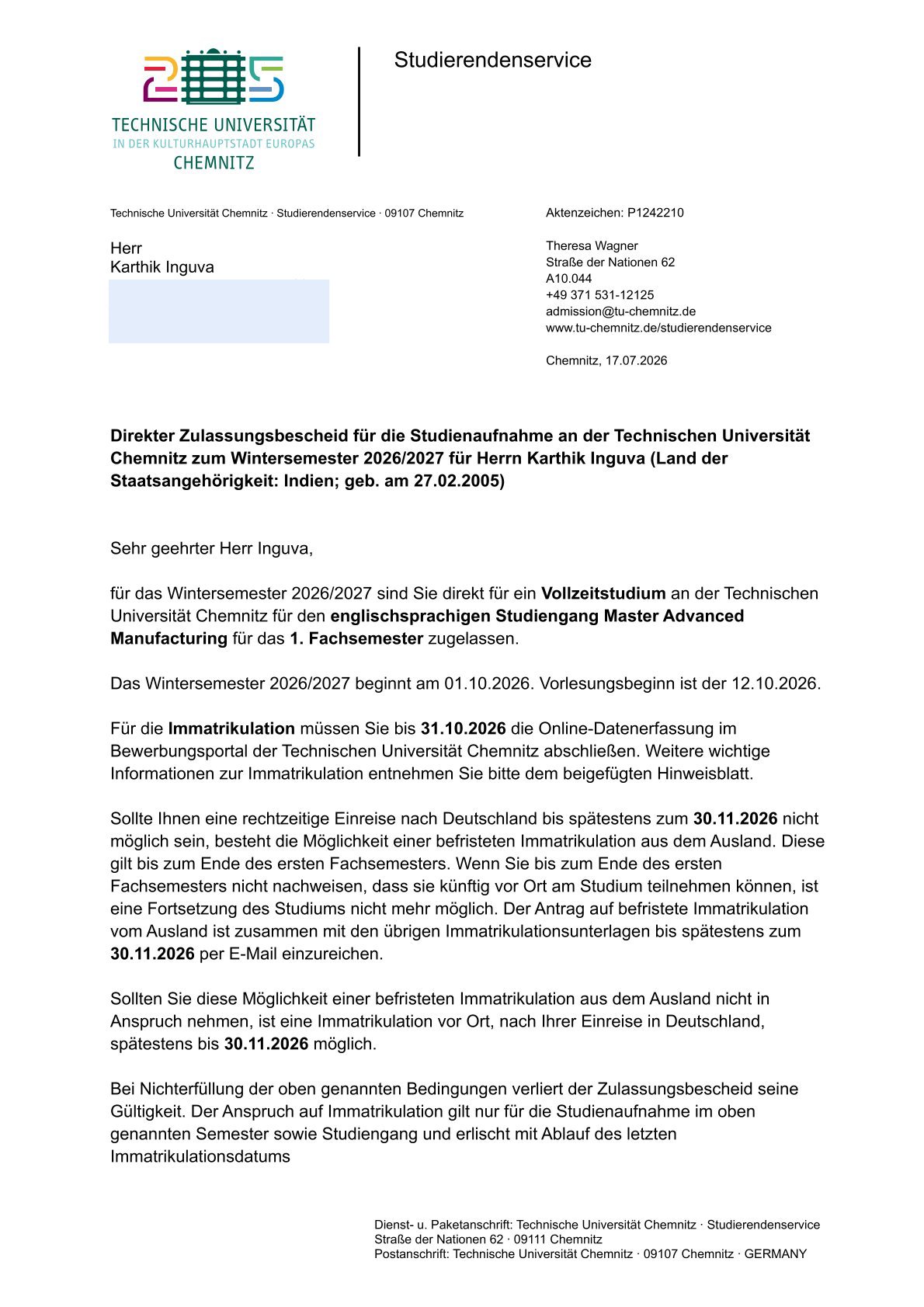
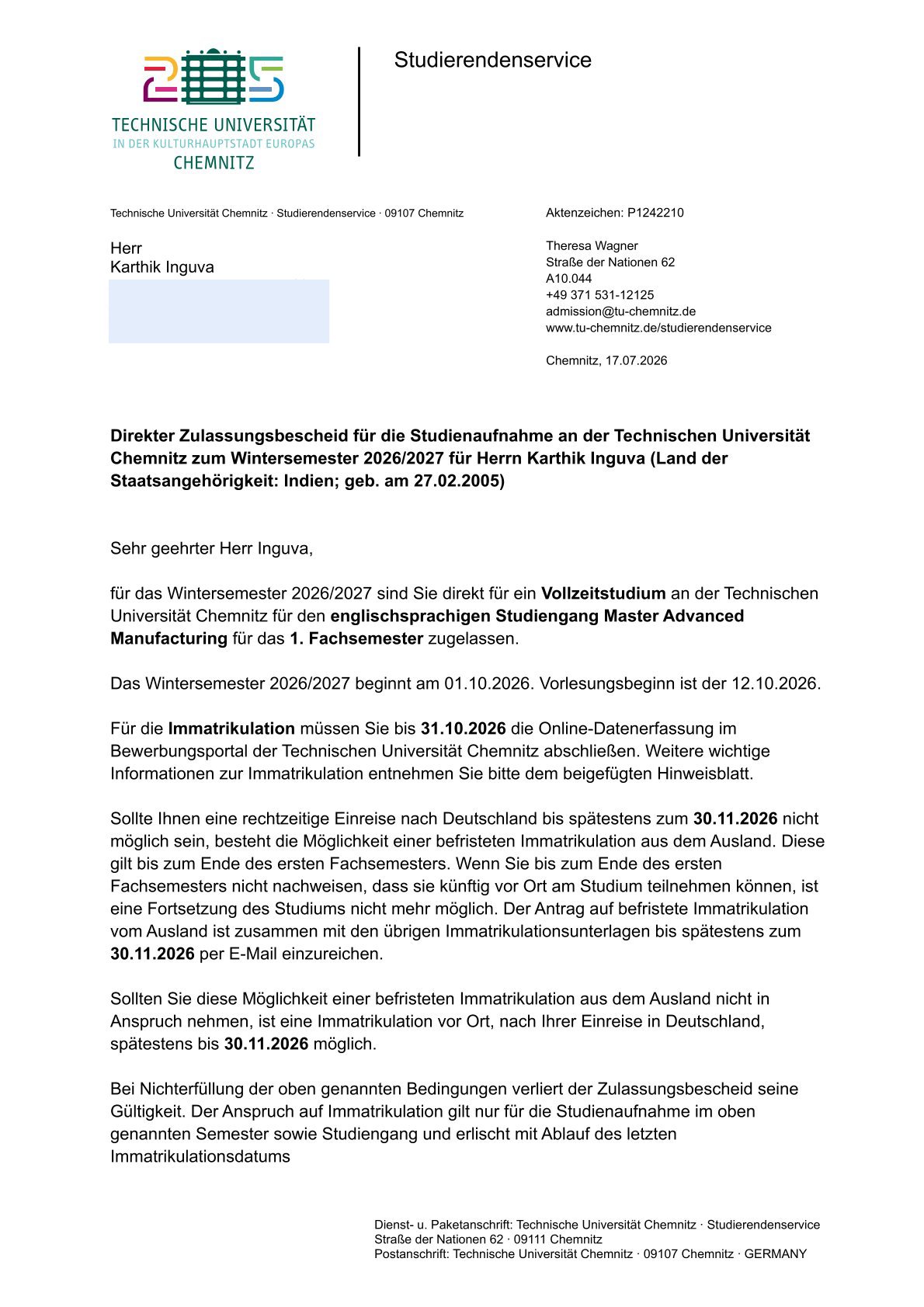
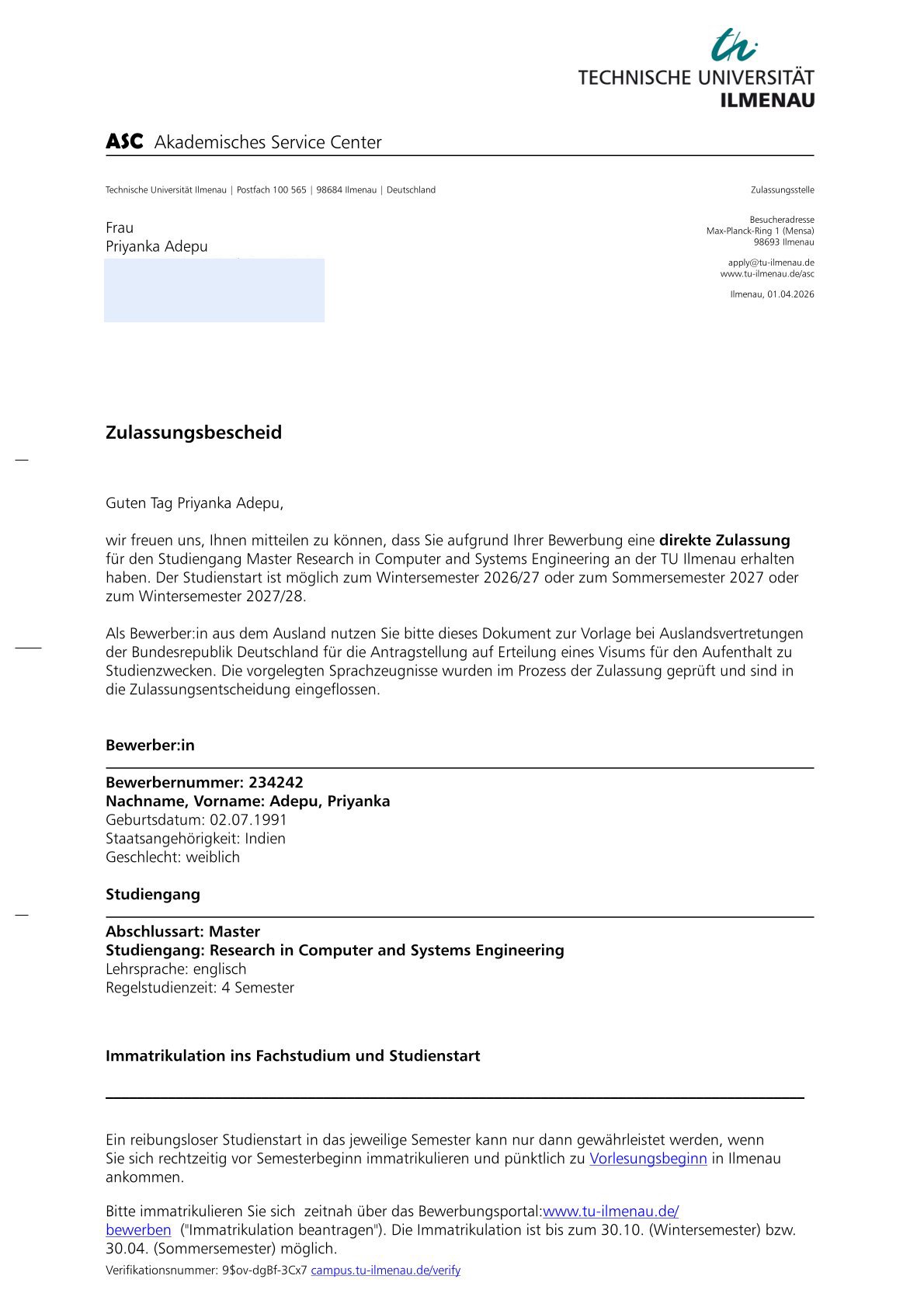
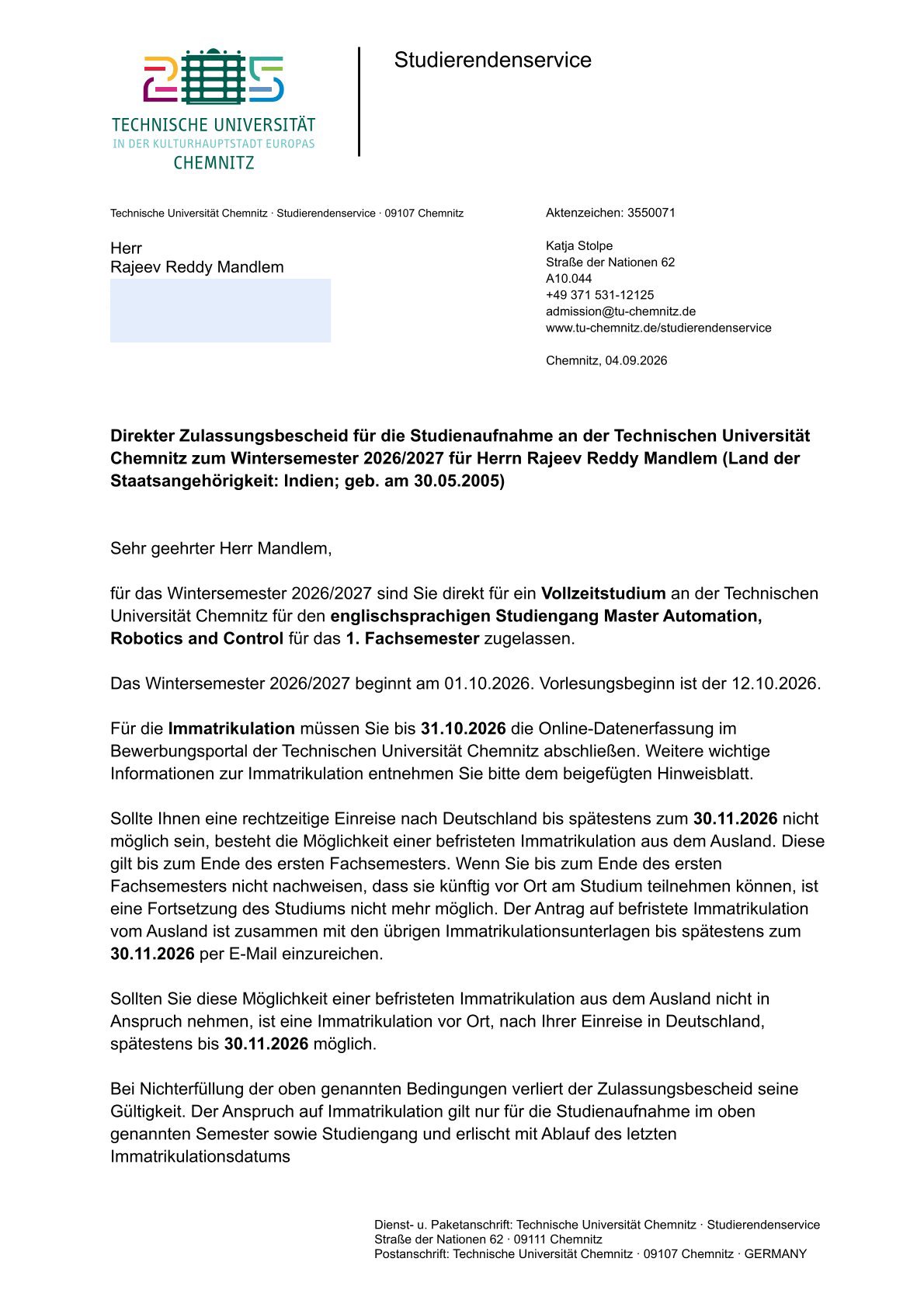
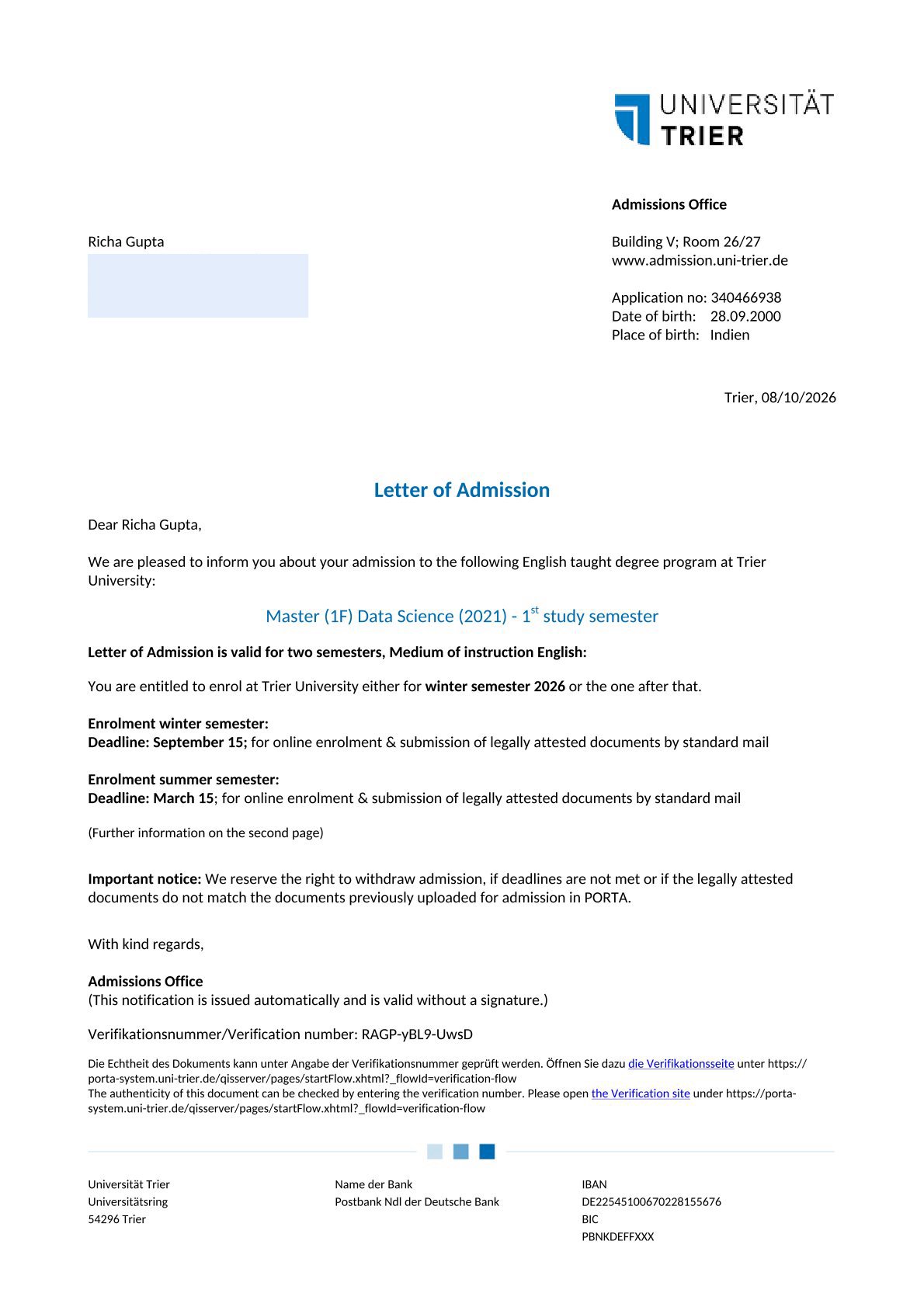
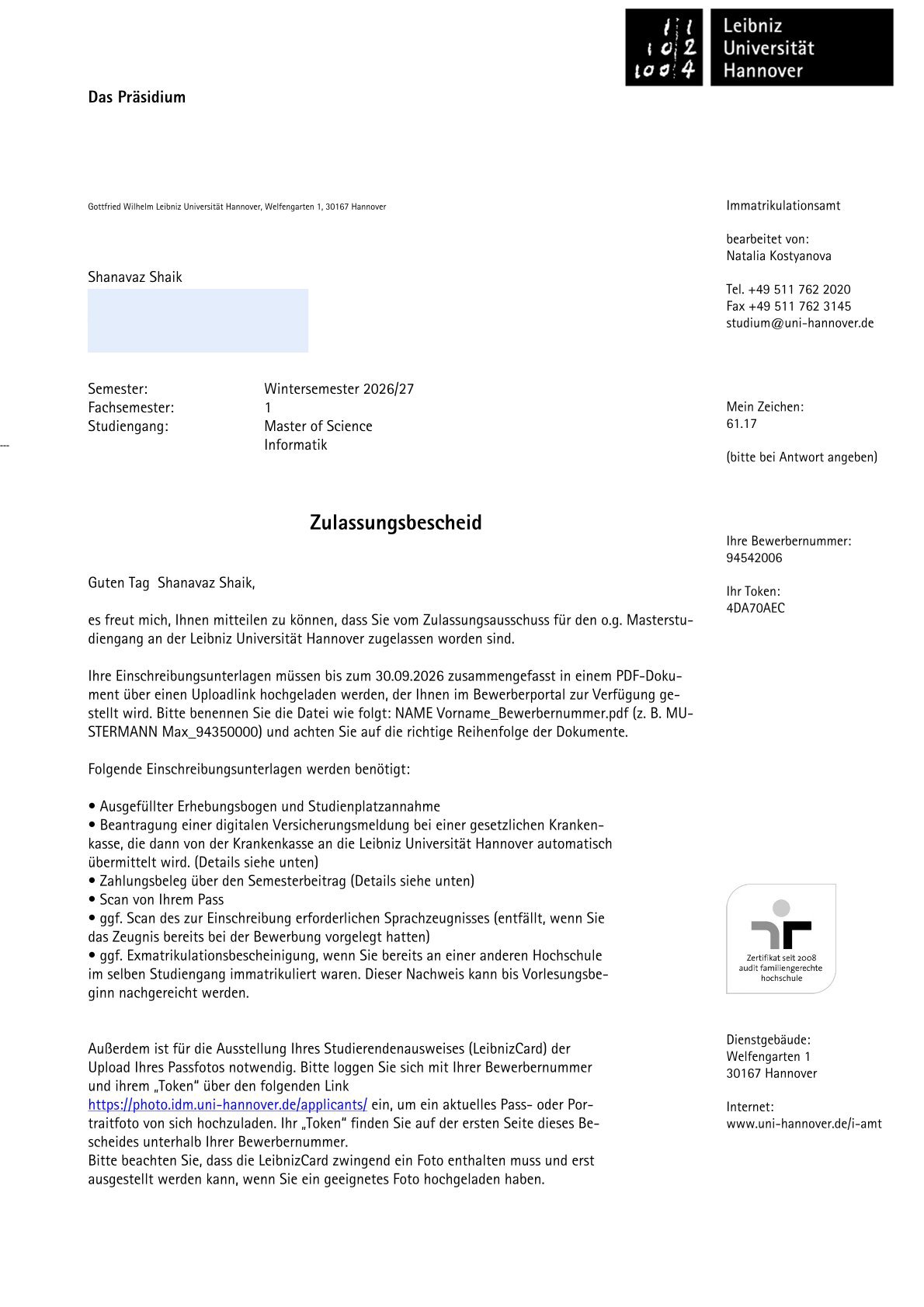
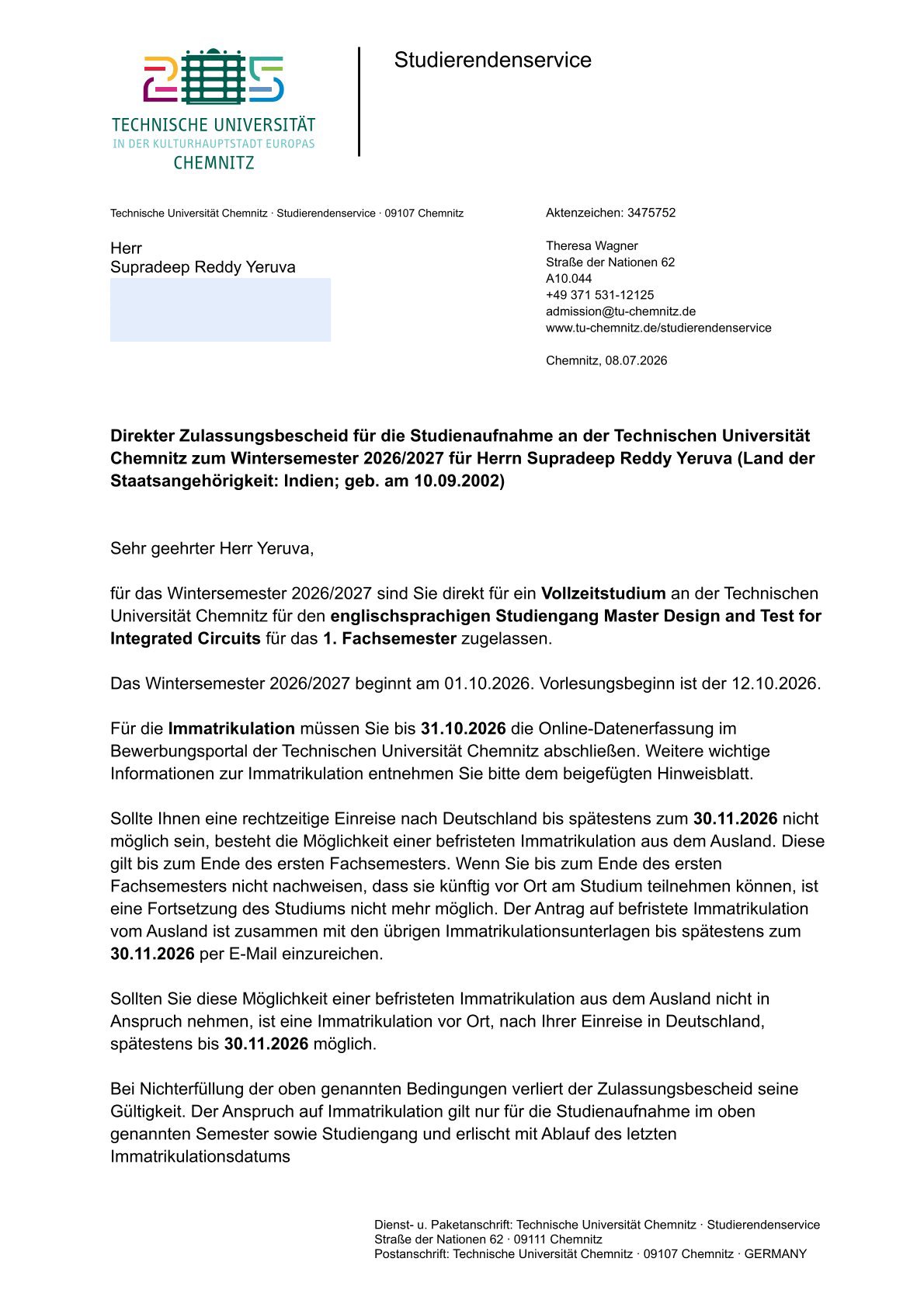
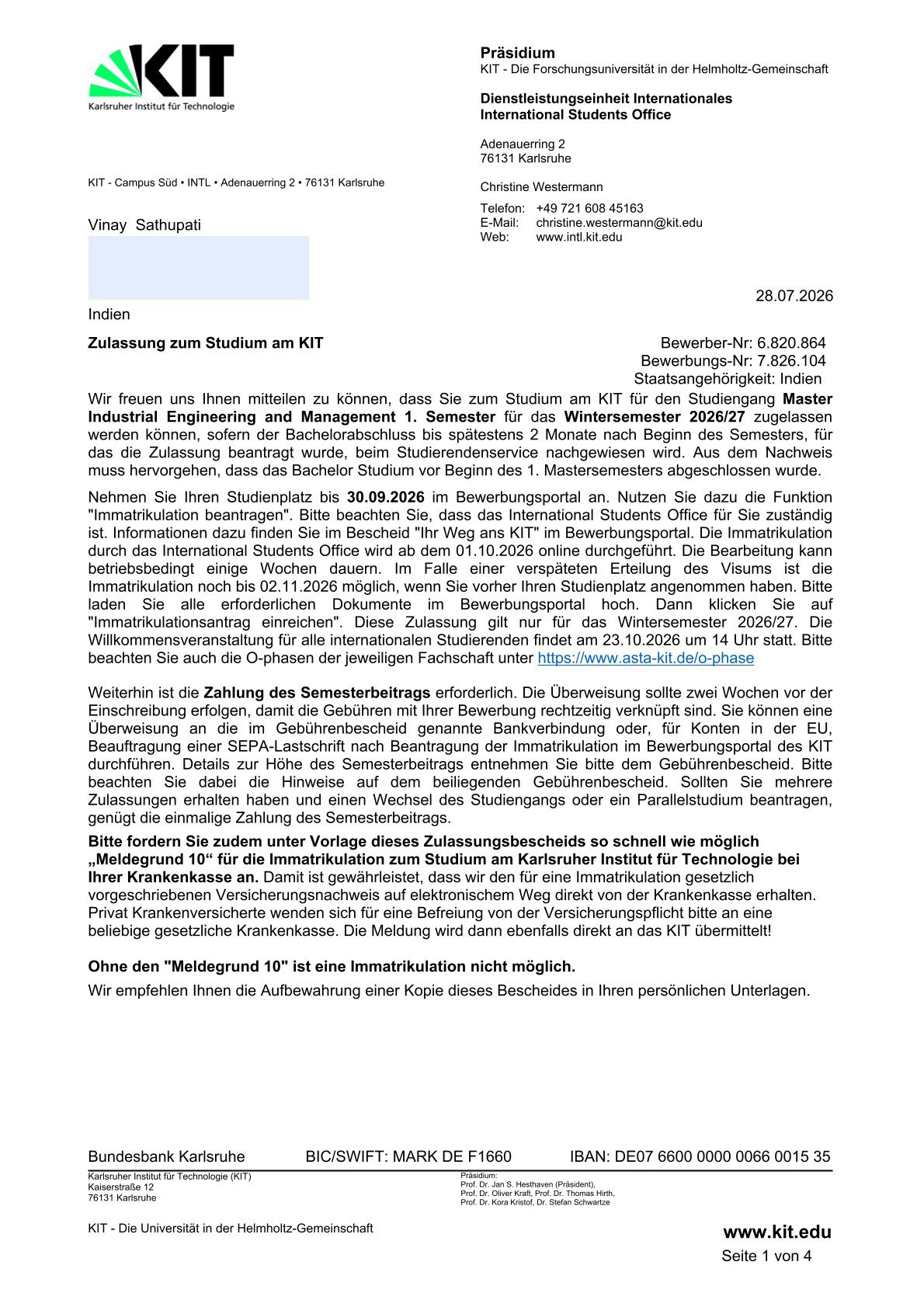
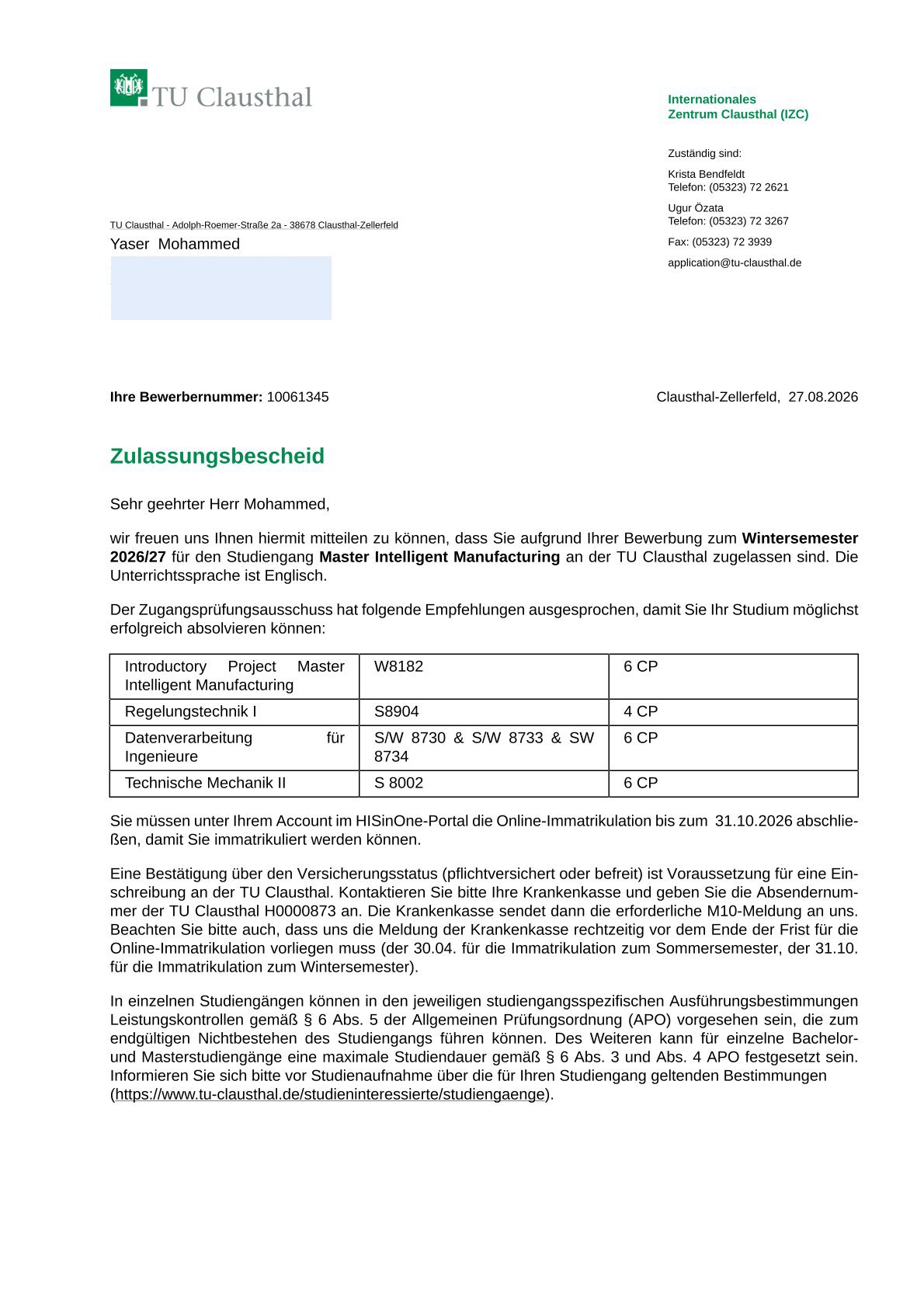
Admission letters for Winter 2026

GERMANY • PUBLIC UNIVERSITY

Ready to study in a German Public University?

Start your Journey with MissionGermany

University building in Germany

Some Words Of Our Success

What Does MissionGermany Do For You?

Starting from genuine counseling and right guidance throughout your journey toward studying in Germany. Follow a realistic and personalized approach based on your academic profile and eligibility. Take the right steps to secure admission to a German public university.

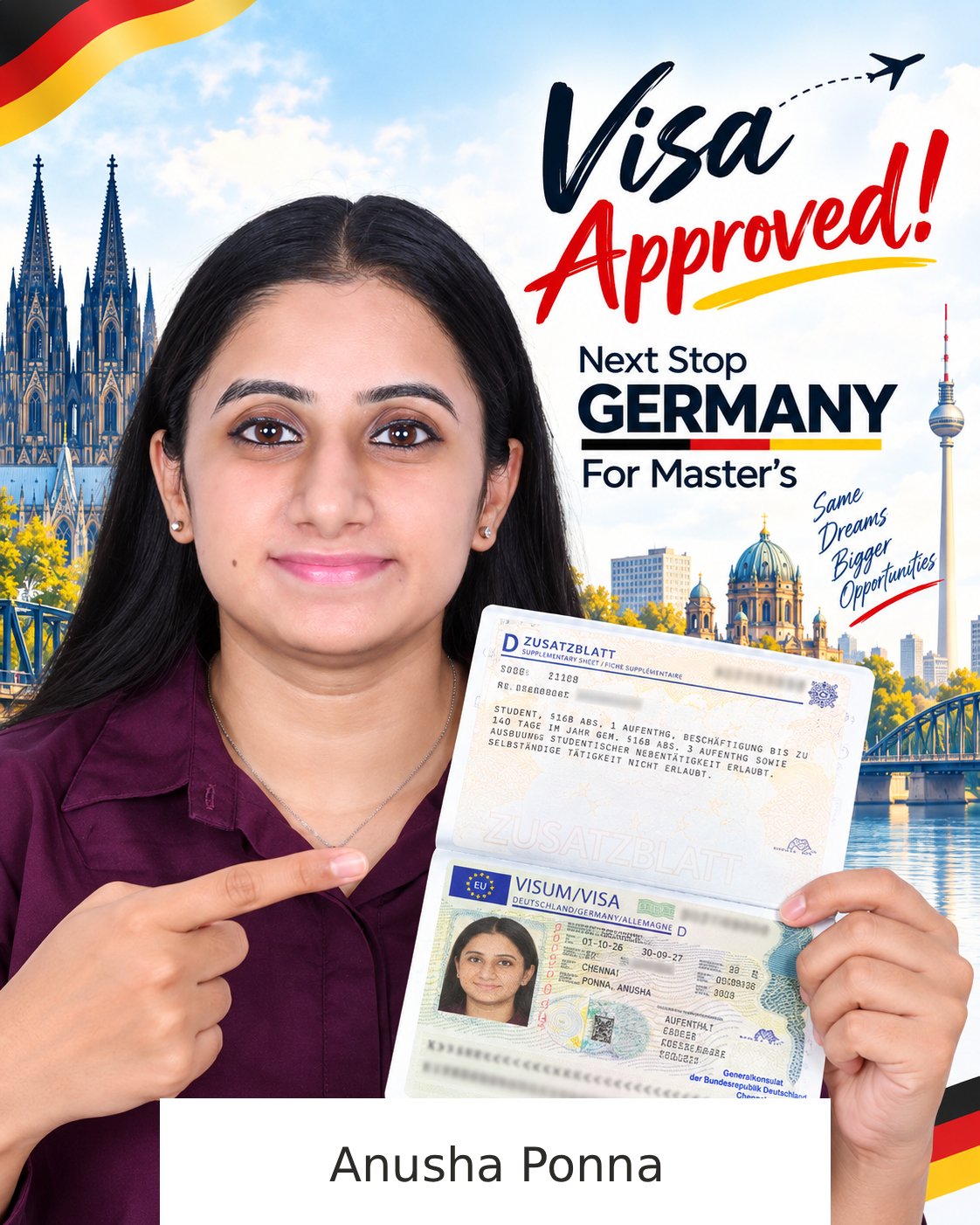
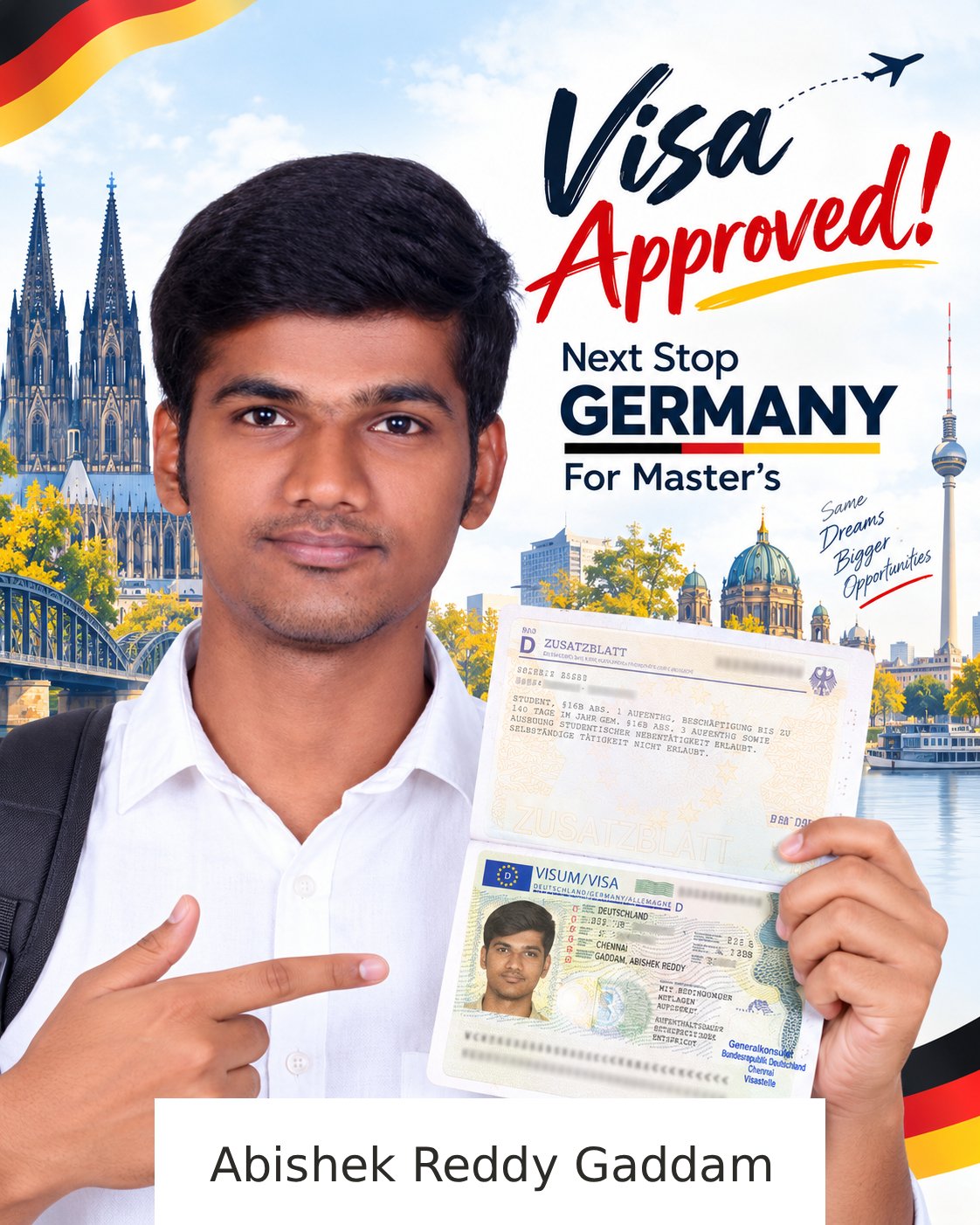
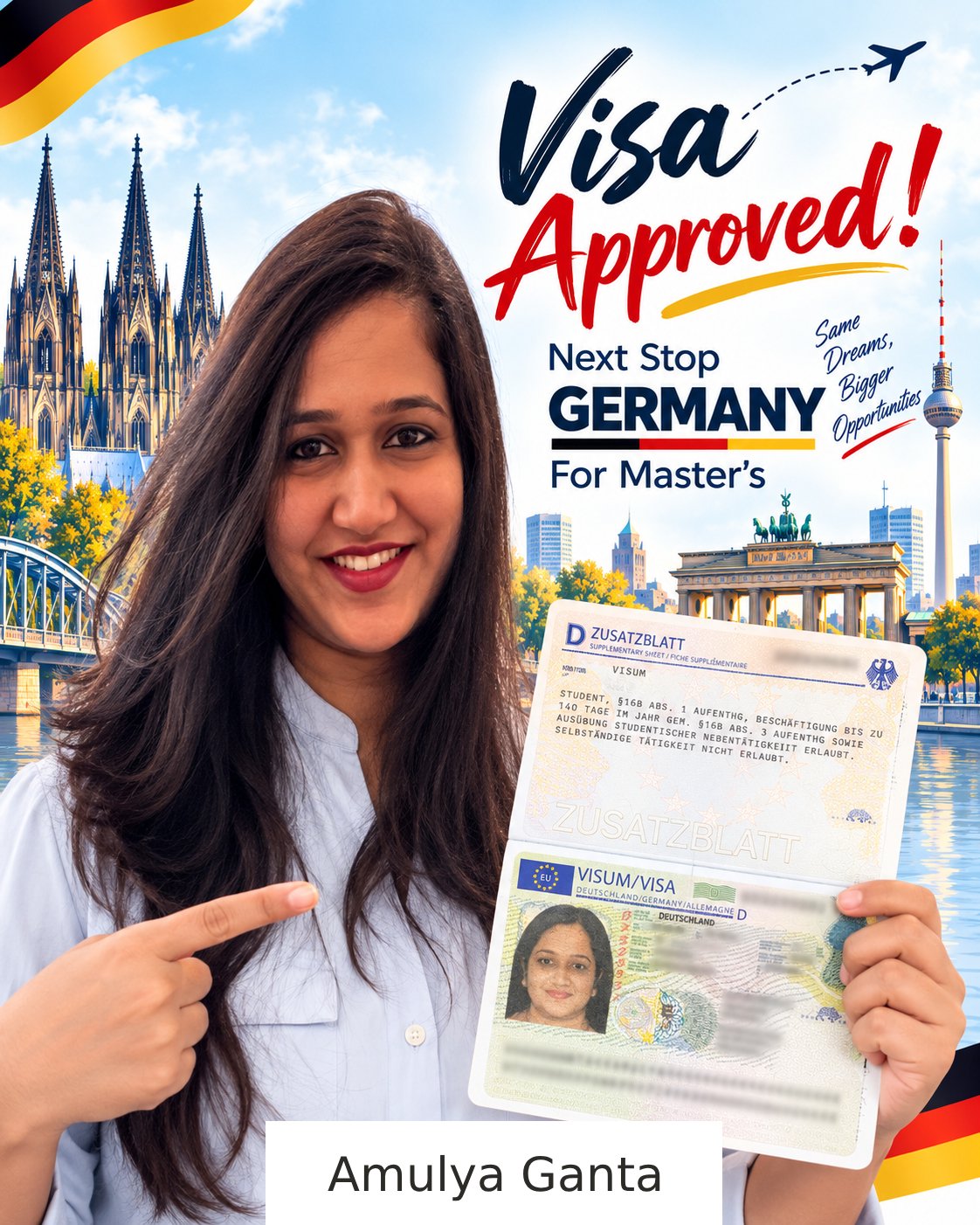
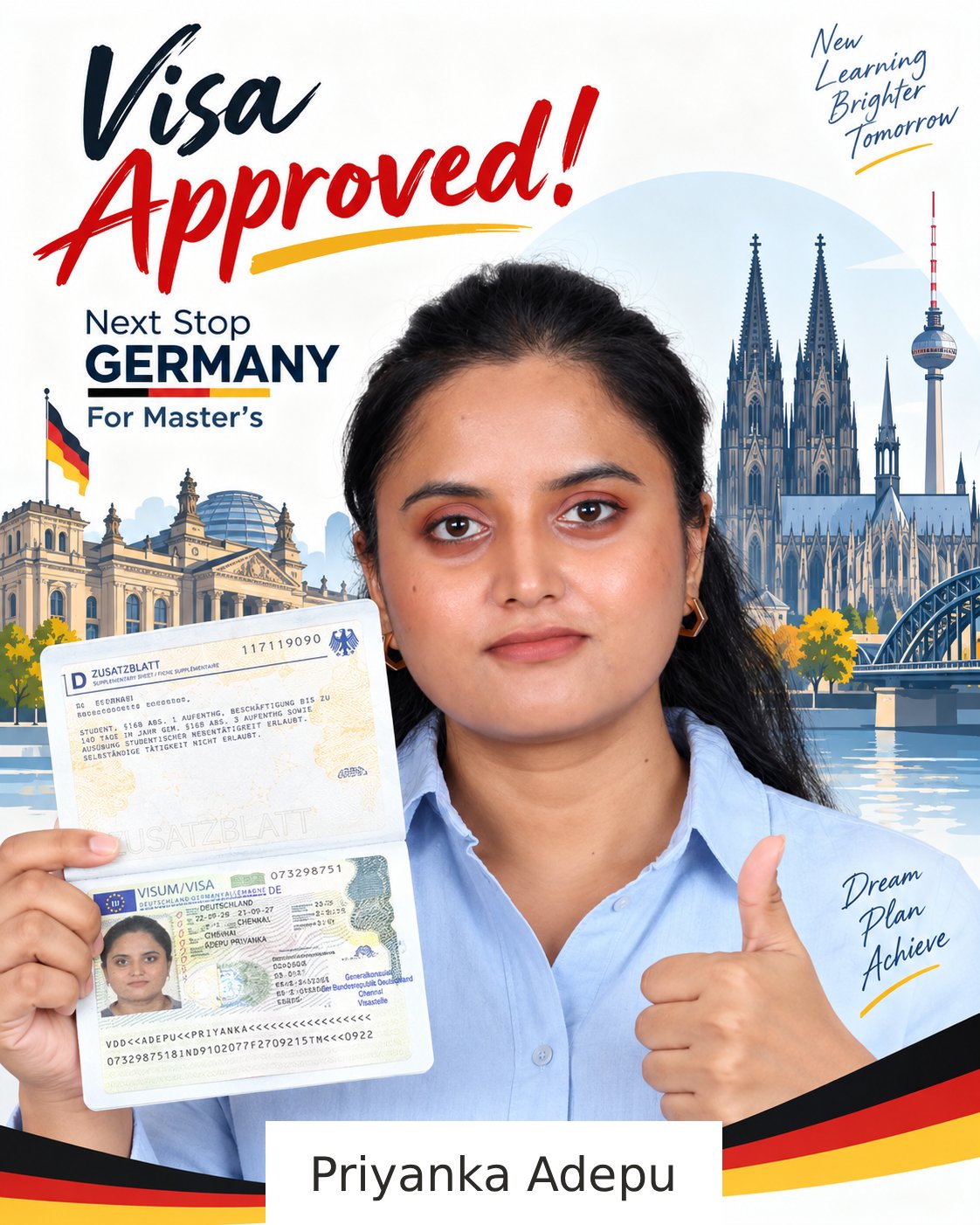
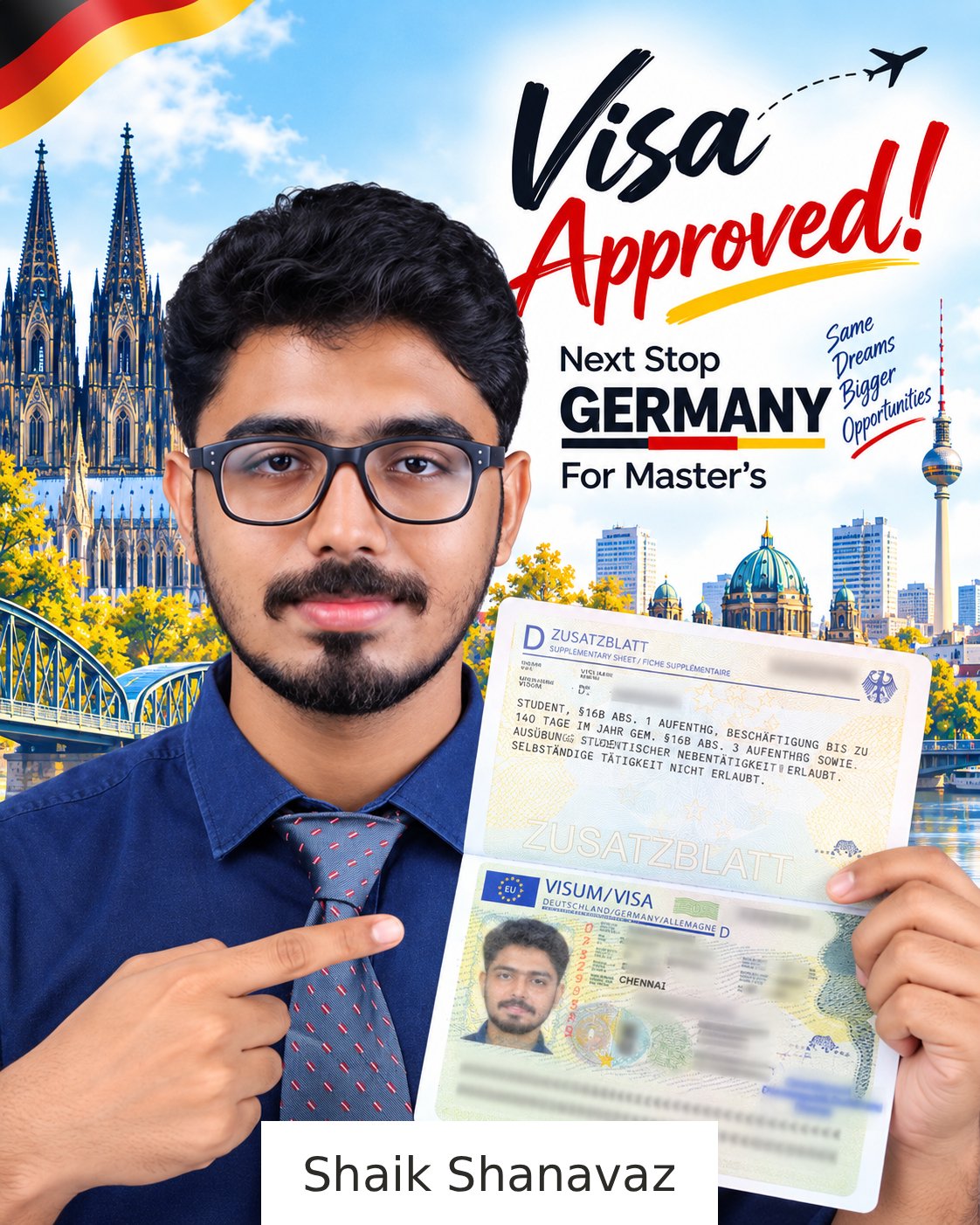
Some Visa Approvals for Winter 2026

What Does MissionGermany Do For You?

Your Germany journey starts with the right decision. We don’t just submit applications. We help you understand your options, choose suitable public universities, prepare your applications and move step-by-step towards your goal of studying in Germany.

Profile Evaluation
STEP

01

01

Profile Evaluation

We first understand your academic background. We check your marks, degree, subjects and qualifications. We also consider your language level and future career plans. This helps us understand which study options may be suitable for you.
02

University & Course Selection

We help you identify suitable German public universities. We look at courses that match your educational background. We explain the course structure, duration and admission requirements. We help you understand which options are realistic for your profile.
University & Course Selection
STEP

02

Eligibility Check
STEP

03

03

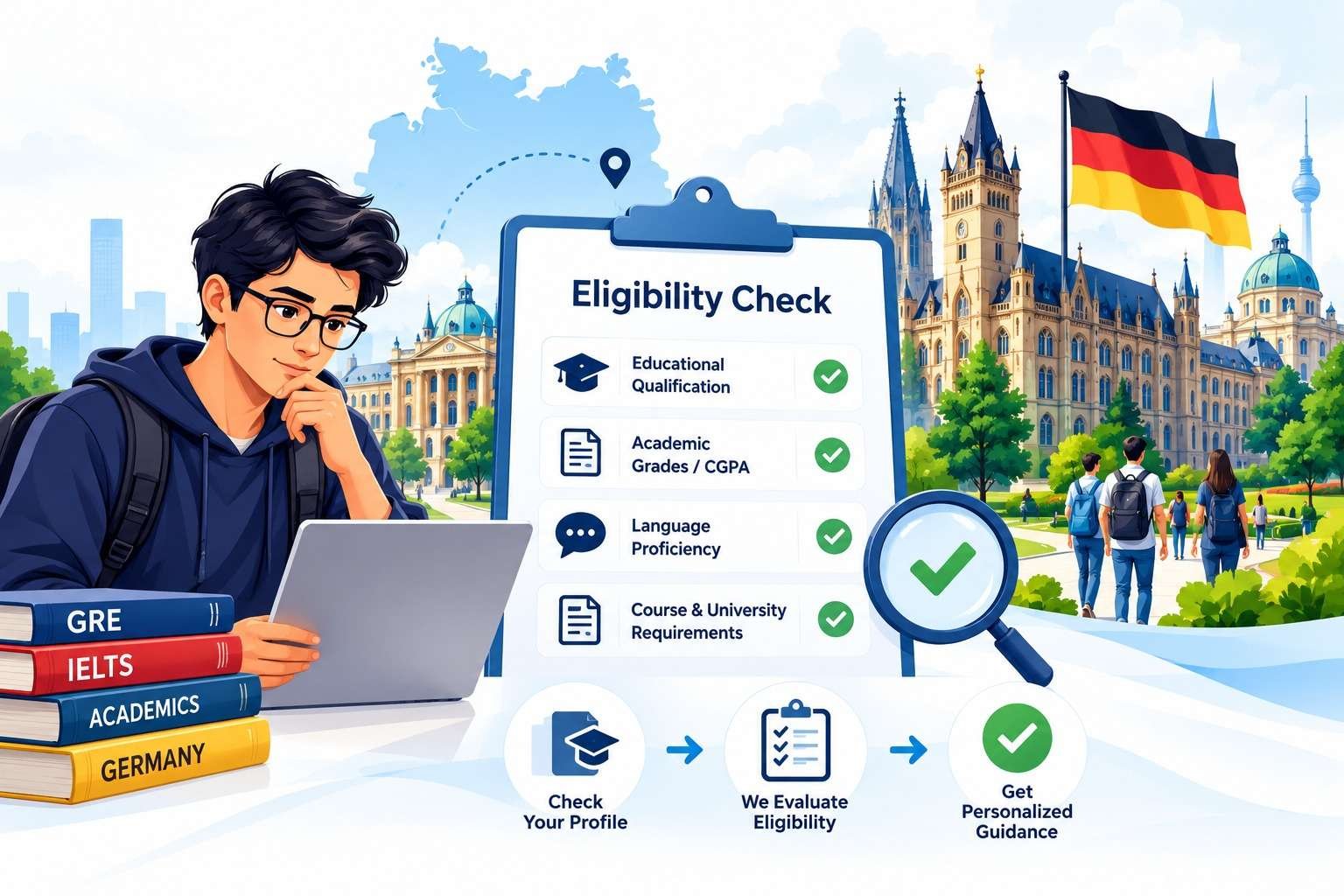
Eligibility Check

Every German university can have different admission requirements. We check your eligibility before you apply. This may include your subjects, grades, ECTS credits and previous qualification. This helps reduce the risk of applying to unsuitable programs.
04

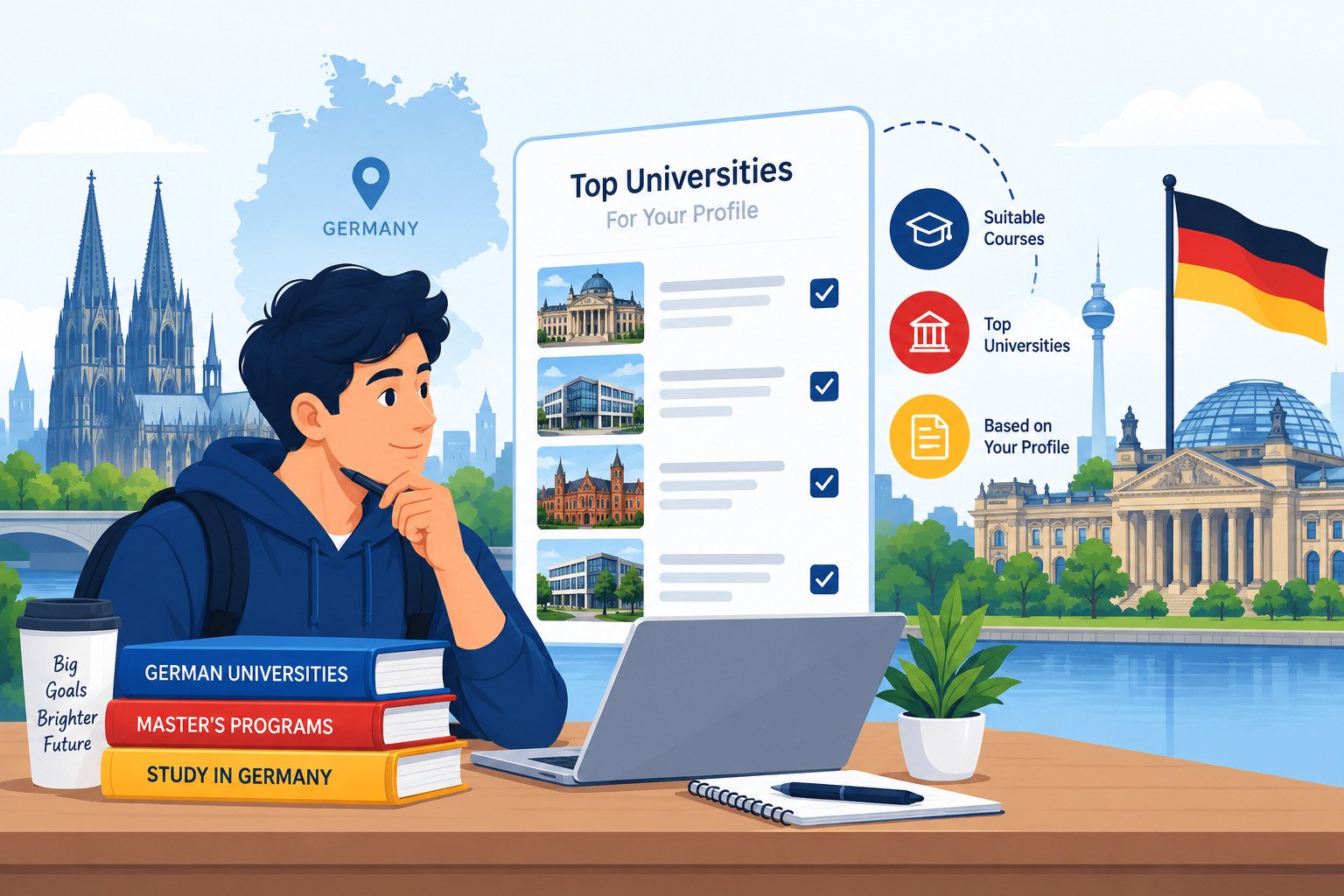
University Shortlisting

We prepare a practical list of universities and courses. The final list depends on your individual profile and the actual admission requirements.
University Shortlisting
STEP

04

dMAT Guidance
STEP

05

05

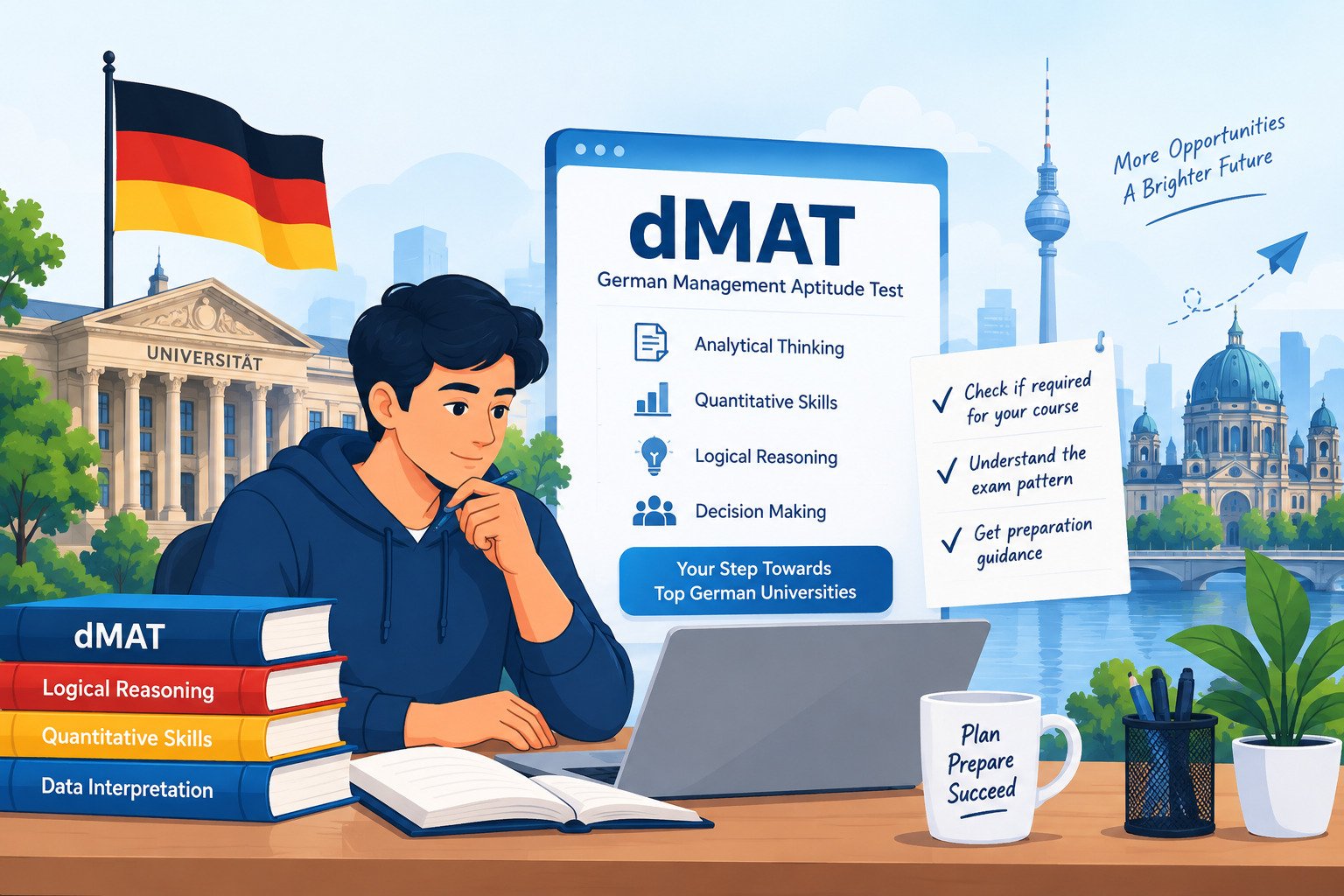
dMAT Guidance

Some students may need to take the dMAT examination, depending on the program and university requirements. We help you understand whether dMAT applies to your completed course.
06

APS Certificate Guidance

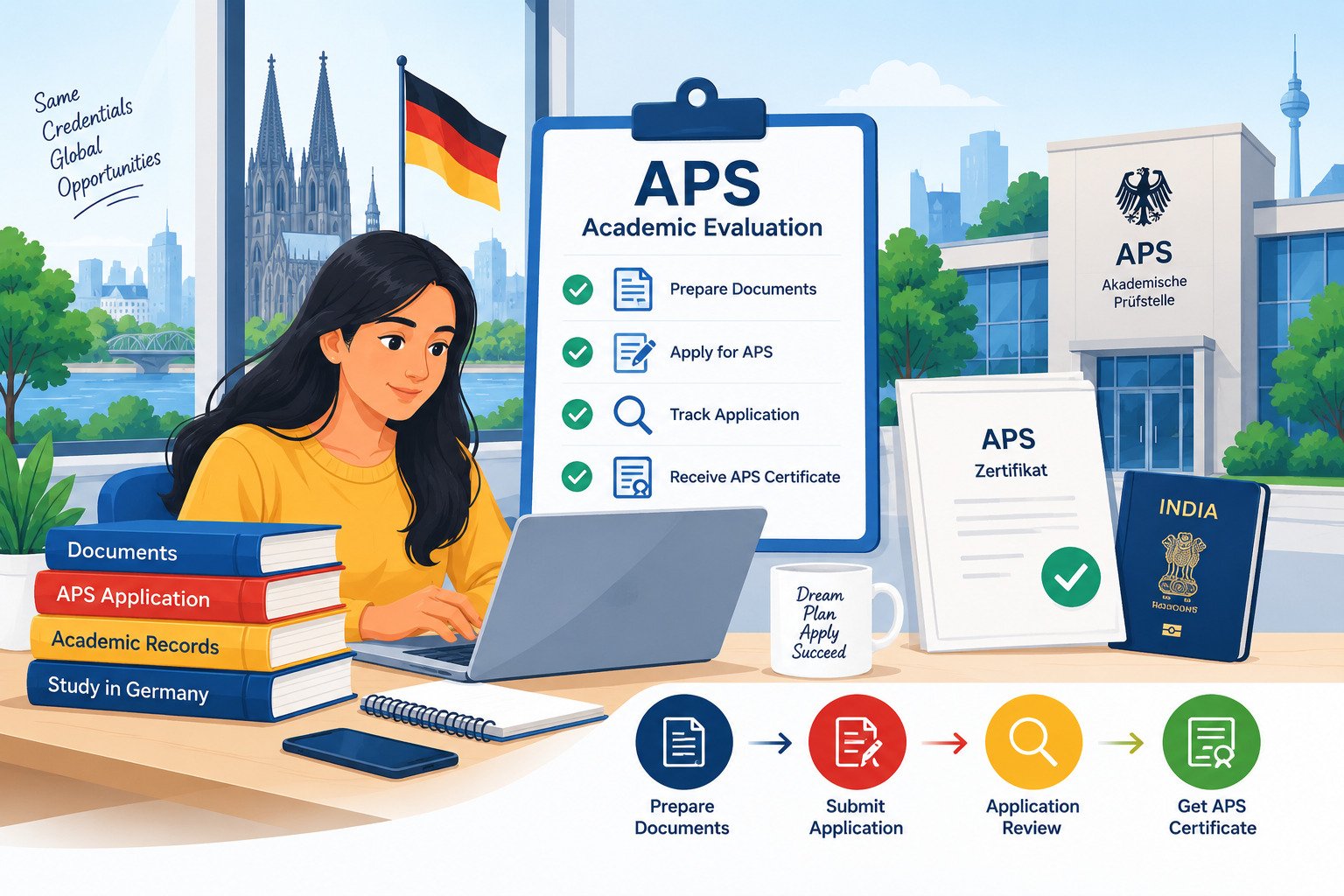
Indian students applying for many German university programs need an APS Certificate. We take responsibility for your APS application process. We help you understand the documents and steps required.
APS Certificate Guidance
STEP

06

German Language Guidance
STEP

07

07

German Language Guidance

Some programs are taught in English, while others are taught in German. We explain the language requirements of your selected course.
08

Application Planning

Different universities have different application deadlines. Some applications are made through uni-assist, while others are submitted directly to the university. We plan and submit your applications in the right manner at the right time to avoid missing important deadlines.
Application Planning
STEP

08

Document Preparation
STEP

09

09

Document Preparation

We guide you in preparing important documents such as:
  • Academic certificates
  • Mark sheets and transcripts
  • CV
  • Statement of purpose (SOP)
  • Recommendation letters, where required
  • Language certificates
  • APS-related documents
  • Other university-specific documents
10

Application Submission

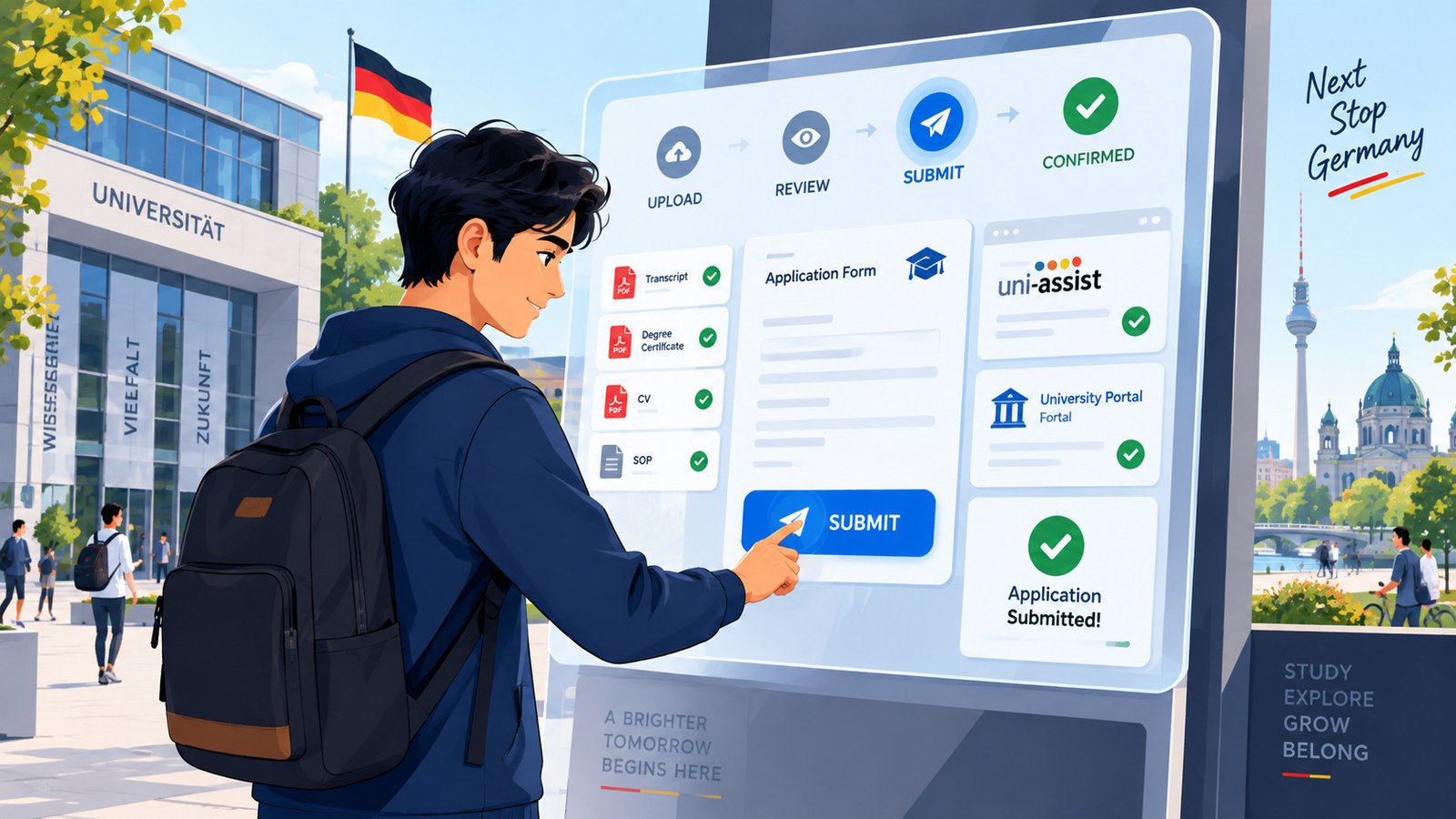
We help you complete your applications correctly. Applications are submitted through uni-assist or the university's official portal, depending on the university. We check the application before submission to minimise avoidable errors.
Application Submission
STEP

10

Application Tracking
STEP

11

11

Application Tracking

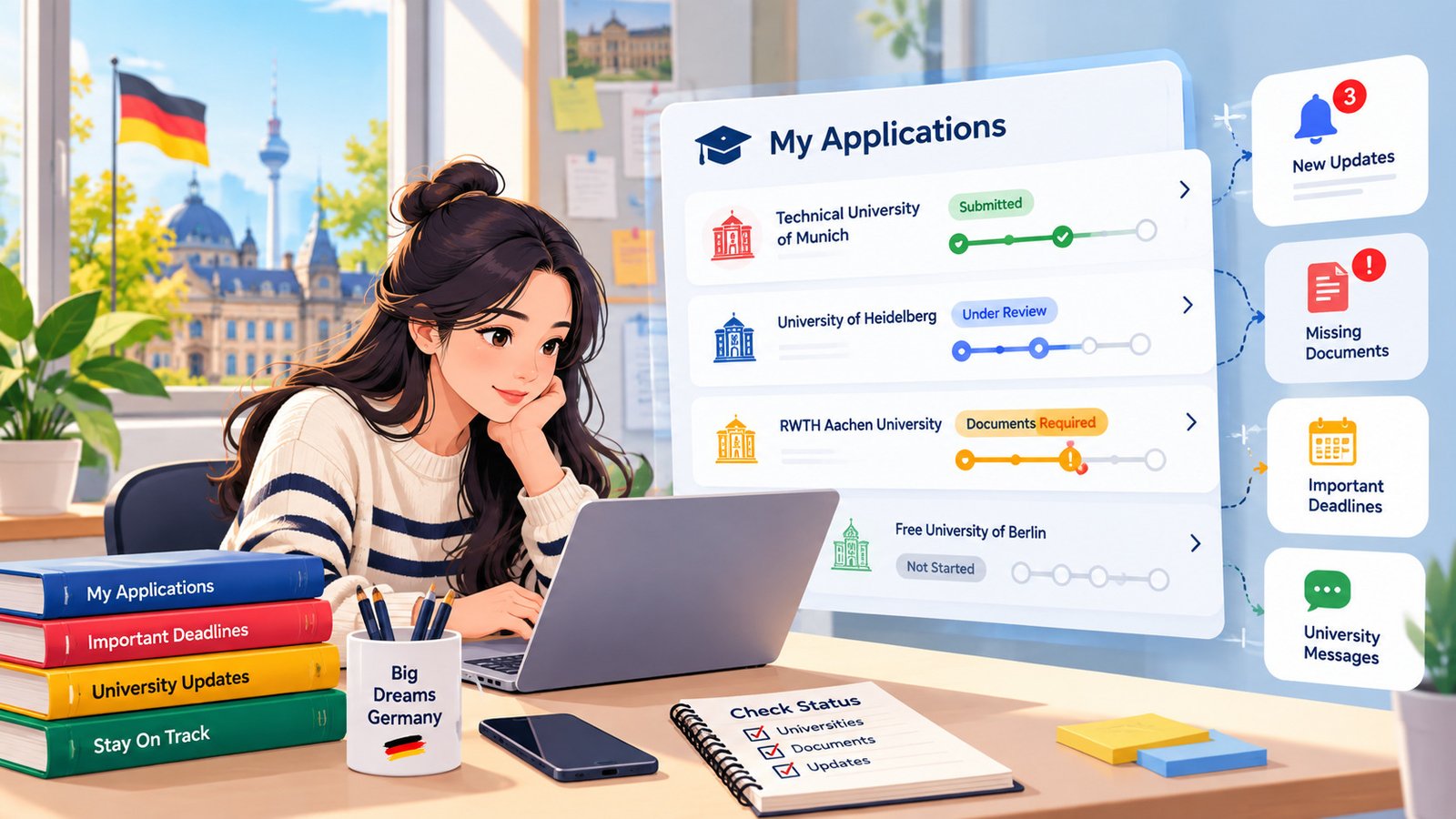
After submission, we keep track of the application process. We help monitor:
  • Application status
  • Missing documents
  • Additional requirements
  • Important deadlines
  • University communication
12

Admission Support

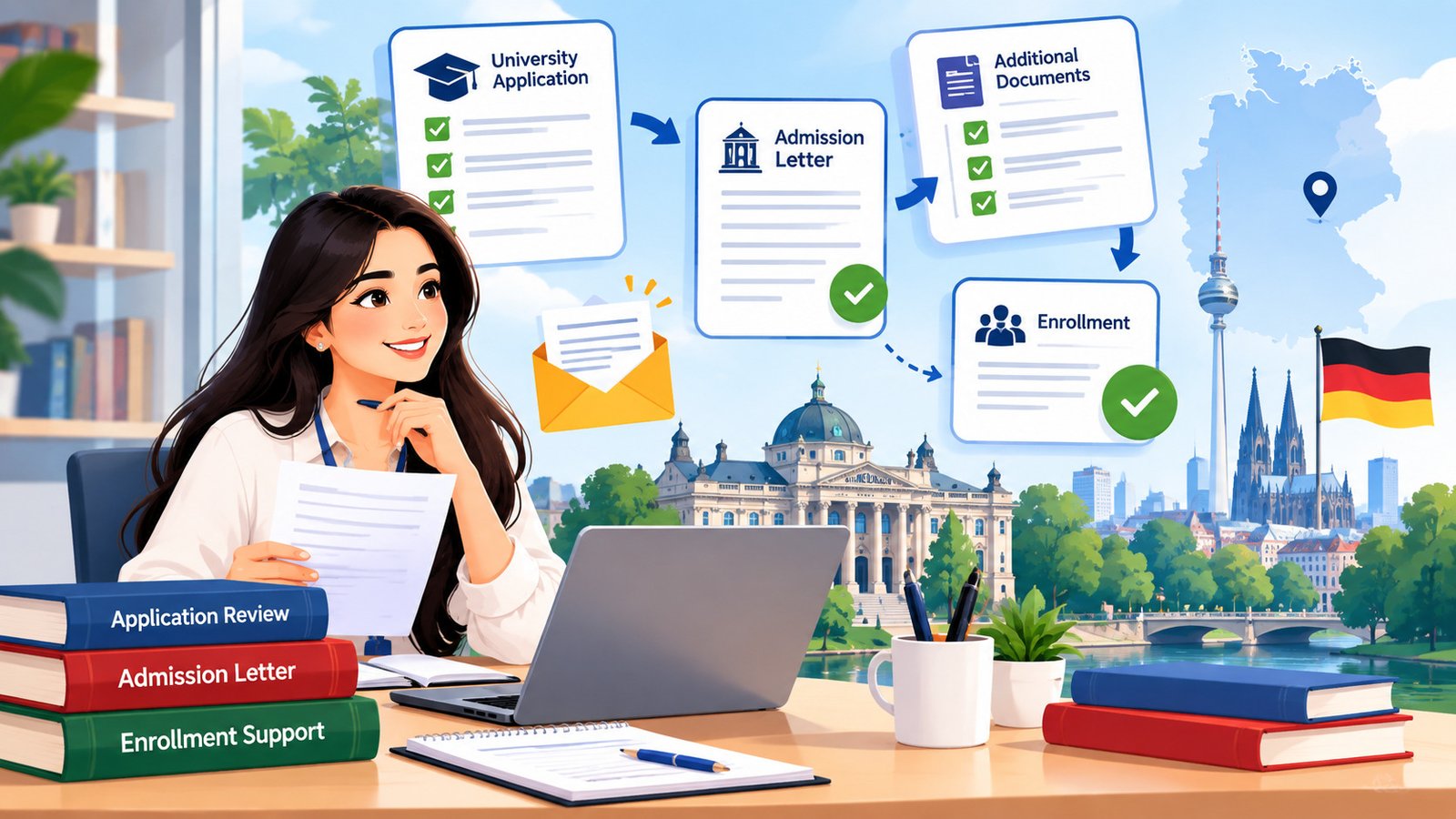
Once you receive a university response, we help you understand it. We explain your admission letter or conditional admission. If the university asks for additional documents, we guide you on the next steps. We help you get enrolled to the university.
Admission Support
STEP

12

Student Visa Guidance
STEP

13

13

Student Visa Guidance

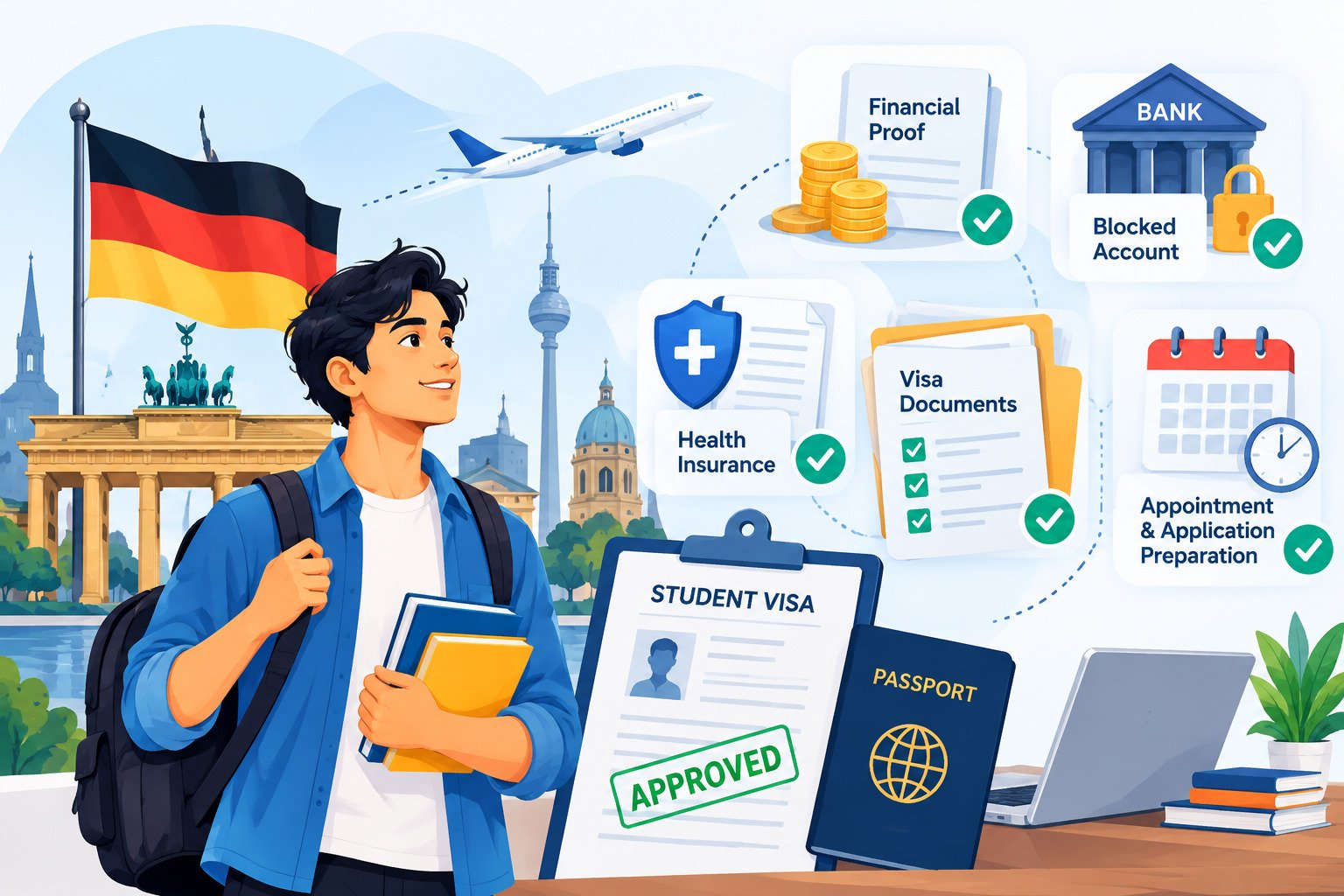
We are responsible for your German student visa process. This includes arranging:
  • Financial proof
  • Blocked account
  • Health insurance
  • Visa documents
  • Appointment and application preparation
14

Financial Planning

Studying at a German public university can be much more affordable than many private universities. However, “low or no tuition fee” does not mean studying in Germany is completely free.
Financial Planning
STEP

14

Accommodation Guidance
STEP

15

15

Accommodation Guidance

Finding accommodation in Germany can be challenging, especially in popular student cities. We also explain what students should look for before accepting accommodation.
16

Pre-Departure Support

Before you leave India, we help you prepare for Germany. We provide guidance regarding:
  • Travel preparation
  • Accommodation
  • Packing list etc
Pre-Departure Support
STEP

16

Post-Arrival Guidance
STEP

17

17

Post-Arrival Guidance

Our support does not necessarily end when you land in Germany. We provide initial guidance regarding important formalities. This may include:
  • City registration
  • University enrolment
  • Health insurance
  • Banking
  • Other initial requirements
18

Transparent Fees

We clearly explain our consultancy/service charges. Students should always know what they are paying for.
Transparent Fees
STEP

18

No Fake Promises
STEP

19

19

No Fake Promises

We do not promise 100% admission. University admission is decided by the university. Visa decisions are made by the relevant German authorities.
20

Information from Official Sources

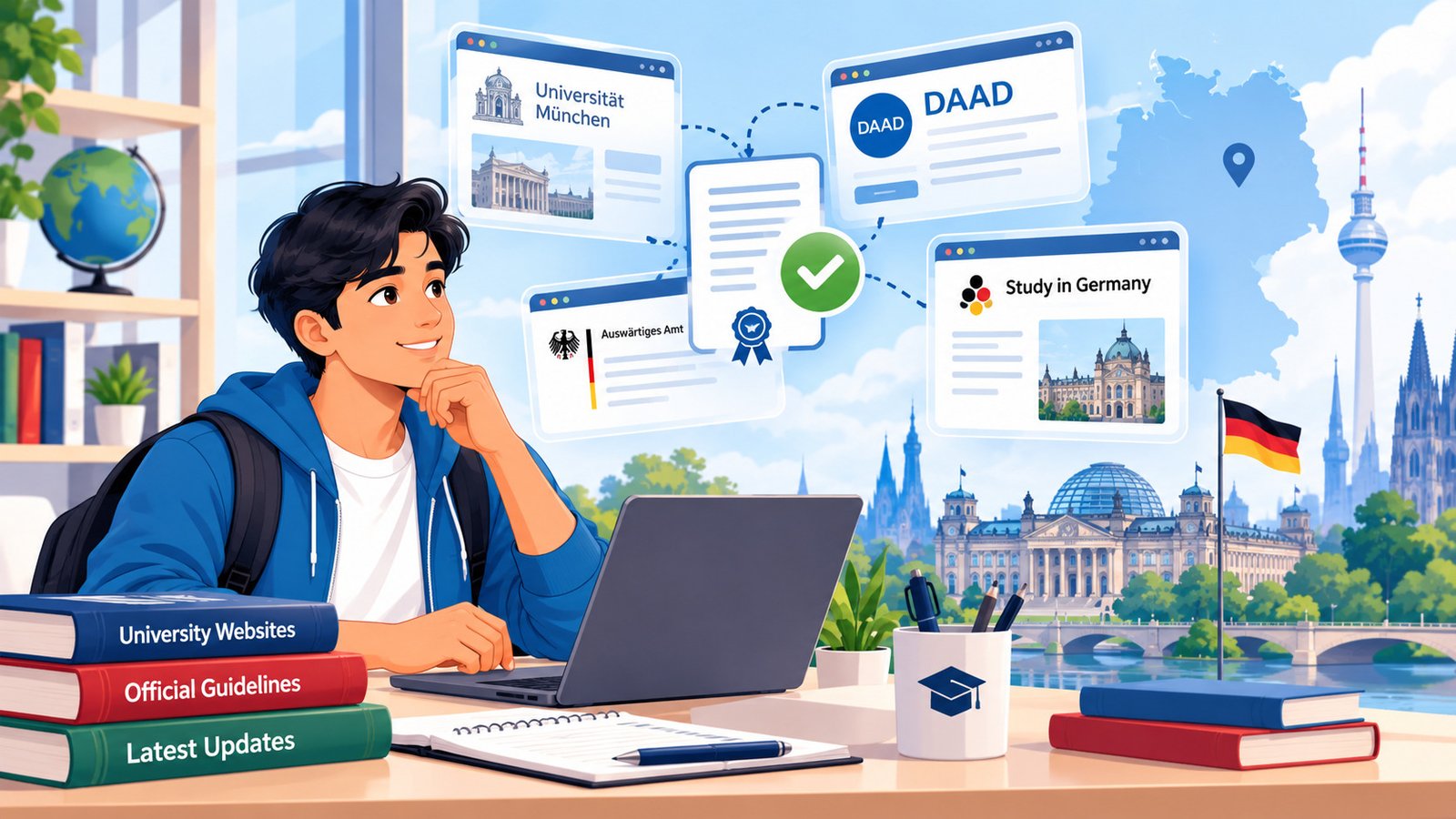
Admission requirements can change from one university to another. Rules and deadlines can also change. We aim to provide guidance based on the latest available official information. MissionGermany aims to support students through the complete journey:

Profile Evaluation
 → Course & University Selection
 → Language & Test Guidance → APS & Document Guidance
 → University Shortlisting → Application Preparation → University Applications → Application Tracking → Admission Support
 → Visa Guidance → Accommodation Guidance → Pre-Departure Support → Arrival & Initial Guidance in Germany

Information from Official Sources
STEP

20

What Does MissionGermany Do For You?

Your Germany journey starts with the right decision.
We don’t just submit applications. We help you understand your options, choose suitable public universities, prepare your applications and move step-by-step towards your goal of studying in Germany.

We first understand your academic background. We check your marks, degree, subjects and qualifications. We also consider your language level and future career plans. This helps us understand which study options may be suitable for you.

We help you identify suitable German public universities. We look at courses that match your educational background. We explain the course structure, duration and admission requirements. We help you understand which options are realistic for your profile.

Every German university can have different admission requirements. We check your eligibility before you apply. This may include your subjects, grades, ECTS credits and previous qualification. This helps reduce the risk of applying to unsuitable programs.

We prepare a practical list of universities and courses. The final list depends on your individual profile and the actual admission requirements.

Some students may need to take the dMAT examination, depending on the program and university requirements. We help you understand whether dMAT is applicable to your chosen course.

Indian students applying for many German university programs need an APS Certificate. We guide you through the APS application process. We help you understand the documents and steps required.

Some programs are taught in English, while others are taught in German. We explain the language requirements of your selected course.

Different universities have different application deadlines. Some applications are made through uni-assist, while others are submitted directly to the university. We help you plan where and when to apply. This helps you avoid missing important deadlines.

We guide you in preparing important documents such as:
  • Academic certificates
  • Mark sheets and transcripts
  • CV
  • Statement of purpose (SOP)
  • Recommendation letters, where required
  • Language certificates
  • APS-related documents
  • Other university-specific documents

We help you complete your applications correctly. Applications are submitted through uni-assist or the university's official portal, depending on the university. We check the application before submission to minimise avoidable errors.

After submission, we keep track of the application process. We help monitor:
  • Application status
  • Missing documents
  • Additional requirements
  • Important deadlines
  • University communication

Once you receive a university response, we help you understand it. We explain your admission letter or conditional admission. If the university asks for additional documents, we guide you on the next steps. We help you get enrolled to the university.

We guide you through the German student visa process. This includes guidance regarding:
  • Financial proof
  • Blocked account
  • Health insurance
  • Visa documents
  • Appointment and application preparation

Studying at a German public university can be much more affordable than many private universities. However, “low or no tuition fee” does not mean studying in Germany is completely free.

Finding accommodation in Germany can be challenging, especially in popular student cities. We also explain what students should look for before accepting accommodation.

Before you leave India, we help you prepare for Germany. We provide guidance regarding:
  • Travel preparation
  • Accommodation
  • Packing list etc

Our support does not necessarily end when you land in Germany. We provide initial guidance regarding important formalities. This may include:
  • City registration
  • University enrolment
  • Health insurance
  • Banking
  • Other initial requirements

We clearly explain our consultancy/service charges. Students should always know what they are paying for.

We do not promise 100% admission. University admission is decided by the university. Visa decisions are made by the relevant German authorities.

Admission requirements can change from one university to another. Rules and deadlines can also change. We aim to provide guidance based on the latest available official information. MissionGermany aims to support students through the complete journey:

Profile Evaluation
 → Course & University Selection
 → Language & Test Guidance → APS & Document Guidance
 → University Shortlisting → Application Preparation → University Applications → Application Tracking → Admission Support
 → Visa Guidance → Accommodation Guidance → Pre-Departure Support
 → Arrival & Initial Guidance in Germany

Your Journey to Germany

01

Profile Evaluation

02

Course & University Selection

03

Language & Test Guidance

04

APS & Document Guidance

05

University Shortlisting

06

Application Preparation

07

University Applications

08

Application Tracking

09

Admission Support

10

Visa Guidance

11

Accommodation Guidance

12

Pre-Departure Support

13

Arrival & Initial Guidance in Germany

Study in Germany

Why Master's in Germany Is a Good Option for Indian Students?

Germany can be a smart choice for Indian students who want quality education without the high tuition costs often associated with studying abroad. Pursuing a Master's in Germany offers a wide range of academic, career, and lifestyle benefits.

01

Free / Affordable Tuition Fees

Many public universities in Germany offer Master's programs with no or relatively low tuition fees, making higher education more accessible for international students.

02

Affordable Cost of Living

Compared with several other popular study destinations, Germany can offer students a relatively manageable cost of living with various accommodation and lifestyle options.

03

Career Opportunities After Graduation

Germany has a strong economy and a wide range of industries, providing graduates with opportunities to explore careers aligned with their qualifications and skills.

04

Post-Study Work Opportunities

International graduates have an option to remain in Germany for a period of 18 months after completing their studies to look for a suitable employment, subject to applicable immigration rules.

05

English-Taught Master's Programs

Students can find numerous Master's programs taught in English, allowing international applicants to pursue higher education without needing to be fluent in German from the beginning.

06

Practical & Industry-Oriented Education

German higher education often combines academic knowledge with practical learning, projects, internships, and industry-focused approaches.

07

State-of-the-Art Research Facilities

Germany is home to universities and research institutions offering access to advanced laboratories, technologies, research projects, and academic resources.

08

Globally Recognized Qualifications

German universities have a strong international reputation, and their qualifications can support students pursuing academic and professional opportunities globally.

09

Safe, High-Quality Student Life

Students can benefit from a well-developed infrastructure, public transportation, cultural diversity, and a high standard of living while studying in Germany.

How to Choose the Right Public University for a
Master’s in Germany?

Don't choose a German university only because it is “free.”
Choose it based on COURSE + ELIGIBILITY + CAREER OPPORTUNITIES + LOCATION + COST OF LIVING.

MissionGermany prepares a personalized shortlist of suitable public universities based on the student's academic profile and career goals.

01

Check Course Eligibility

Make sure your Bachelor’s degree, subjects and credits meet the university’s requirements.

02

Choose the Right Specialisation

Select a Master’s program that matches your previous degree, experience and long-term career goals.

03

Check Course Curriculum

Compare modules, electives, practical training, projects and thesis opportunities.

04

Check Language of Instruction

Confirm whether the program is taught in English, German, or both, and check the required language certificate.

05

Check Tuition Fees

Prioritize public universities with no or low tuition fees, while remembering that semester contributions still apply.

06

Check University Requirements

Review GPA/grade requirements, ECTS, prerequisite subjects, work experience and other conditions.

07

Check Admission Type

Determine whether admission is open admission (zulassungsfrei) or restricted/competitive (NC or selection procedure).

08

Check Application Method

Find out whether you must apply through uni-assist or directly through the university.

09

Check Application Deadlines

Compare deadlines carefully, especially for Winter and Summer Semester.

10

Check Location

Consider whether the university is located in a major city, industrial region or smaller student city.

🇩🇪 Masters in Germany

Ready to Start Your Masters in Germany Journey in Germany Public University ?

Receive personalized guidance from eligibility assessment, University shortlisting, documentation, University admission to VISA guidance.

Free Eligibility Assessment
University Shortlisting
ViSA Assistance
End-to-End Admission Guidance
950+

Students Guided

125 Universities

We work across Germany

Professional team

Qualified and Experienced team

Some Informative Blogs

Loading latest posts...
STUDY IN GERMANY

Total Expenses for your journey of Master's in Germany

Plan your budget with this quick overview of the major expenses involved in studying in Germany.

01
APS Certificate
₹18,000
02
dMAT
€150
03
IELTS / TOEFL
₹15,000 – ₹19,000
04
GRE
$249
05
German Language Training
₹25,000 Approx.
06
University Application Fees
€0 – €100 / application
07
Uni-assist / VPD Fees
€0 – €75 / application
08
Document Preparation & Attestations
₹2,500
09
Blocked Account / Financial Proof
€11,904 / one year
10
Student Visa Fee
€75 / ₹8,400
11
Semester Contribution
€150 – €350 / semester
12
Air Ticket – India to Germany
₹30,000 – ₹50,000+
13
Accommodation Deposit / Initial Setup
€500 – €700+
14
Initial Living & Settlement Expenses
€500 – €1,000+
15
Tuition Fee
€0 at most public universities, but exceptions
Student Living Guide

Cost of Living in Germany for Indian Master’s Students

For an Indian student pursuing a Master’s at a German public university, tuition may be very low or zero at many public universities, but living expenses still need to be planned carefully.

Monthly Expenses – Approximate

01

Accommodation

€350–€700
  • Student dormitory: approximately €250–€500
  • Shared apartment (WG): approximately €350–€650
  • Private apartment: €600+
  • Major cities such as Munich, Frankfurt and Hamburg can be considerably more expensive.

02

Food & Groceries

€200–€300
  • Cooking at home is the most economical option.
  • Eating out regularly can significantly increase expenses.
03

Health Insurance

€120–€150
  • Health insurance is compulsory for students.
  • The exact contribution depends on the insurance provider and circumstances.
04

Transportation

€30–€70
  • Students can generally benefit from the Deutschlandsemesterticket, depending on their university/semester arrangement.
  • This can provide substantial savings on local and regional public transport.
05

Phone & Internet

€15–€40
06

Study Materials

€20–€50
  • Books, printing, stationery and other academic expenses.
07

Personal Expenses

€50–€150
  • Clothing, entertainment, gym, outings and other personal requirements.
08

Miscellaneous / Emergency

€50–€100
  • It is advisable to maintain some additional money for unexpected expenses.

Estimated Monthly Budget

Accommodation
€350–€700
Food
€200–€300
Health Insurance
€120–€150
Transport
€30–€70
Phone / Internet
€15–€40
Study Materials
€20–€50
Personal Expenses
€50–€150
Miscellaneous
€50–€100
€
Total
Estimated monthly living expenses
≈ €835–€1,560/month

Part-Time Jobs for Indian Students in Germany

Indian students studying in Germany can take up a variety of part-time jobs while studying.

Indian student working part-time in Germany
WORKING RULES

How Many Hours Can Students Work?

For students from outside the EU, including India, the current rules generally allow 140 full working days or 280 half-days per year, or alternatively up to 20 hours per week during the lecture period. During semester breaks, different rules apply.

Indian students studying in Germany can take up a variety of part-time jobs while studying.

German Language Skills Make a Major Difference

Jobs such as restaurants, retail and customer service often require German, while many IT, engineering, research and international-company jobs can be available in English.

CAREER OPPORTUNITIES

Common Part-Time Jobs for Students

01

Working Student (Werkstudent)

Jobs related to your Master’s subject, such as IT, engineering, finance, business, data analysis, marketing, etc.

02

Student Assistant (HiWi)

Work at the university as a research, teaching or administrative assistant.

03

Research Assistant

Support professors and research projects, particularly useful for students planning a PhD.

04

Library Assistant

Work in university libraries with shelving, administration and student support.

05

Restaurant/Café Jobs

Waiter, kitchen assistant, cashier or service staff.

06

Supermarket Jobs

Cashier, shelf-stocking, warehouse and customer-service positions.

07

Delivery Jobs

Food and parcel delivery, subject to the applicable employment and residence rules.

08

Warehouse/Logistics Jobs

Packing, sorting, inventory and dispatch work.

09

Retail Jobs

Sales assistant, store assistant and customer-service roles.

10

Babysitting/Childcare

Suitable for students with relevant experience and language skills.

11

Tutoring

Teach English, mathematics, science, programming or other subjects you are qualified to teach.

12

Language Jobs

Translation, language tutoring or customer support, particularly if you know German and English.

13

Hotel Jobs

Reception, housekeeping, kitchen and service positions.

14

University Event Jobs

Temporary work at university events, conferences and student activities.

15

Call Centre/Customer Support

Particularly suitable for students with good German and English communication skills.

16

Internships

Internships related to your field can provide valuable German work experience.

Why Choose MissionGermany ?

MissionGermany does not “buy” you admission in a public university. It helps you avoid mistakes, choose suitable programmes, prepare a strong application and manage the complicated process from profile evaluation to visa preparation.

“Your Germany Master’s journey involves much more than simply filling an application form. MissionGermany helps you choose the right programme, understand eligibility, prepare your documents, meet deadlines and navigate the application and visa process—while keeping the final admission decision entirely with the university.

Why Choose MissionGermany

Frequently Asked Questions

Germany is one of the more affordable destinations for international students, particularly at public universities. Most Master's programmes at public universities do not charge tuition fees, although students are required to pay a semester contribution, which varies by university and location.

Students should also budget for living expenses, including accommodation, food, transportation, health insurance and other personal expenses. As a general guideline, students should plan for approximately €900–€1,200 per month, depending on the city and lifestyle.

Tuition fees may apply in certain cases in states such as Baden-Württemberg and Bavaria, so students should always check the specific university and programme.

Yes. International students from non-EU countries are permitted to work alongside their studies, subject to the applicable regulations.

Currently, students can generally work up to 140 full days or 280 half-days per year. Alternatively, during the lecture period, the rules also allow employment of up to 20 hours per week under the applicable framework. Student assistant positions at universities are treated differently under these rules.

However, students should not depend entirely on part-time employment to finance their studies. Adequate financial resources must be demonstrated for the visa/residence process and students should prioritise their academic commitments.

Yes. Health insurance is mandatory in Germany.

International students must have health insurance that meets German requirements and must provide proof of adequate coverage as required for their visa/enrolment process.

Students generally choose between statutory/public health insurance and eligible private insurance, depending on their circumstances. It is important to arrange the appropriate coverage before completing the relevant university and visa formalities.

Yes, graduates of German universities can have a pathway to permanent residence (settlement permit), but it is not automatic.

After completing a Master's degree, international graduates can generally obtain a residence permit for up to 18 months to look for qualified employment. Once they secure suitable employment, they can transition to an appropriate residence permit for skilled employment or an EU Blue Card, depending on their circumstances.

Graduates of German higher education institutions may apply for a settlement permit after more than two years of qualified employment, provided they meet the applicable requirements. These can include employment, pension contributions, German-language skills, sufficient living space and other legal requirements.

German universities generally provide a range of support services for international students. Depending on the university, these may include:

International Office / International Student Office
Orientation and welcome programmes
Academic counselling
Student advisory services
Buddy or mentoring programmes
Career counselling and job-search support
Assistance with registration and administrative procedures
Language and intercultural programmes
Student associations and cultural activities
Sports and recreational facilities
Support with accommodation and other practical matters

The exact services vary from university to university, so students should check the International Office and student services available at their chosen institution.

Not necessarily. Germany offers a large number of English-taught Master's programmes, particularly at the postgraduate level.

For an English-taught programme, students generally need to provide an accepted English-language qualification such as IELTS or TOEFL, depending on the university's requirements.

However, learning German is highly recommended because it can make everyday life easier and may improve internship, networking and employment opportunities.

APS stands for Academic Evaluation Centre. It verifies the authenticity and academic status of educational documents submitted by applicants from certain countries, including India.

For Indian students applying to Germany, APS is an important part of the admission and visa process where applicable. Students should begin the APS process early because document verification can take time.

The exact requirements should be checked with the current APS India guidelines and the student's individual circumstances.

dMAT (Digital Master Academic Test) is an additional academic assessment introduced for certain applicants from India from 2026 for the summer intake of 2027.

It is not required for every Master's applicant. Whether a student needs to take dMAT depends on factors such as the applicant's Bachelor's field, intended programme and applicable APS requirements.

Students should verify the latest dMAT requirements before starting the APS process, particularly for programmes where dMAT is applicable.

International students generally need to demonstrate that they have sufficient financial resources to cover their living expenses when applying for a German student visa.

One commonly used method is a blocked account (Sperrkonto). For 2026, the official requirement for study purposes is €11,904 for one year, equivalent to €992 per month, subject to the applicable visa rules. Other accepted forms of financial proof may also be available, such as certain scholarships or a declaration of commitment.

After successfully completing your Master's degree, if you have not yet secured qualified employment, you can generally apply for a residence permit for up to 18 months to search for qualified employment. During this period, the applicable rules allow you to work while looking for employment.

Once you secure suitable employment, you can apply for the appropriate residence permit for skilled employment or an EU Blue Card, depending on your eligibility.

Students should ideally begin preparing 6–12 months before the intended intake.

The preparation timeline may include:

Profile evaluation → Course selection → Language test → dMAT, if applicable → APS → Documentation → University applications → Admission → Visa preparation → Travel

Application deadlines vary significantly between universities and programmes. Some programmes have early deadlines, so students should check the official deadline for every shortlisted programme.

Yes. Many Master's programmes accept students directly after completing their Bachelor's degree.

However, work experience requirements vary by programme. Some specialised or professional Master's programmes may require relevant work experience, while many consecutive Master's programmes do not.

Students should check the specific admission requirements of each programme before applying.

It depends on the university, programme, academic background and equivalence of the degree.

Some German universities accept three-year Bachelor's degrees, while others may require a specific number of credits, a four-year Bachelor's degree or additional academic requirements.

Therefore, eligibility must be assessed individually for each university and programme.

Depending on the university and programme, applications may be submitted:

Directly through the university's application portal
Through uni-assist
Through uni-assist for a VPD (Vorprüfungsdokumentation) followed by an application to the university

The correct application route, documents and deadlines vary by university and programme.

After receiving an admission letter, students generally need to:

Review the admission conditions and deadlines.
Accept the offer, where required.
Complete university enrolment.
Pay the semester contribution or applicable tuition fees.
Arrange financial proof/blocked account as required.
Arrange health insurance.
Prepare the German student visa application.
Arrange accommodation.
Complete pre-departure preparations.
Travel to Germany and complete post-arrival formalities.

Yes. Germany provides a pathway for international graduates to remain in the country after graduation and seek qualified employment.

Graduates can generally apply for an 18-month residence permit for job searching if they have completed their studies and meet the applicable requirements. After securing qualified employment, they can move to the appropriate work residence status or EU Blue Card, subject to eligibility.

Live the Life & Career You’ve Always Dreamt About.

A smiling graduate in a black cap and gown holds a diploma tied with a German flag ribbon in front of the Technische Universität Berlin sign.
Contact Form Main

Book Consultancy

Get Free Consultation

Please fill the form & we will contact you shortly.

Contact Form Main

✓

Thank You!

Your form has been submitted successfully.
We will contact you shortly.