
The decision to pursue a medical or dental postgraduate specialization in the Federal Republic of Germany represents a significant turning point in a healthcare professional’s career. For many international medical and dental graduates, the German healthcare system—renowned for its structural precision, advanced technological integration, and robust social support—offers an unparalleled environment for clinical growth. However, the journey from graduation in one’s home country to becoming a recognized specialist (Facharzt or Fachzahnarzt) in Germany is paved with bureaucratic complexities, rigorous linguistic requirements, and a unique training model that differs substantially from the residency match systems found in the United States or the United Kingdom. This article addresses the most common challenges faced by international graduates, including navigating the licensing process (Approbation), selecting the federal state most conducive to rapid integration, and identifying which specialties offer the best long-term prospects in an evolving healthcare market. By providing a detailed, evidence-based roadmap, this guide aims to empower prospective residents to make informed decisions that align their clinical passions with Germany’s urgent demand for qualified healthcare personnel. The central question this guide addresses—Which PG course is best in Germany, Medical PG or Dental PG? —does not have a single answer, but the following sections will equip every reader with the tools to find their own.
The Structural Foundation of Postgraduate Medical Education in Germany
The German medical training system, known as Facharztausbildung, is fundamentally a salaried clinical residency rather than an academic postgraduate degree. Unlike many countries where postgraduate study involves university tuition fees and a student status, a resident in Germany—referred to as an Assistenzarzt—is a fully salaried employee of a hospital or accredited clinic. This model ensures that the professional is financially independent from the first day of their clinical contract, while simultaneously working toward a board certification that is recognized across the European Union and much of the international community.
The legal prerequisite for entering this training is the Approbation, which is the permanent license to practice medicine in Germany. For graduates from non-EU/EEA countries, the path to Approbation involves a rigorous equivalence assessment of their primary medical degree. If the German state authorities identify “significant differences” between the applicant’s domestic curriculum and the German standards, the candidate must pass the Kenntnisprüfung (KP), a medical knowledge examination. Before reaching the KP, however, every international doctor must demonstrate exemplary command of the German language through the Fachsprachprüfung (FSP), a specialized medical language exam.
| Requirement Category | Specific Standard / Document | Clinical Significance |
| General Language | B2 Level (Goethe/Telc/ÖSD) | Foundation for daily social and professional integration. |
| Medical Language | C1 Level (Fachsprachprüfung – FSP) | Mandatory for clinical communication and patient safety. |
| Academic Degree | MBBS / Primary Dental Degree | Basis for the Gleichwertigkeitsprüfung (equivalence check). |
| Medical License | Study Country Registration | Required to prove good standing and professional eligibility. |
| Clinical Knowledge | Kenntnisprüfung (if required) | Ensures clinical competency matches German MD standards. |
A common mistake made by many international applicants is underestimating the timeline for these regulatory steps. While the official processing time for document review might be three to four months, the practical reality—including exam scheduling and waiting lists—often extends the process to 12 or 18 months. Consequently, the “best” path often begins with early language preparation and a strategic selection of the federal state where one applies for licensure.
Comparative Analysis of Medical Specialties: Demand, Duration, and Training Pathways
When identifying the “best” Medical PG in Germany, one must balance personal interest with the realities of the labor market and the requirements set by the German Medical Association (Bundesärztekammer). The training duration for a Facharzt title typically ranges from 48 to 72 months (4 to 6 years), depending on the complexity and scope of the field. In 2025, the demand for specialists remains high across all sectors, but the 2025 Hospital Reform is beginning to shift the landscape by concentrating complex surgical and diagnostic procedures in specialized “Service Groups”.
High-Demand and Accessible Specialties
For international medical graduates, the most accessible entry points into the German system are Internal Medicine (Innere Medizin), Family Medicine (Allgemeinmedizin), and Psychiatry. These fields are characterized by high vacancy rates, particularly in smaller municipalities and rural districts. Internal Medicine is particularly versatile, as it serves as a core foundation for numerous sub-specialties.
| Specialty | Duration (Months) | Core Focus & Sub-specialties |
| Anatomy / Biochemistry | 48 | Academic and research-oriented pathways. |
| Family Medicine | 60 | Primary care, urgent in rural regions; offers practice subsidies. |
| Anesthesiology | 60 | Perioperative care, intensive care, and pain therapy. |
| Dermatology | 60 | Highly competitive; requires exceptional patient interaction skills. |
| Pediatrics | 60 | Child health; strong demand but competitive in university centers. |
| Psychiatry | 60 | Mental health; high vacancy but requires C1+ language nuances. |
| Radiology | 60 | Diagnostic imaging; high earning potential but technology-intensive. |
| Internal Medicine | 72 | Includes Cardiology, Gastroenterology, Oncology, and Nephrology. |
| Surgical Fields | 72 | General, Vascular, Cardiac, Plastic, and Trauma Surgery. |
The 6-year programs in surgical and internal medicine sub-specialties require a rigorous documentation process in a Logbuch (logbook), where residents must record a specific number of procedures, such as ultrasounds, endoscopies, or surgeries, performed under supervision. A strategic advantage of the German system is its flexibility; residents are not “locked” into a specialty and can often transfer their training time between related fields if they choose to switch their focus.
Dental PG Pathways: Choosing Between Clinical Residency and Academic Master’s
International dental graduates pursuing a Dental PG in Germany face a distinct choice that medical graduates do not: the decision between the Fachzahnarzt (Specialist Dentist) clinical residency and the academic Master of Science (M.Sc.) pathway. Both routes lead to advanced expertise, but their legal recognition, funding models, and career outcomes differ significantly.
The Fachzahnarzt (Specialist Dentist) Residency
The Fachzahnarzt title is the direct clinical equivalent of a Master of Dental Surgery (MDS). It is a salaried position where the dentist works as a Weiterbildungsassistent (training assistant) under a certified specialist. This pathway is generally considered the “gold standard” for those intending to practice as recognized specialists within the German public health insurance system.
| Feature | Clinical Residency (Fachzahnarzt) | Academic Master’s (M.Sc.) |
| Primary Goal | State-recognized specialist title | Advanced clinical skills and research. |
| Duration | 3 to 5 years (Full-time) | 1.5 to 3 years (Often part-time). |
| Funding | Salaried (~€3,600 – €5,300/month) | Fee-based (€10k – €30k total). |
| Recognized Fields | Orthodontics, Oral Surgery, Periodontology | Implantology, Aesthetic Dentistry, Endodontics. |
| Prerequisite | Full German License (Approbation) | Full or Temporary License. |
For those specializing in Oral Surgery (Oralchirurgie), the training lasts 4 years and involves comprehensive management of dento-alveolar conditions, trauma, and pathologies. Orthodontics (Kieferorthopädie) also requires 4 years and is currently one of the most lucrative fields in private practice due to the rise in adult clear aligner demand. Periodontology (Parodontologie) typically requires 3 years of clinical training.
The academic M.Sc. route, offered by institutions like RWTH Aachen or Goethe University Frankfurt, is better suited for dentists who prioritize research, wish to specialize in niche areas like Dental Lasers or Implantology, or need a faster qualification to enhance their private practice profile. While it does not grant the regulated Fachzahnarzt title, it is highly regarded for clinical advancement.
Financial Landscape: Salary Structures, Tariffs, and Economic Stability for Residents
One of the most attractive aspects of postgraduate training in Germany is the standardized and transparent compensation model. Salaries for doctors in training are not negotiated individually but are determined by collective bargaining agreements known as Tarifverträge.
Resident Salary by Year of Training
The base salary for an Assistenzarzt (resident physician) increases annually as they gain experience. For 2025, the median gross income for doctors is approximately €98,750, more than double the national average for full-time employees.
| Year of Residency | Base Gross Monthly Salary | Annual Gross Median Salary |
| 1st Year | €4,850 – €5,500 | ~€62,000 – €65,000 |
| 2nd Year | €5,100 – €5,700 | ~€68,000 |
| 3rd – 5th Year | €5,400 – €6,200 | ~€80,500 |
| Specialist (Facharzt) | €6,800 – €8,500 | ~€120,000 |
| Senior Physician | €8,500 – €12,000+ | €130,000 – €180,000 |
Data synthesized from TV-Ärzte tariffs and 2025 StepStone reports.
It is crucial for international residents to understand that the “gross” salary is subject to high taxation and social security contributions (health insurance, pension, and unemployment insurance). A resident earning €60,000 gross per year can expect a net monthly take-home pay of approximately €2,800 to €3,500, depending on their tax class and location. Additionally, on-call duties, weekend shifts, and night rotations provide significant supplemental income, often adding €500 to €1,500 to the monthly gross.
In the dental sector, salaries for training assistants (Weiterbildungsassistenten) in university hospitals start at approximately €5,308 gross per month, while those in private practices may be slightly lower and subject to negotiation. Once a dentist establishes their own practice, the net income can exceed € 243,000 annually, though this is before business expenses and taxes.
Strategic State Selection: Navigating Bureaucracy Across the Federal States
Germany is a federal country consisting of 16 states (Bundesländer), each with its own licensing authority and specific exam regulations. Choosing the right state can mean the difference between starting a residency in six months or waiting for two years.
Evaluating States by Efficiency and Demand
States in the east and north are generally faster and more welcoming to international medical graduates due to a more critical physician shortage.
| Federal State | Capital | Key Advantages | Challenges |
| Saxony | Dresden | Fast processing, high demand, low living costs. | Language accents can be challenging initially. |
| Brandenburg | Potsdam | Underserved; easy to get temporary licenses; close to Berlin. | Very rural outside of the Berlin belt. |
| Thuringia | Erfurt | Lower bureaucracy; friendly to international doctors. | Smaller hospitals; less variety in sub-specialties. |
| Mecklenburg-Vorpommern | Schwerin | One of the fastest for Approbation; coastal lifestyle. | Sparsely populated; limited university centers. |
| North Rhine-Westphalia | Düsseldorf | Most hospitals and training positions in Germany. | Highly competitive; NRW exams (Münster) are difficult. |
| Bavaria | Munich | High salaries; beautiful nature; strong economy. | Very expensive; long waiting times; competitive entry. |
Bavaria and Baden-Württemberg are often preferred for their prestige and university clinics, but they are notorious for long processing times and high competition. In contrast, a resident who begins their career in Saxony or Thuringia can often complete their Approbation faster and transfer to a more competitive urban center later, once they already have German clinical experience.
The Role of Clinical Observerships (Hospitation) and Practical Experience
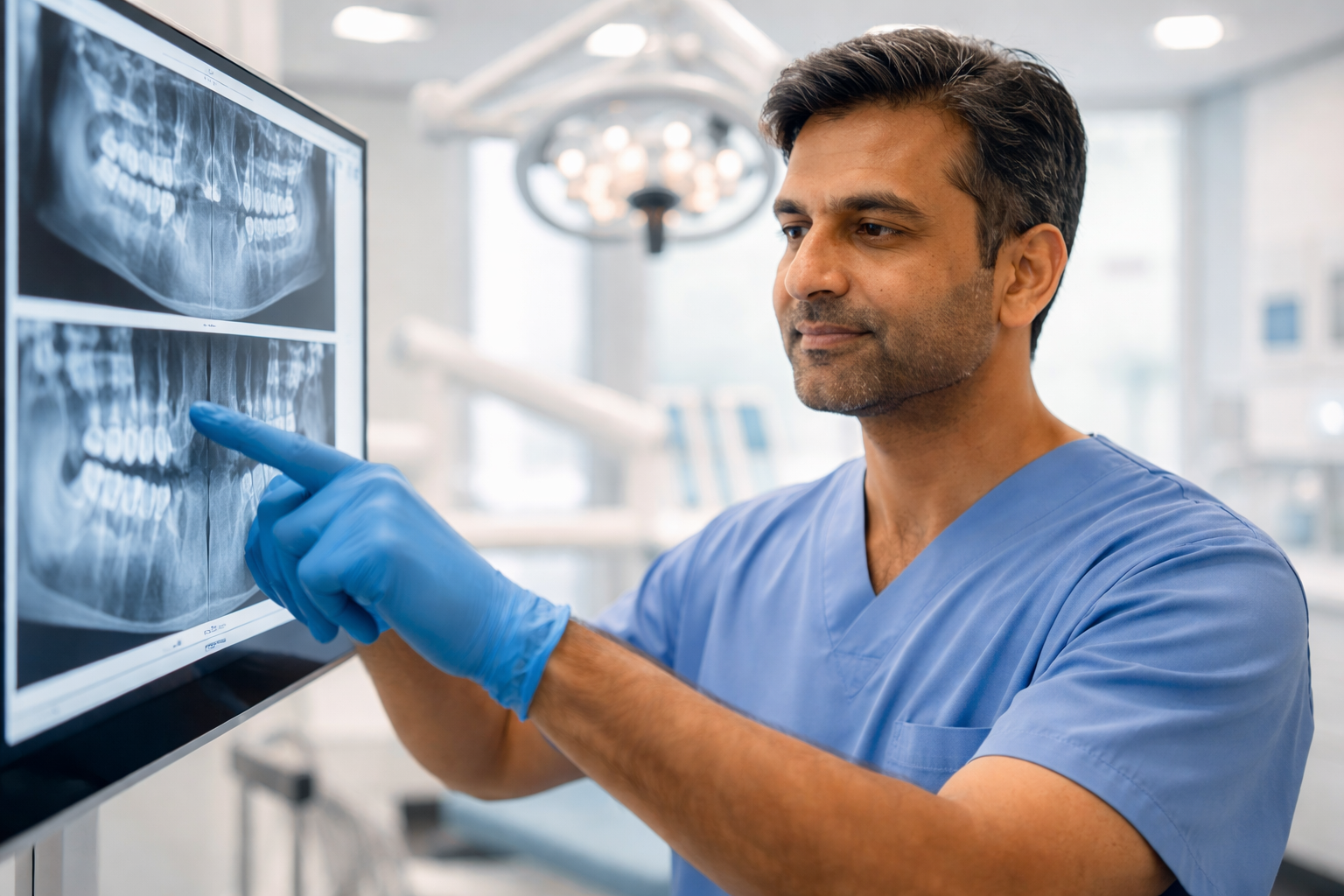
For many international doctors and dentists, the Hospitation (clinical observer ship) is the unofficial “first step” of their German career. A Hospitation is a training period where the graduate observes daily operations in a German hospital department without a medical license.
Why Hospitation is a Strategic Priority
While legally the doctor is not allowed to touch patients, a Hospitation serves several critical functions:
- Securing a Job Offer: It is essentially an extended interview. Many Chefärzte (chief physicians) use this period to assess the doctor’s communication skills and work ethic before offering a residency contract.
- Mastering the Language: It provides immersion in the “clinical dialect”—the specific way German doctors talk to patients and document cases—which is essential for passing the Fachsprachprüfung.
- Visa Support: A Hospitation invitation from a hospital can be used to apply for a D visa, allowing the doctor to stay in Germany while they finish their language studies and license application.
- Networking: It allows the candidate to build professional references in Germany, which carry more weight in the local system than international references.
A common mistake is treating the Hospitation as a vacation. Successful candidates use this time to practice writing medical reports (Arztbriefe) and actively participate in clinical discussions, ensuring they are seen as competent future colleagues rather than passive observers.
Preparing for the Residency Interview: Professional Expectations and Cultural Nuance
In Germany, there is no centralized “matching” system. Residents apply directly to individual hospitals, much like any other job. This makes the residency interview a high-stakes encounter where cultural fit and professional clarity are as important as clinical knowledge.
Key Interview Themes and Cultural Nuances
Interviewer objectives are to assess the candidate’s motivation, stability, and language proficiency.
| Common Question Topic | Underlying Intent | Strategic Response Tip |
| “Why Germany?” | Assessing long-term commitment and stability. | Focus on structured training and clinical standards, not just salary. |
| “Why this specialty?” | Evaluating interest and relevant experience. | Link it to previous rotations, thesis work, or clinical cases. |
| “Why this hospital?” | Assessing if you researched their department. | Mention their specific focus (e.g., “I admire your stroke unit’s work”). |
| “Gap in CV?” | Checking for professional continuity. | Be honest; explain it through language study or clinical work. |
| “Weaknesses?” | Assessing self-awareness and honesty. | Choose a professional trait you are actively improving (e.g., medical German). |
Culturally, German interviews value punctuality, modesty, and directness. Candidates should dress in business formal attire and be prepared to discuss their Logbuch goals and where they see themselves in 5 to 10 years.
Common Pitfalls and Strategic Mitigation for International Applicants
The complexity of the German system leads many applicants to make avoidable errors that can delay their career by a year or more. Identifying these pitfalls early is essential for a smooth transition.
Frequent Mistakes and Solutions
- Incomplete Documentation: Submitting certificates without proper court-sworn translations or apostilles can lead to months of delay. Applicants must ensure every transcript and degree is certified according to the specific state’s checklist.
- Misunderstanding Language Levels: Assuming B2 is “enough” for clinical work is a major error. While B2 is the legal minimum for some paperwork, the Fachsprachprüfung is a C1-level clinical exam. Mastery of nuances in Psychiatry or Pediatrics is impossible without reaching a functional C1 level.
- Applying Only to Cities: Many applicants focus exclusively on Berlin, Munich, or Hamburg. These cities have the highest competition and the slowest bureaucracy. Starting in a rural or district hospital (Kreiskrankenhaus) provides faster licensing, better hands-on training, and a lower cost of living.
- Neglecting the 2025 Hospital Reform: The reform will concentrate certain procedures in larger centers. Residents should ensure their chosen hospital is accredited for the full duration of their training to avoid needing to transfer mid-residency.
The 2025 Hospital Reform and Future Outlook of German Healthcare
As of 2025, the German healthcare sector is undergoing the most significant structural reform in decades. The Krankenhausreform aims to improve the quality of care by shifting funding from a per-case basis to a “readiness” basis, where hospitals are paid to maintain specific standards and expertise.
Impact on Resident Training
The reform introduces “Service Groups” (Leistungsgruppen), which mandate specific equipment and staffing levels for certain treatments.
- Specialization Concentration: Complex treatments will be concentrated in units with high expertise. This means residents will train in better-equipped facilities but may need to be more mobile during their residency.
- Rural Security: Rural hospitals will receive higher subsidies to ensure local access, making them more financially stable and secure places to start a residency.
- Digital Integration: The reform accelerates the use of electronic health records and AI diagnostics, requiring residents to be technically adept from day one.
For the international doctor, this means that pursuing a “best” course now requires looking at which hospitals have been assigned to high-value Leistungsgruppen. This ensures that the residency provides exposure to the latest medical technologies and treatment methods.
Work-Life Balance and Long-Term Career Trajectories
Germany is frequently ranked as one of the best countries for doctors to maintain a balanced life. The European Union Working Time Directive generally limits work to an average of 48 hours per week, and German labor law ensures that overtime is tracked and either paid out or compensated with time off.
Life After Residency
Upon completion of the Facharztausbildung and passing the Facharztprüfung (board exam), several lucrative paths open up:
- Hospital Leadership: Advancing to Oberarzt (Senior Physician) or Chefarzt (Chief Physician) roles involves managing departments and earning €150,000 to €300,000+ per year.
- Private Practice (Niederlassung): Many specialists choose to leave the hospital to open their own clinic. This offers the highest autonomy and financial reward, with some specialties like Radiology or Cardiology earning significantly more in the private sector.
- Research and Academia: University hospitals offer the Habilitation pathway for those who wish to become professors and lead scientific advancements.
The social benefits in Germany—including 30 days of annual leave, robust parental leave, and child compensation (Kindergeld)—ensure that a career in medicine or dentistry is not just a high-income profession, but a foundation for a high-quality lifestyle for the entire family.
Conclusion
Choosing the “best” medical or dental PG course in Germany requires a synthesis of clinical interest, geographic strategy, and economic reality—a question this guide has addressed from every angle: Which PG course is best in Germany, Medical PG or Dental PG? For those pursuing a Medical PG in Germany, the Internal Medicine and Family Medicine pathways in states like Saxony or Thuringia currently offer the most efficient route to licensure and long-term career stability. For those pursuing a Dental PG in Germany, the Fachzahnarzt residency in Orthodontics or Oral Surgery remains the most prestigious and clinically deep equivalent to an MDS, providing a salaried route to specialist status.
The German healthcare system is actively seeking to fill a 50,000-physician deficit, and the 2025 Hospital Reform is creating new, high-quality training environments across the country. Success in this landscape is predicated on a relentless focus on C1-level language proficiency, a pragmatic approach to state selection, and the proactive use of Hospitationen to build a local professional network. While the regulatory hurdles are significant, the resulting professional standing, financial independence, and high quality of life make Germany one of the premier global destinations for postgraduate medical and dental education. Anyone still weighing the question—Which PG course is best in Germany, Medical PG or Dental PG ?—will find that the answer ultimately comes down to personal specialization goals, language readiness, and the right guidance from the start.
Frequently Asked Questions
1. Is NEET-PG required to pursue a Medical PG in Germany?
No, NEET-PG is not required for Indian medical graduates. Entry into German residency is based on your MBBS degree, your study country medical license, and passing the German-specific language (FSP) and knowledge (KP) exams.
2. How long does the entire process take from starting language classes to beginning residency?
On average, the process takes 18 to 24 months. This includes 6–8 months for language training (B2/C1), 6–10 months for document recognition and exam scheduling (FSP/KP), and 3–6 months for the residency job search and visa processing.
3. Can I bring my family with me while I do my residency?
Yes, doctors in residency are eligible for the EU Blue Card or a professional visa, which facilitates easy family reunification. However, it is generally recommended to obtain your Approbation and secure a stable salary before bringing family members to ensure financial stability.
4. What is the difference between a Specialist Dentist (Fachzahnarzt) and a Master of Science (M.Sc.) in Dentistry?
The Fachzahnarzt is a 3–5-year salaried clinical residency that leads to a state-recognized specialist title required for public health practice. The M.Sc. is a 1.5–3-year academic degree that is fee-based and focuses on specialized skills (like Implantology) but does not confer the same legally protected specialist title.
5. Which state in Germany is the “easiest” for international doctors?
There is no “easy” state, but states like Saxony, Thuringia, and Brandenburg are often “faster” due to lower competition and more efficient bureaucracy. Conversely, states like Bavaria and North Rhine-Westphalia have higher competition and can have longer waiting lists for exams.
Ready to Begin Your Medical or Dental PG Journey in Germany?
The path to a specialist career in Germany is structured, rewarding, and within reach—but only with the right expert guidance. Thousands of international medical and dental graduates have successfully navigated the Approbation process, secured residency positions, and built thriving careers—with MissionGermany, The Education Network by their side.
MissionGermany, The Education Network is a specialized consultancy dedicated exclusively to helping Indian and international medical and dental graduates succeed in Germany. From language coaching and document preparation to state selection strategy, Hospitation placement, and residency interview preparation—every step of your journey is handled by experts who have been through it themselves.
Free one-on-one career assessment call
End-to-end support: language, documents, licensing & job placement
Trusted by 500+ doctors and dentists across Germany
Start Your Germany Journey Today — Contact MissionGermany, The Education Network Now
www.missiongermany.in • WhatsApp: +91- 96155 43210 • info@missiongermany.in